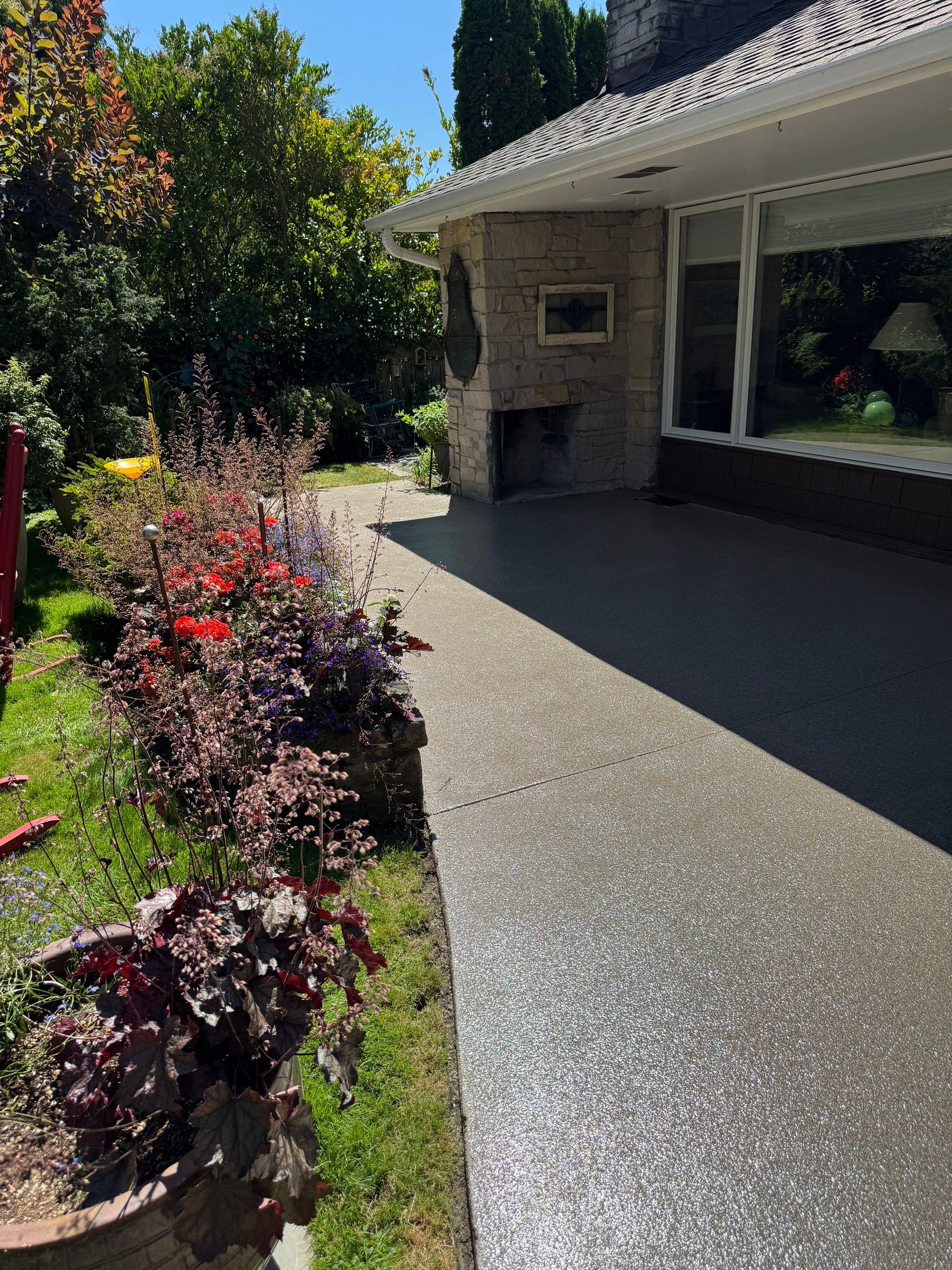
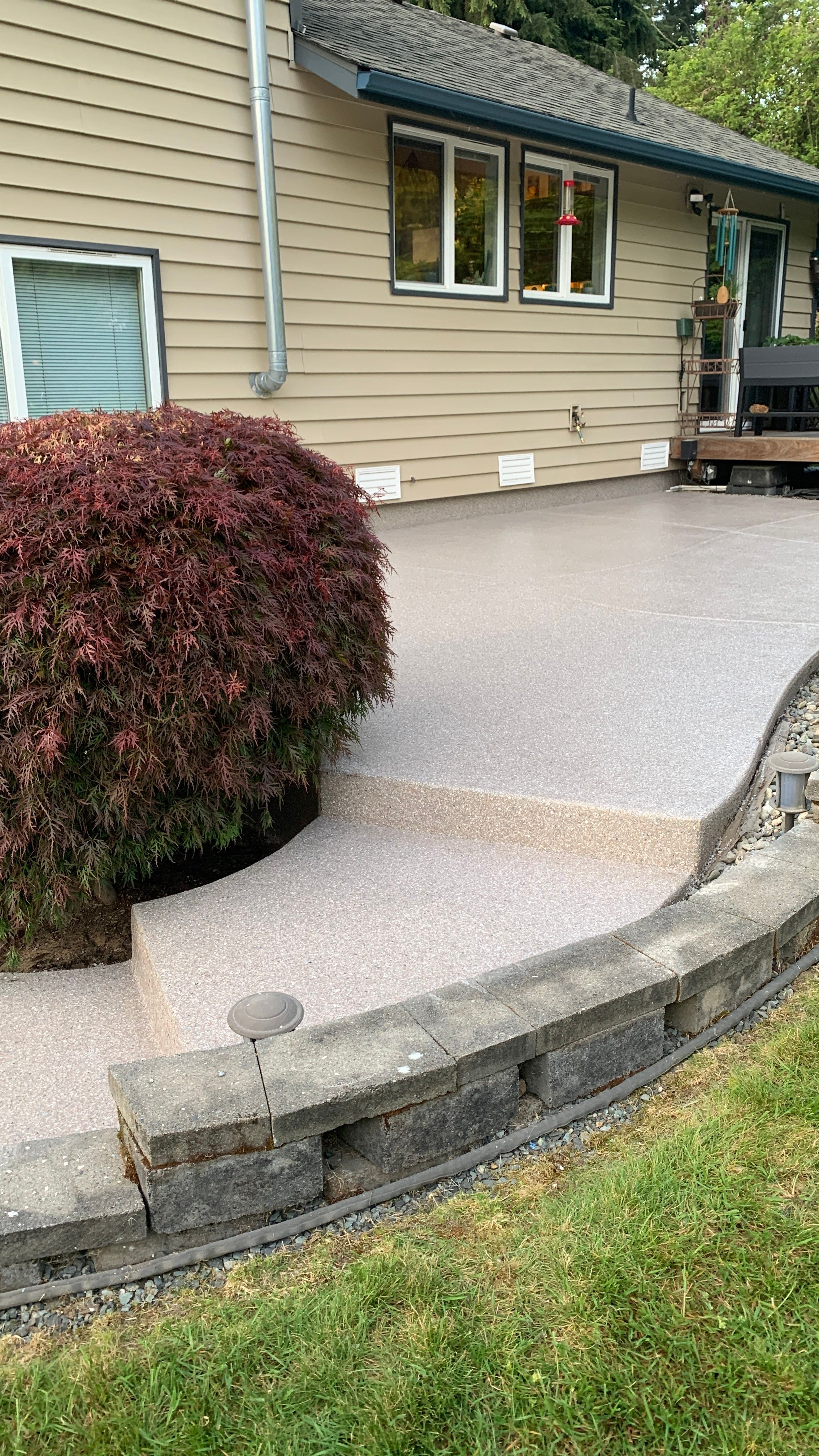
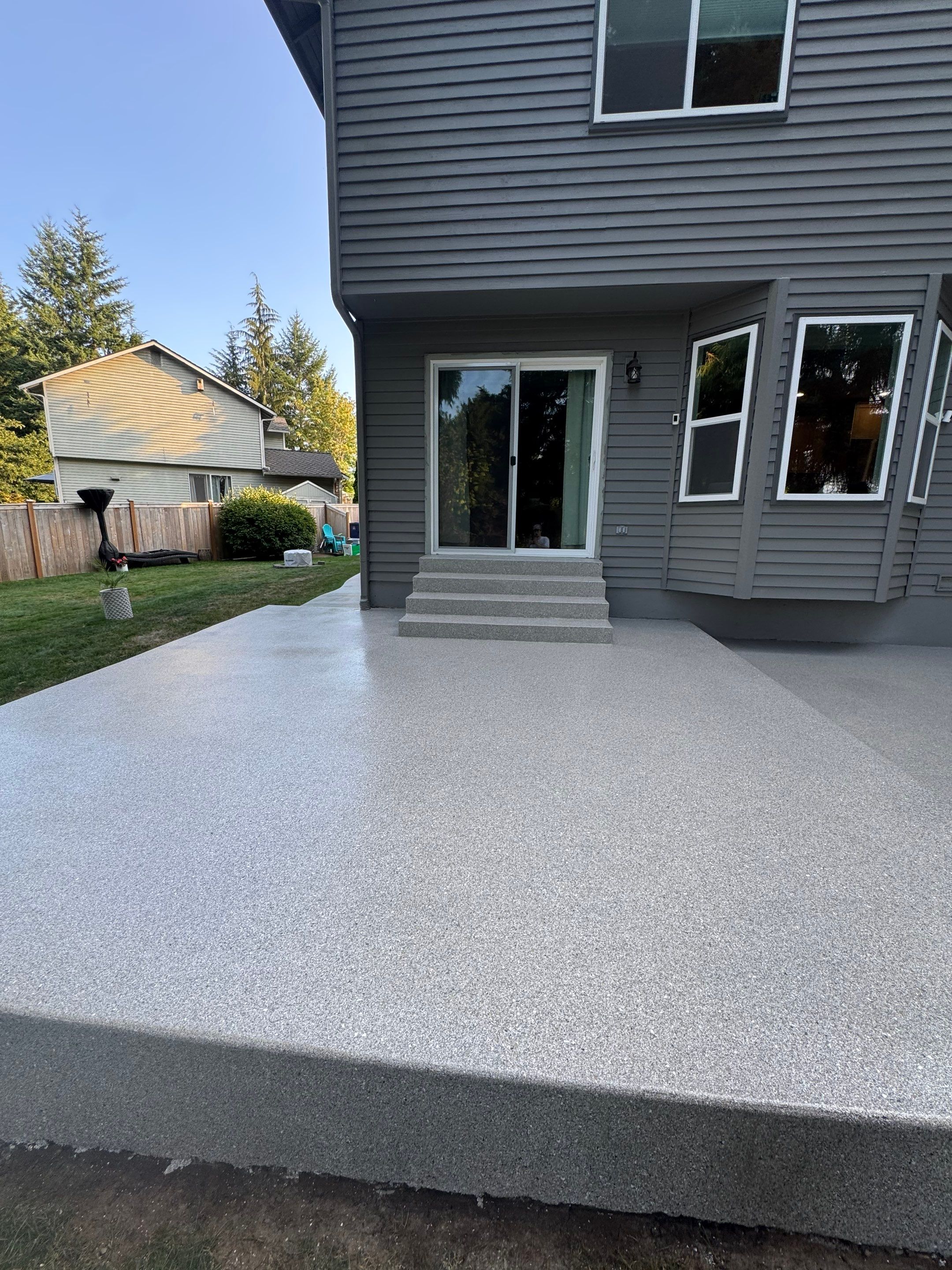
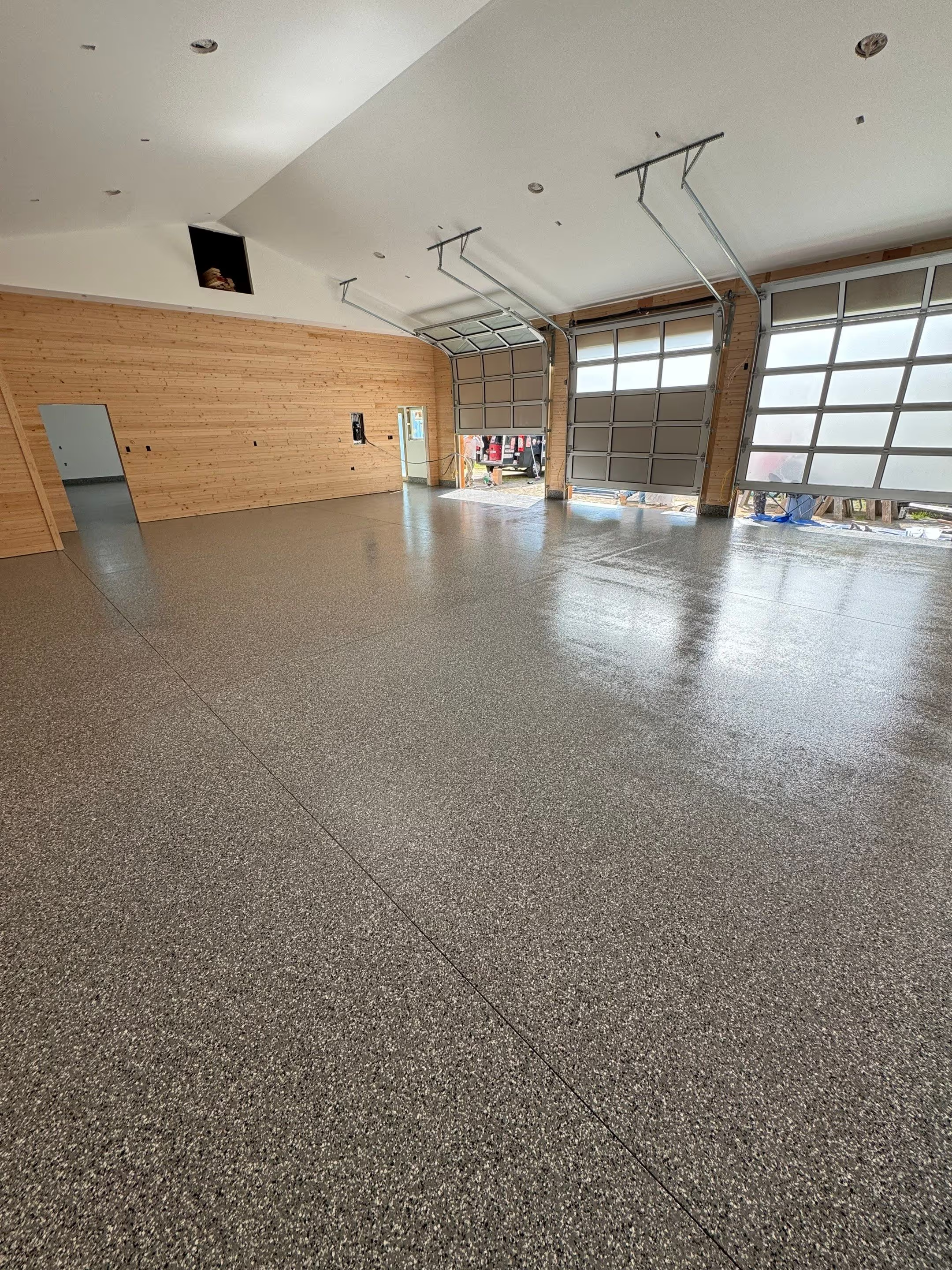
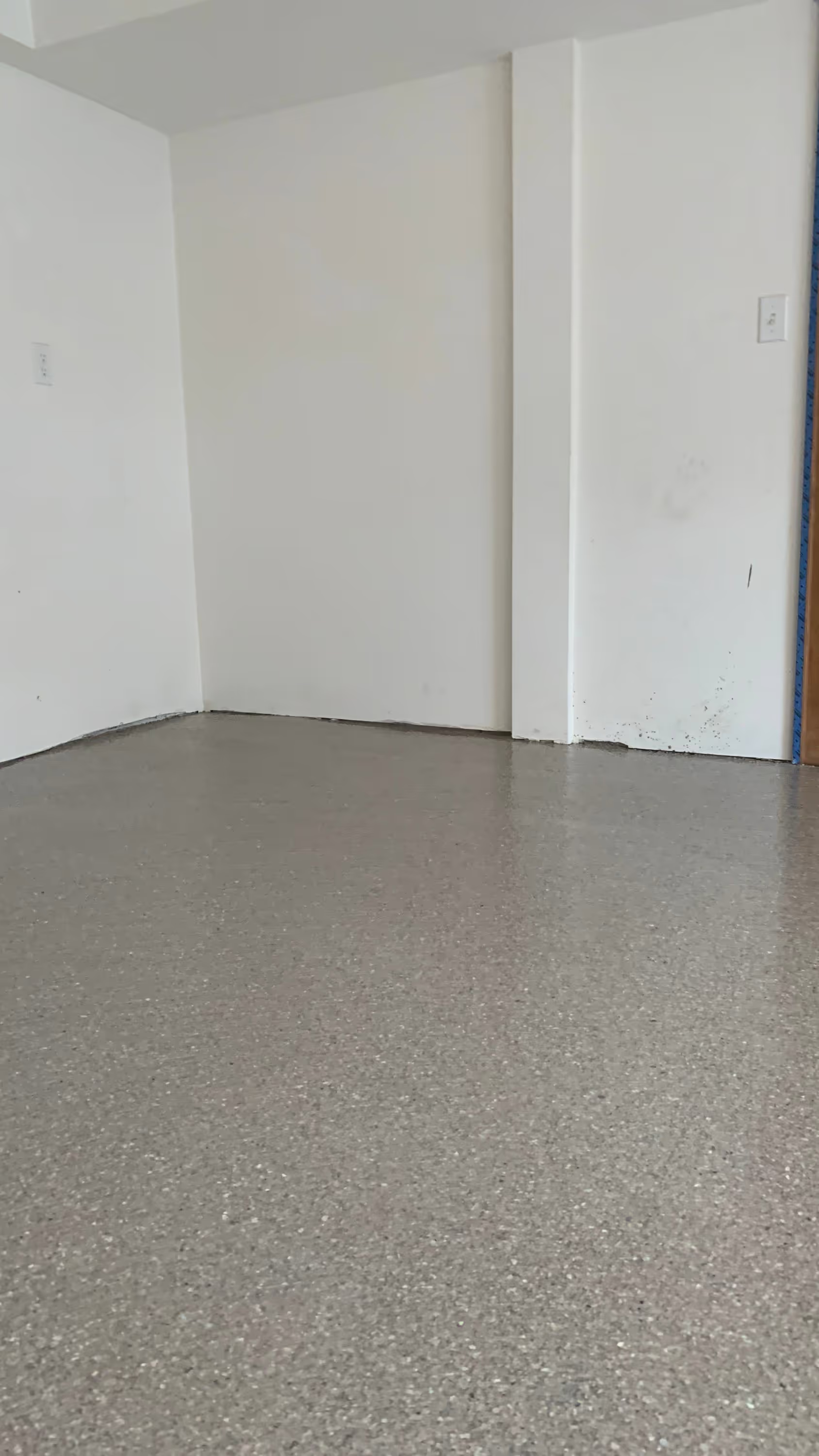
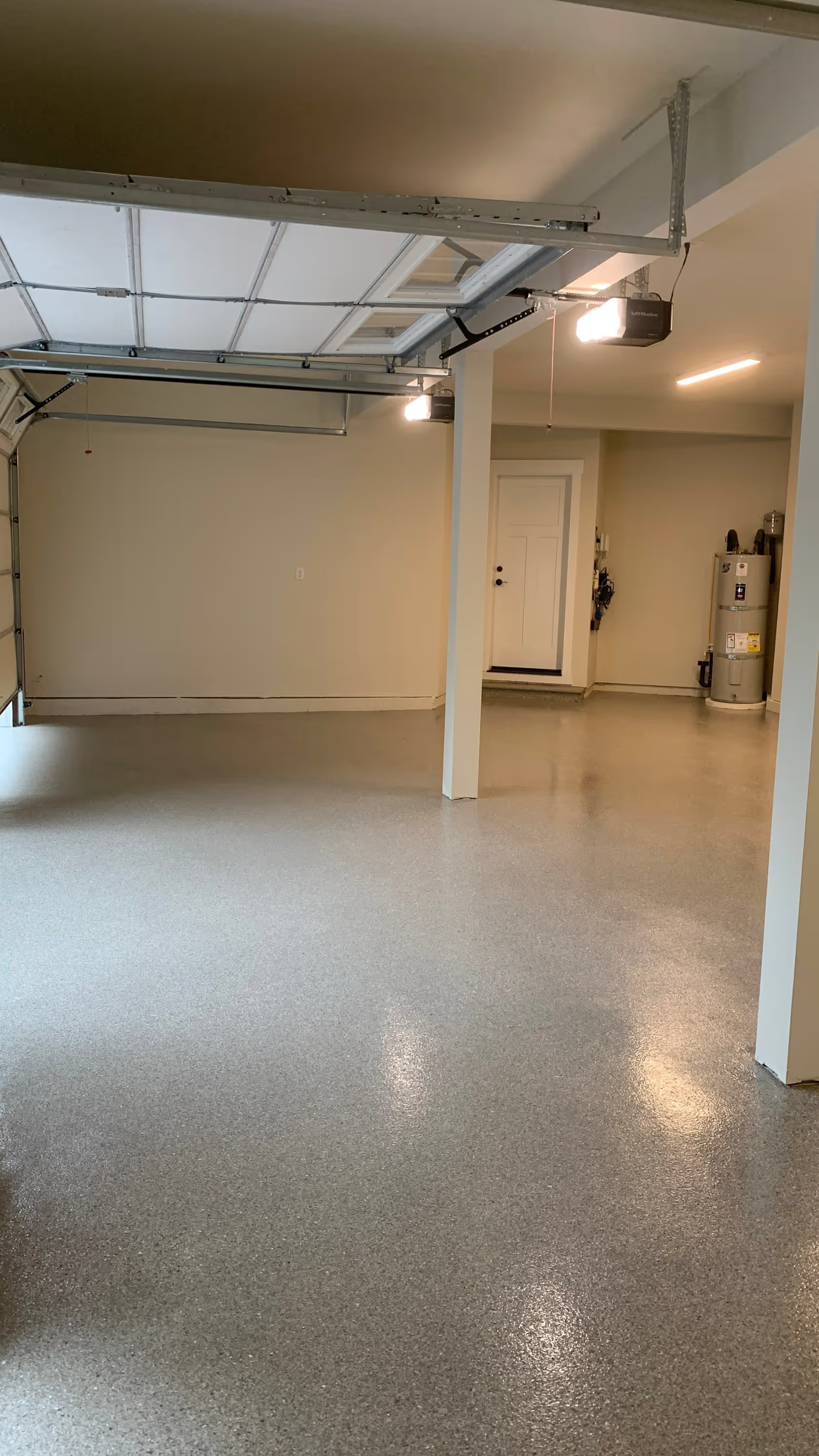
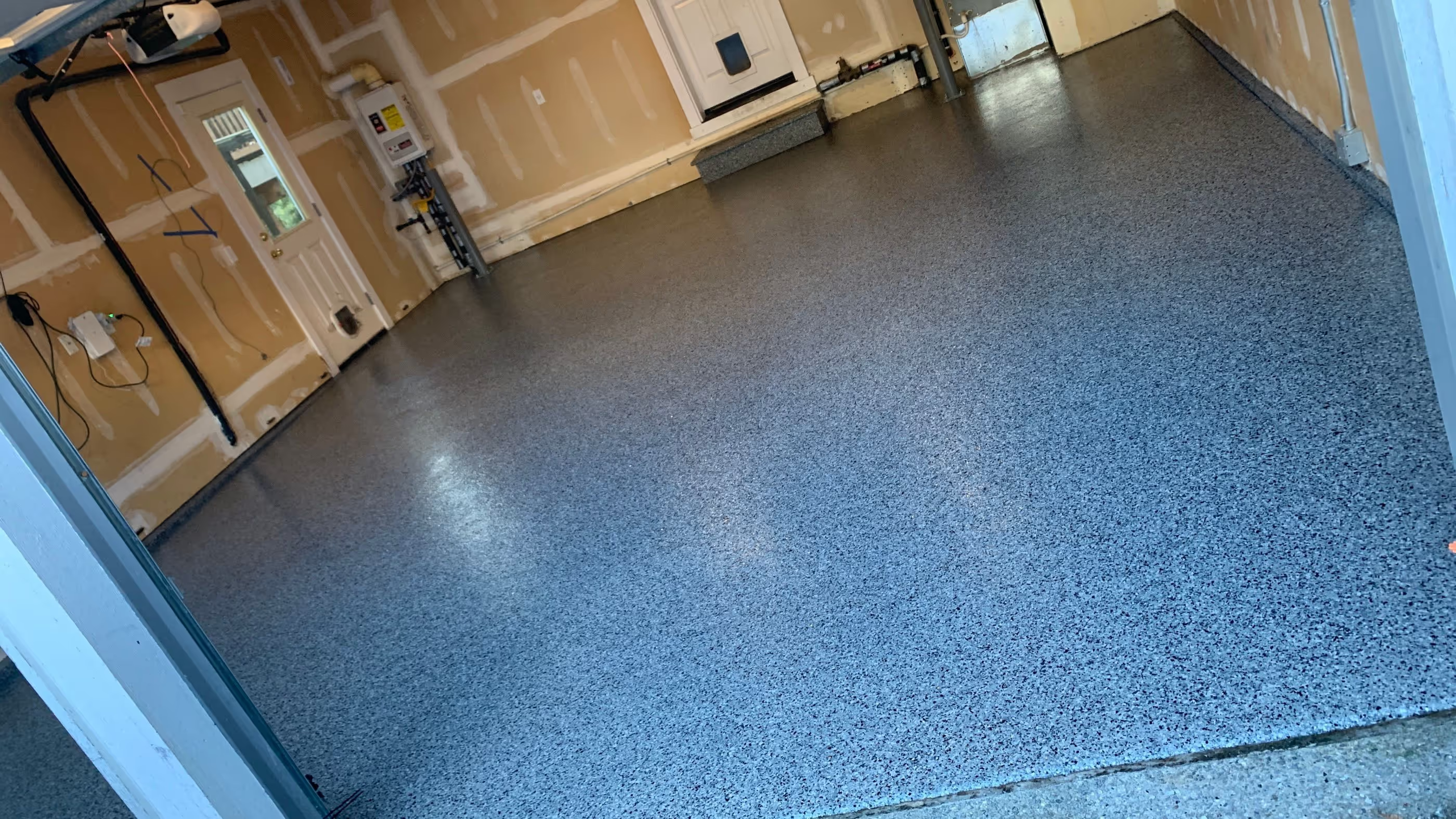
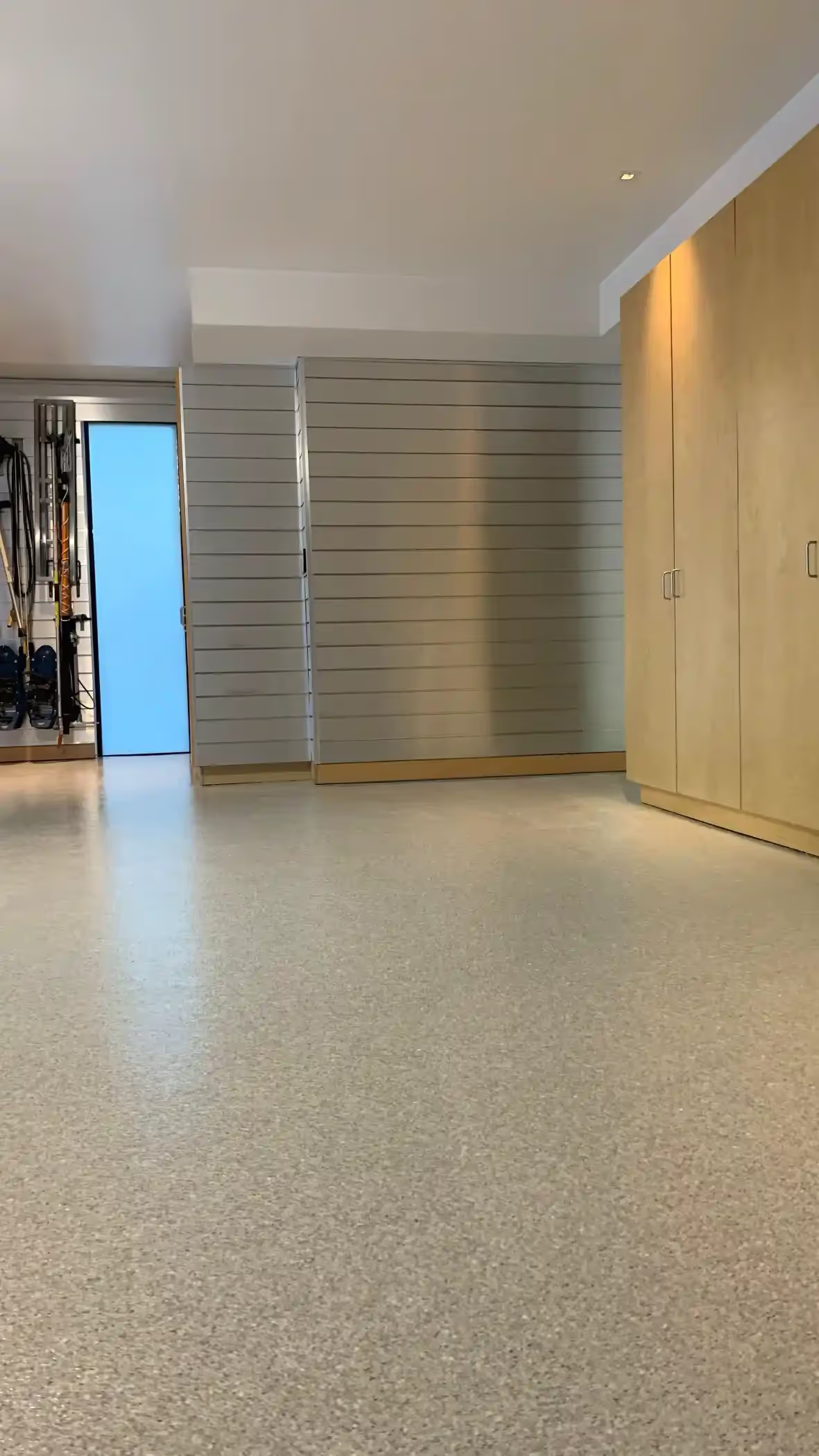
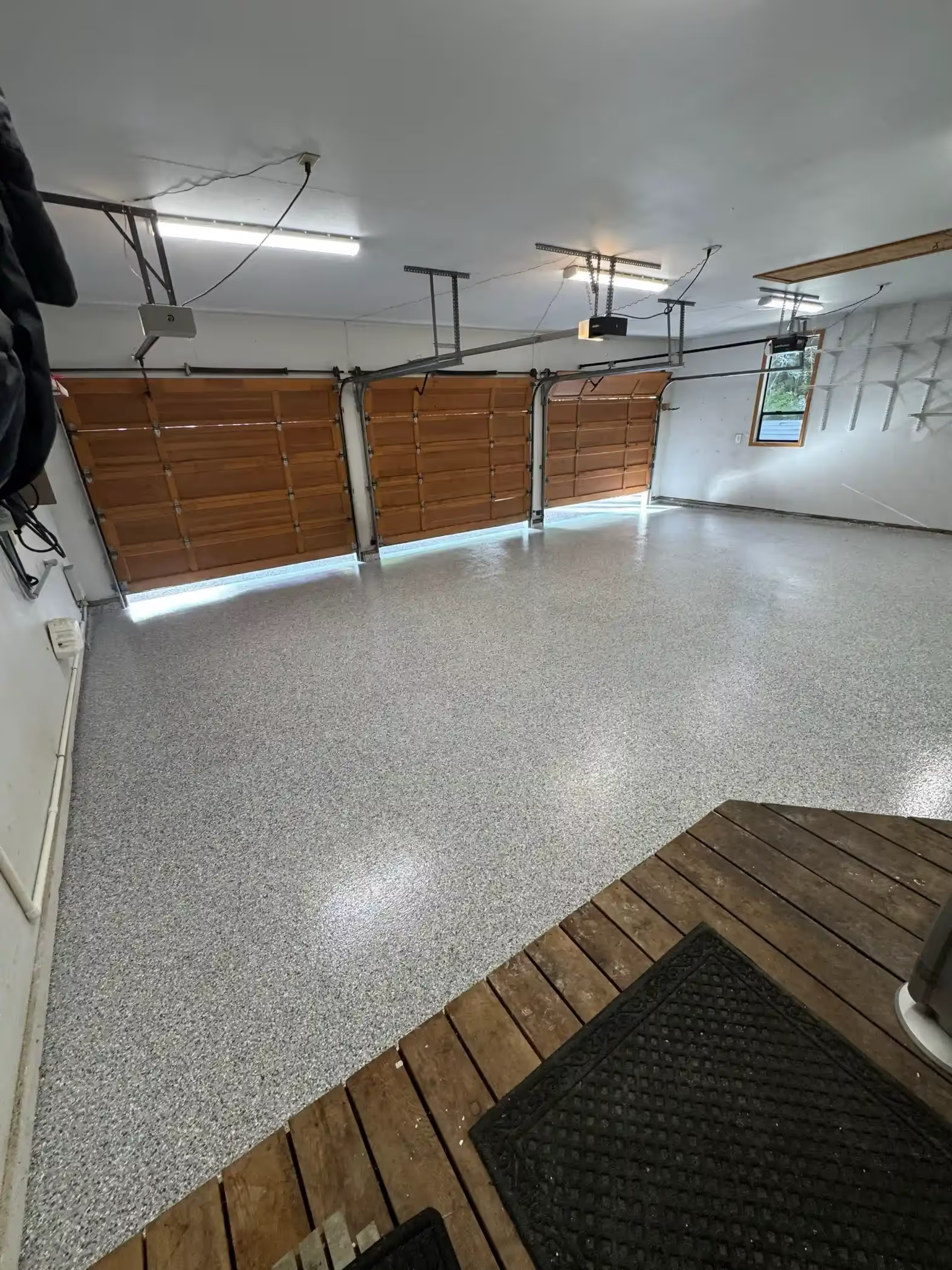
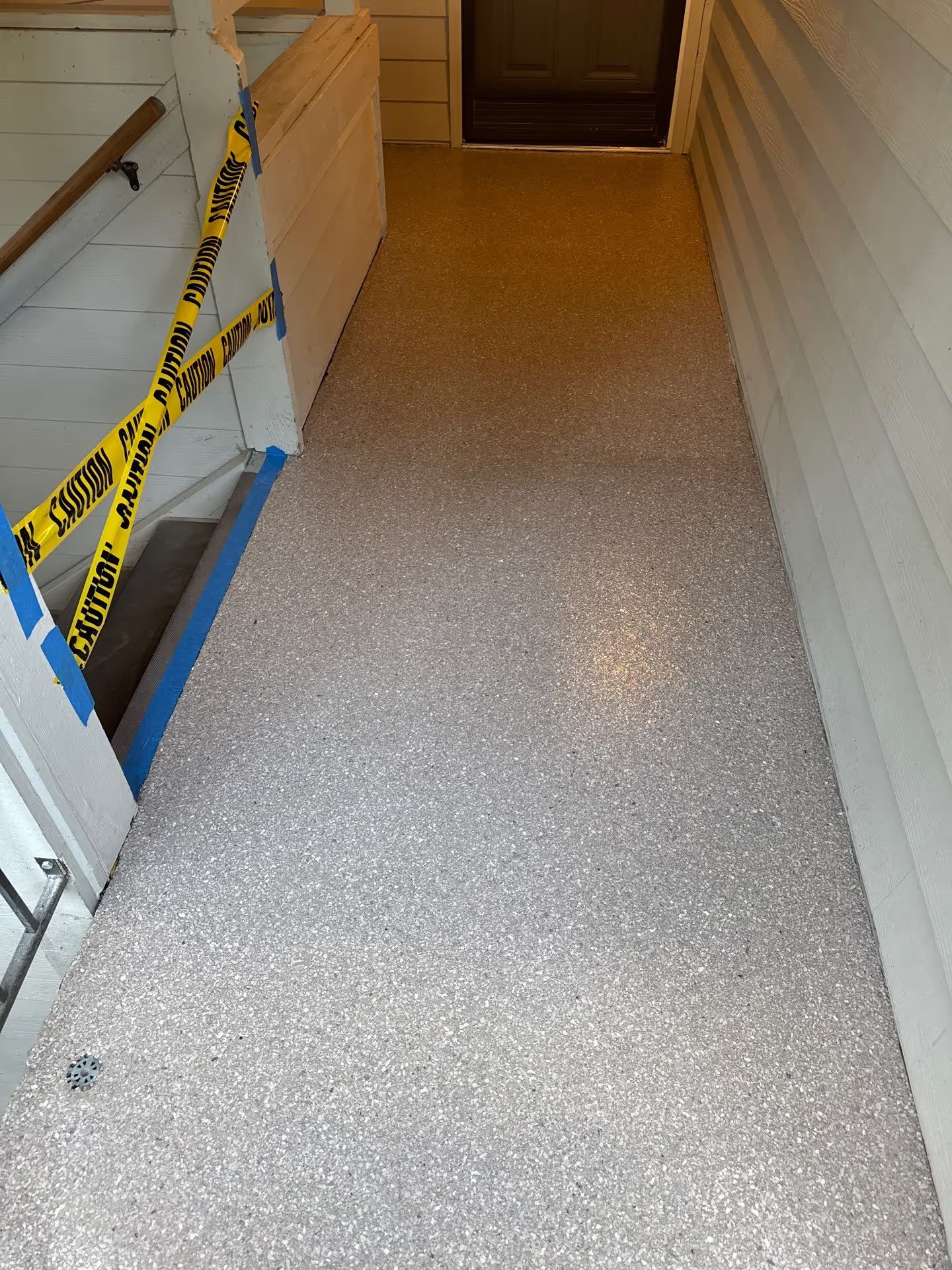
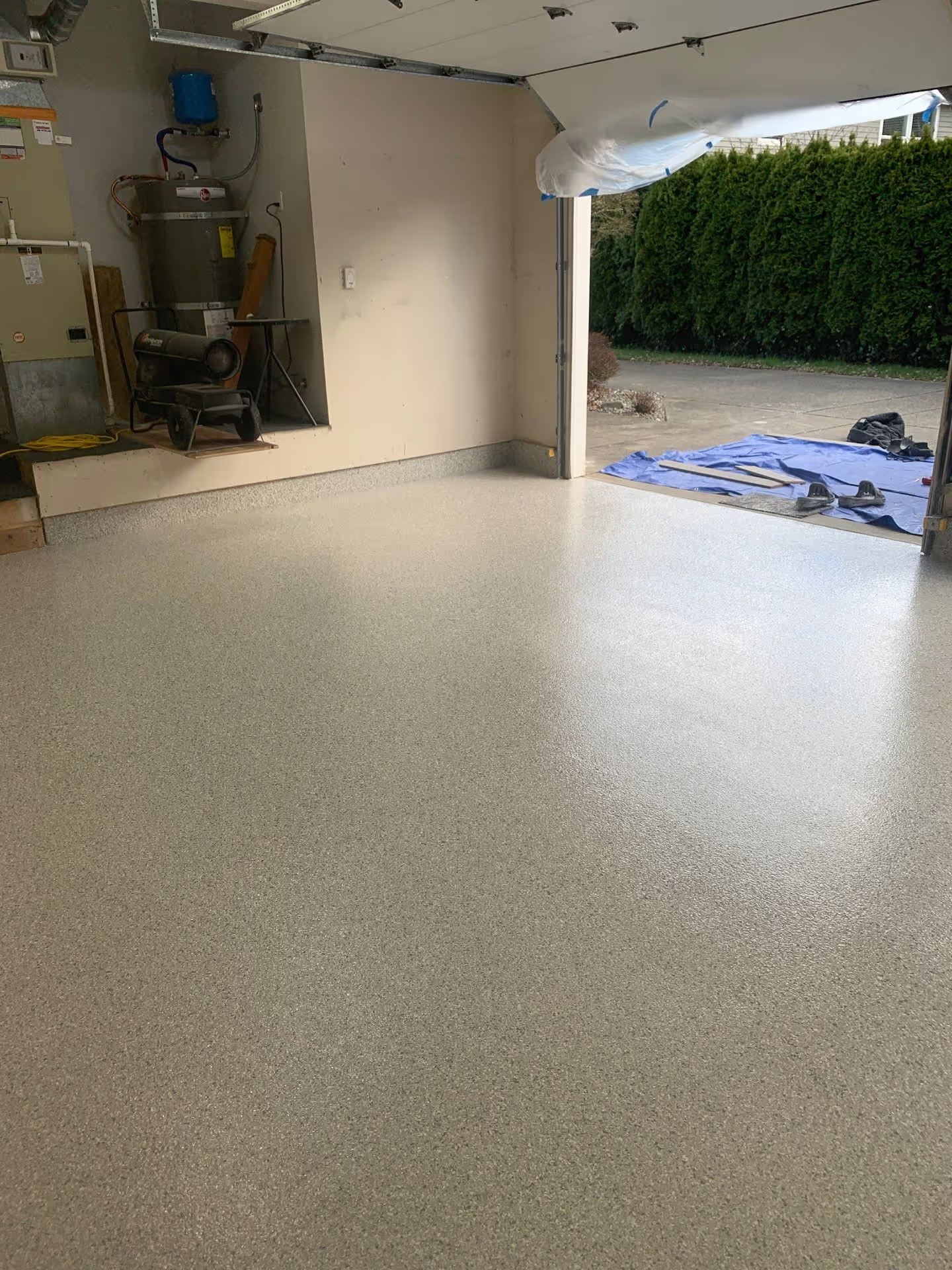
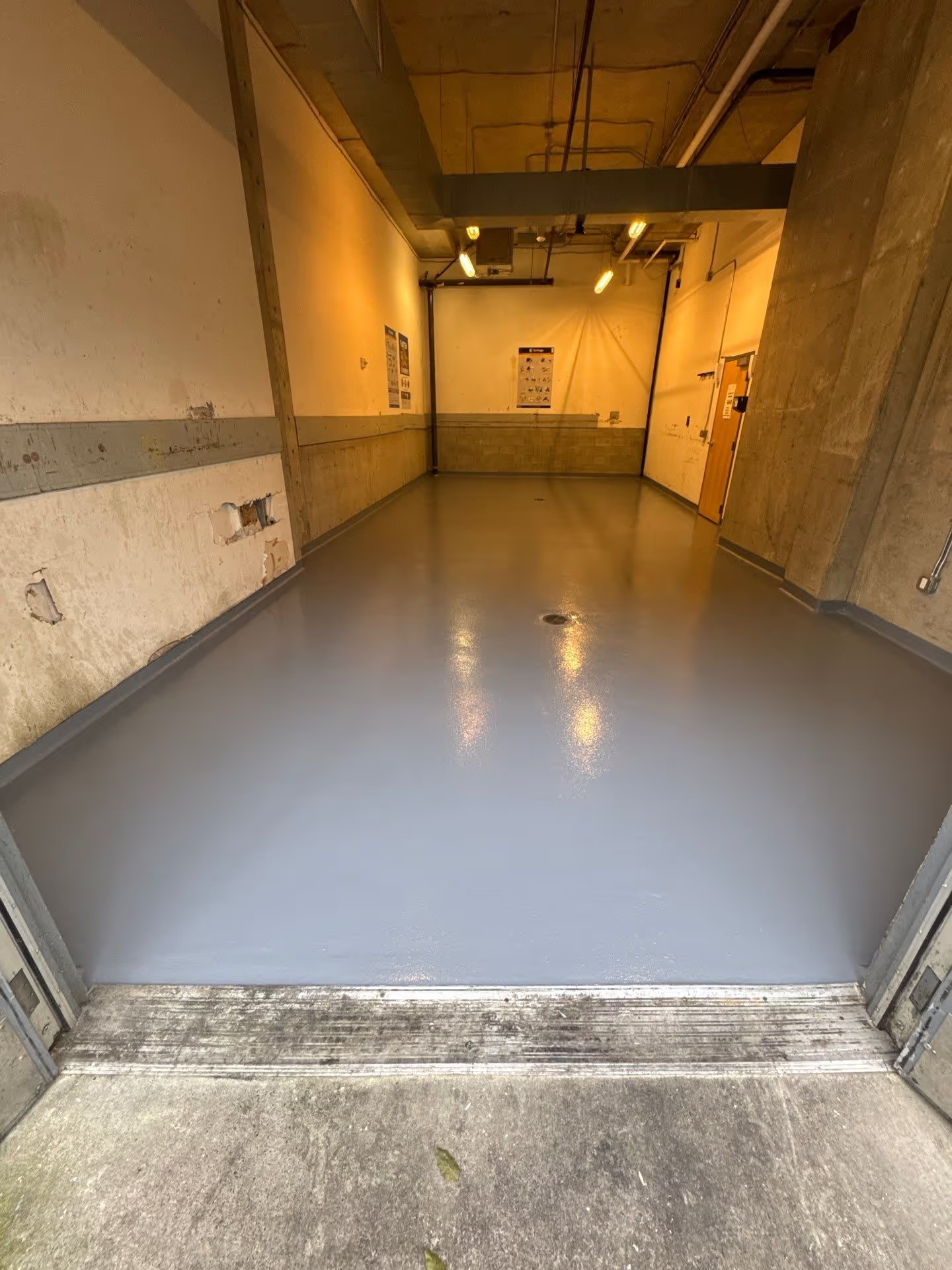
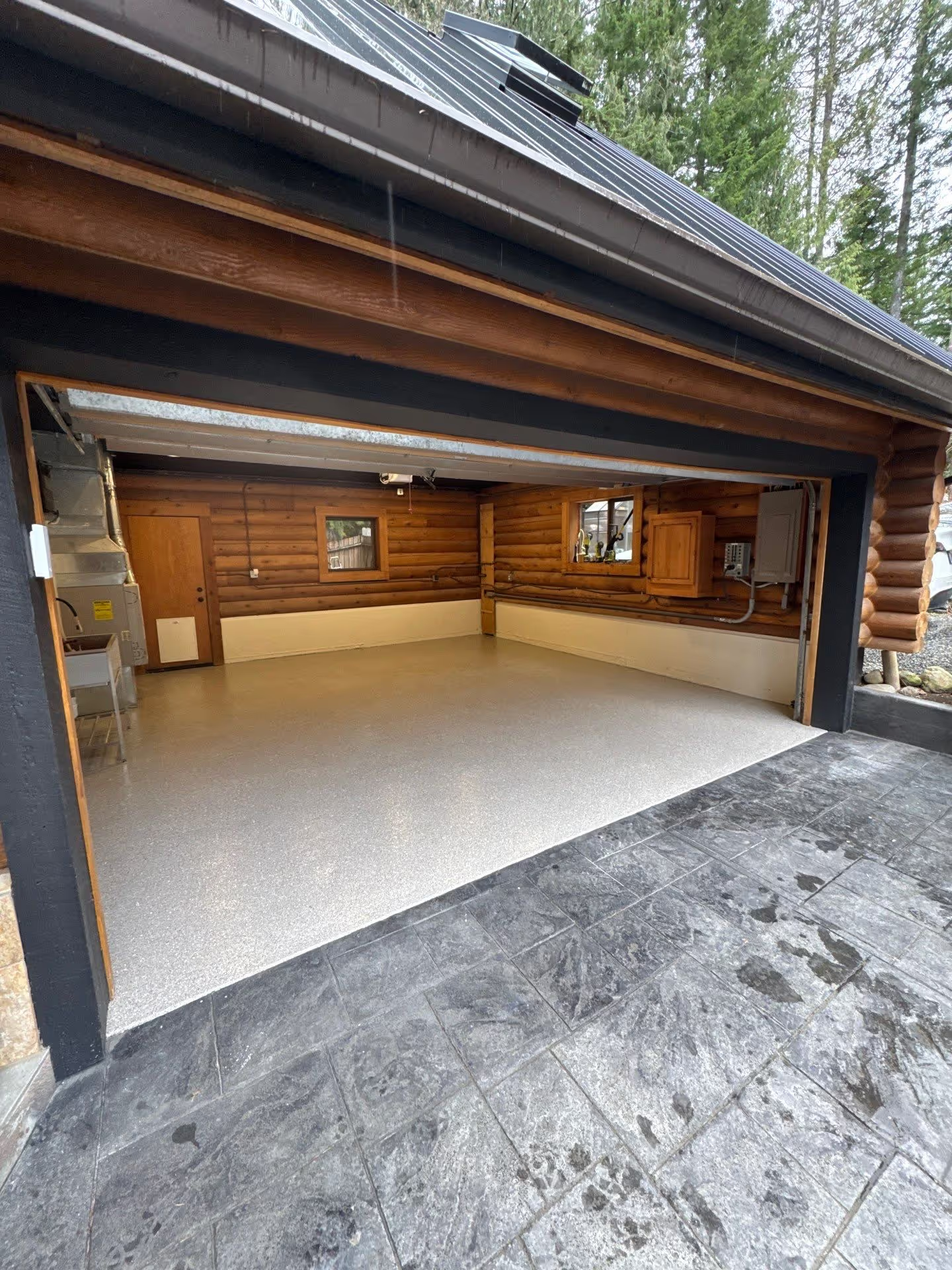
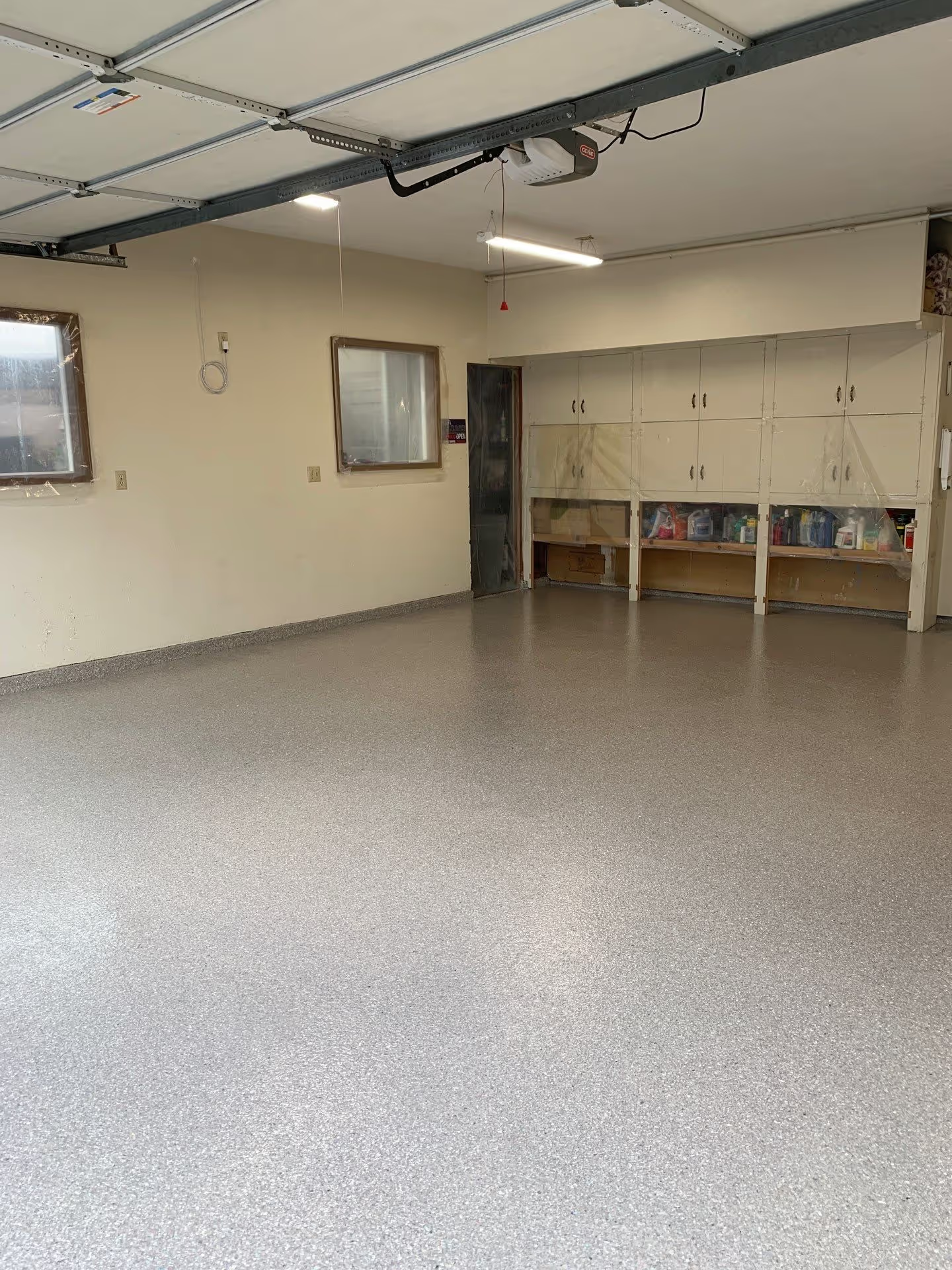
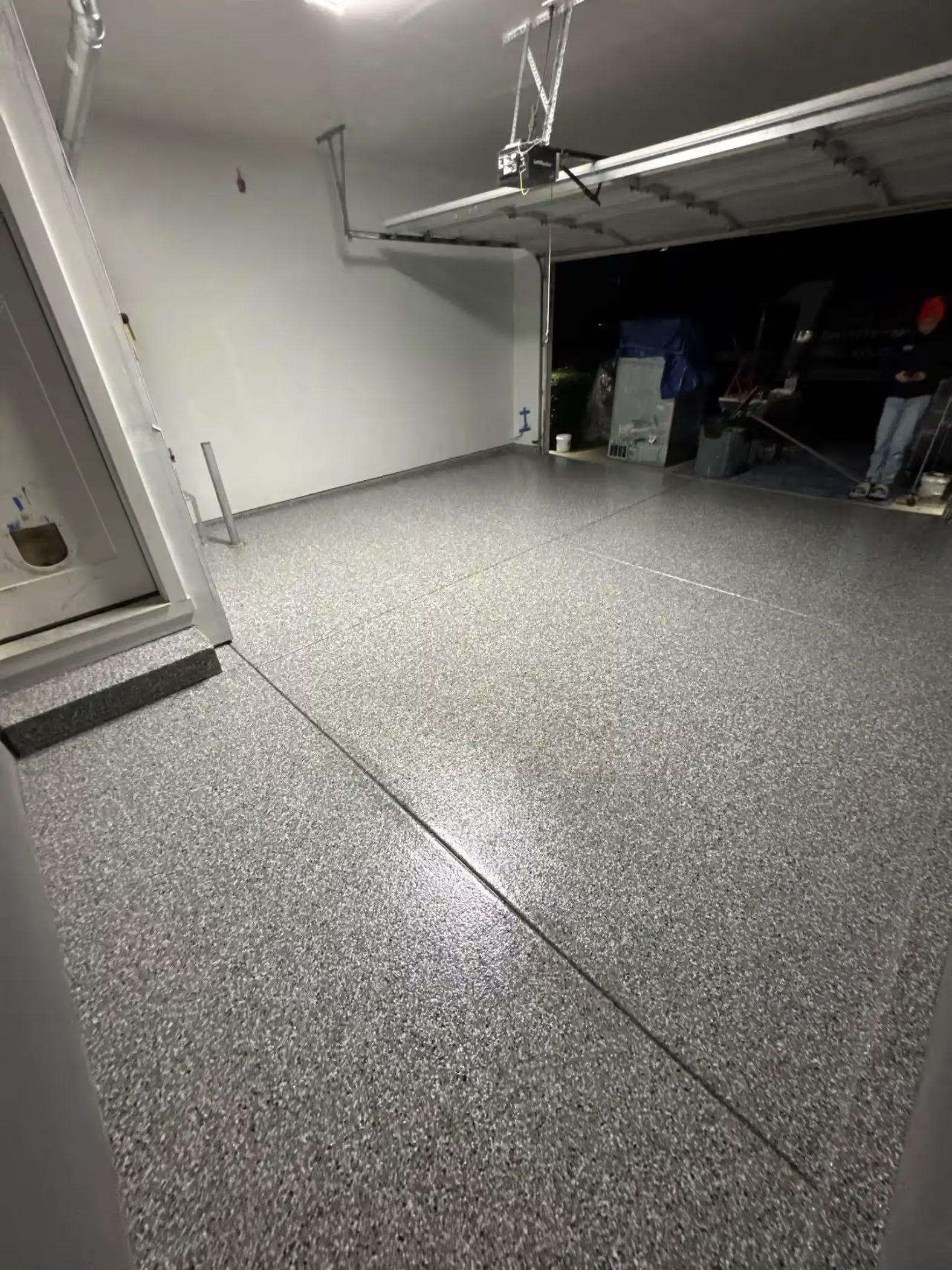
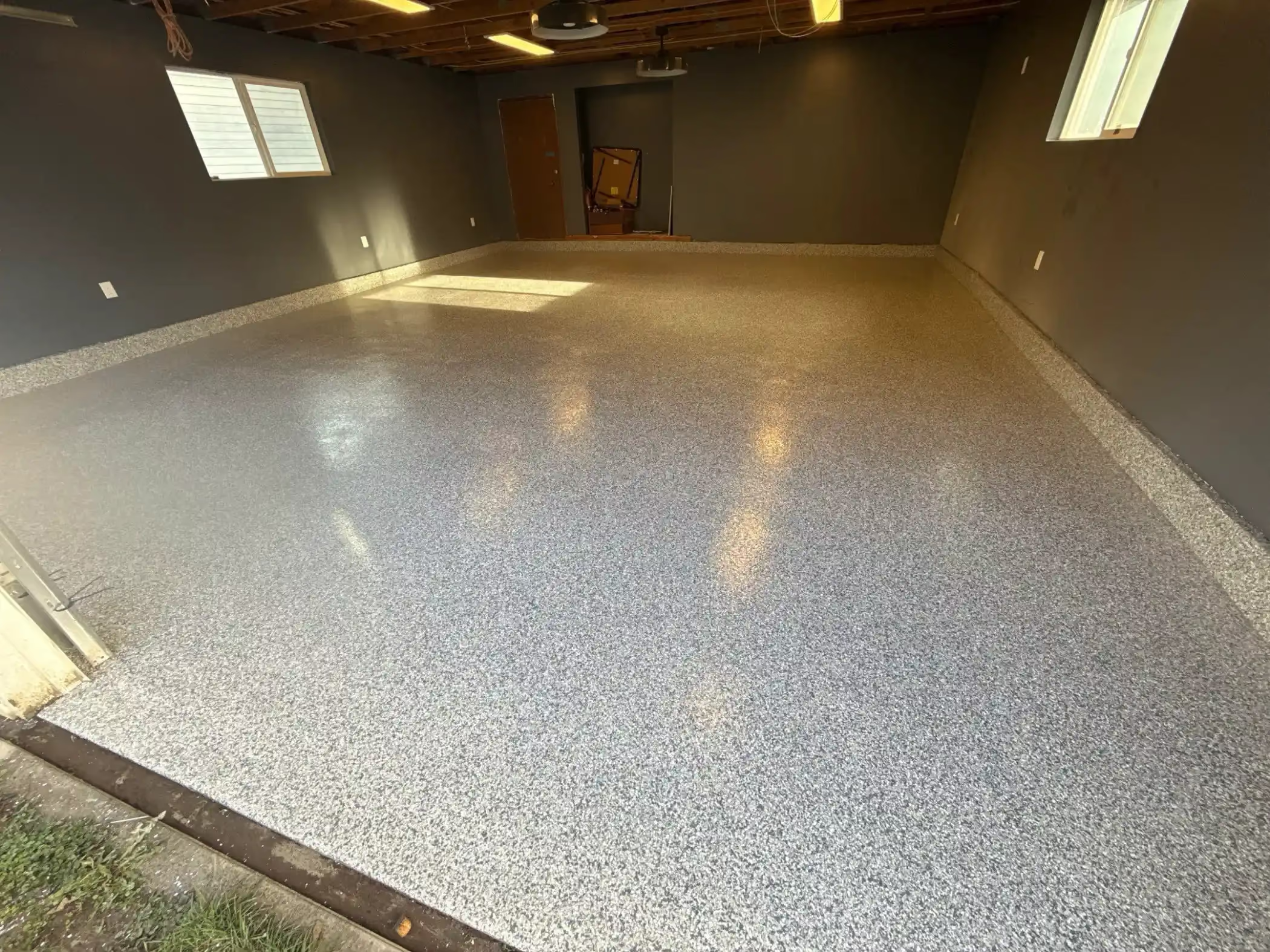
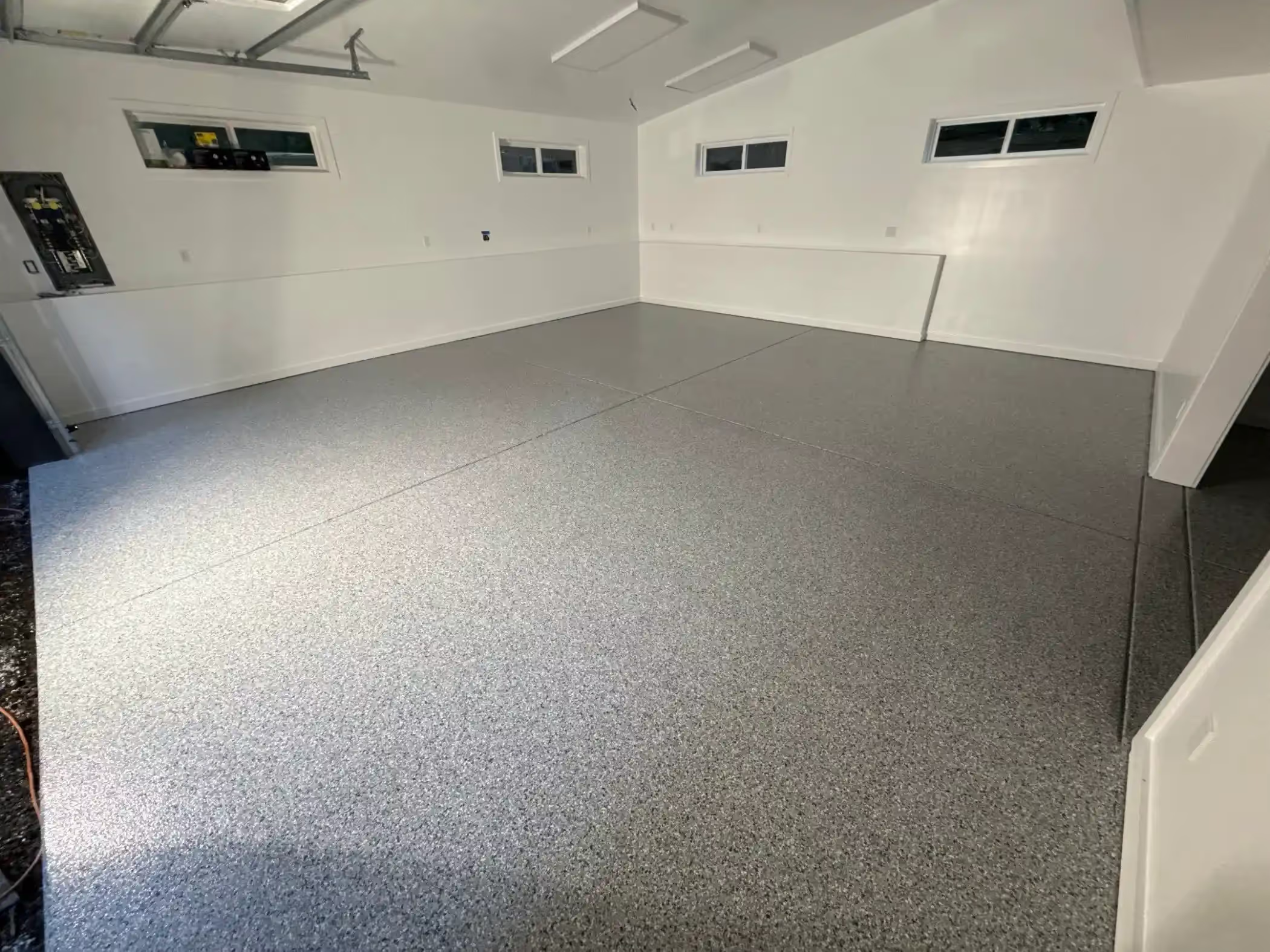
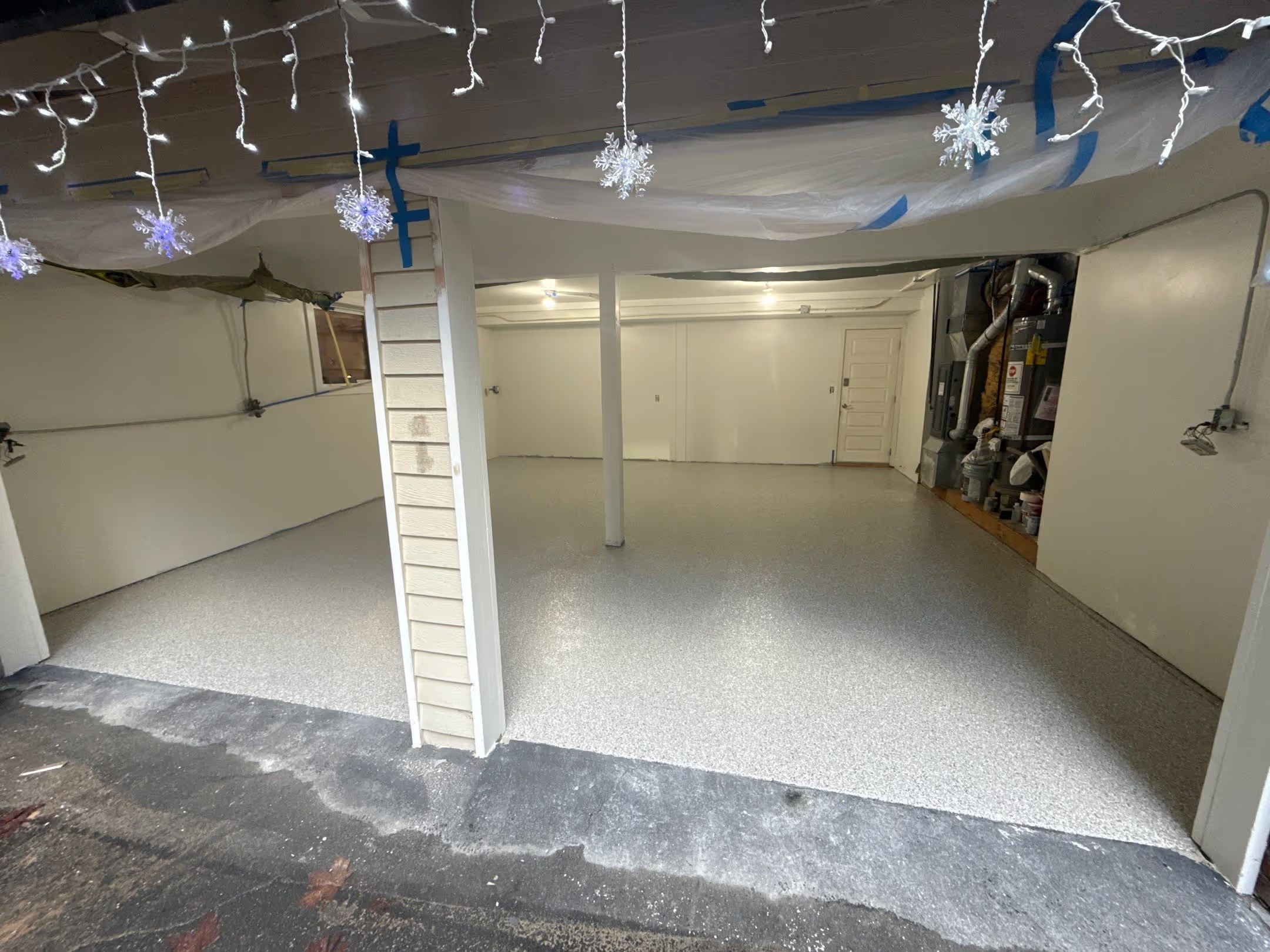
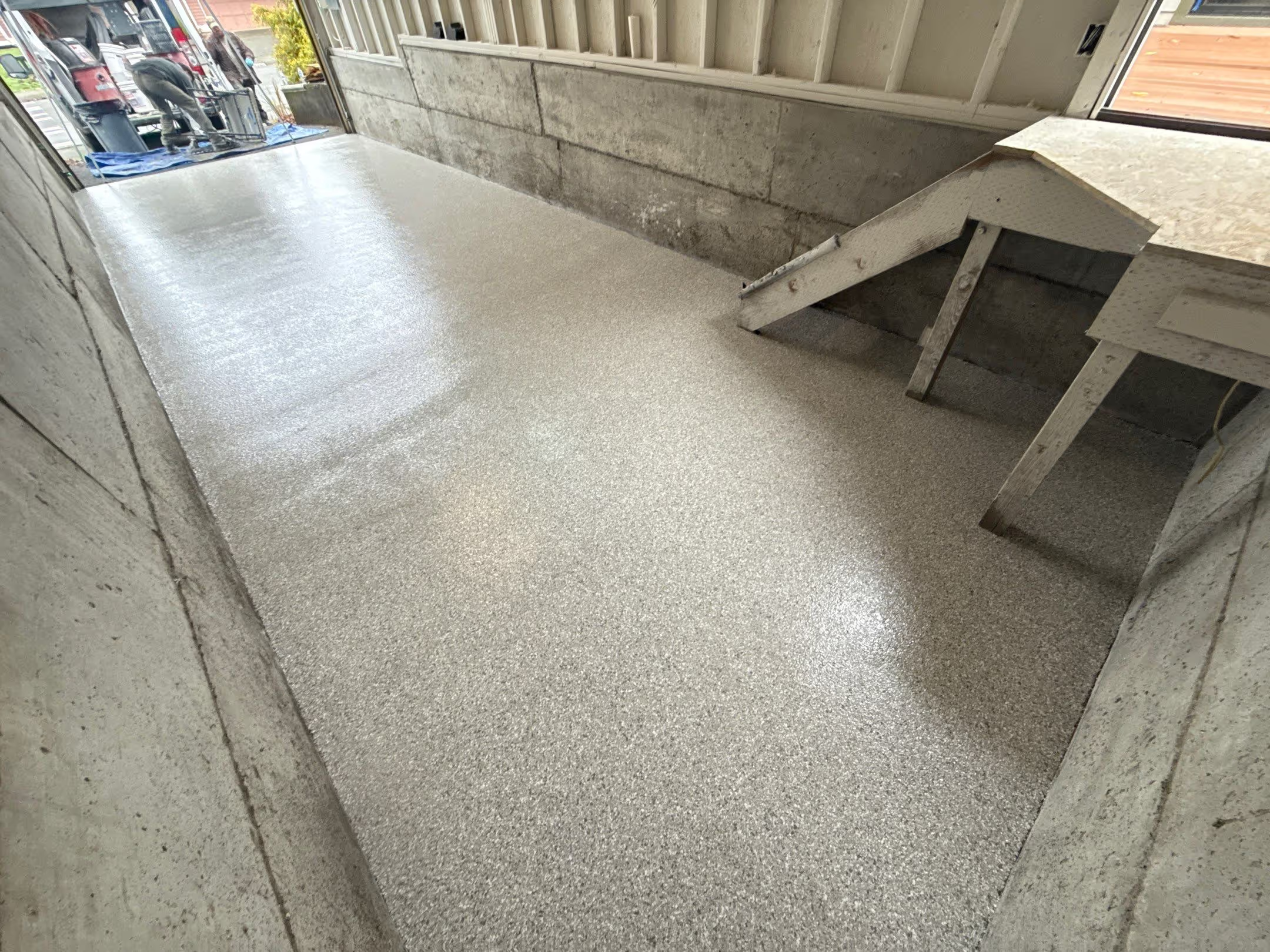
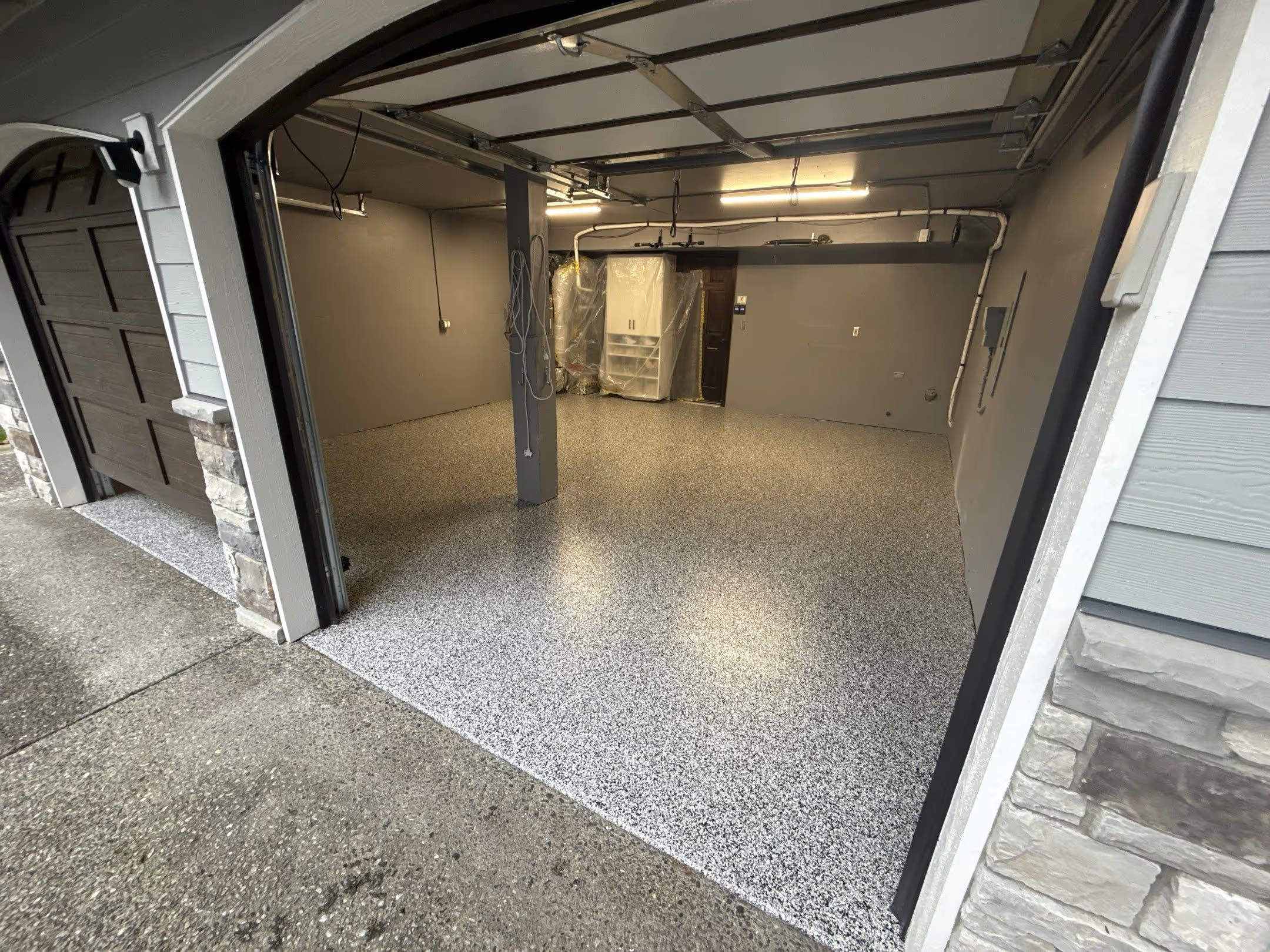
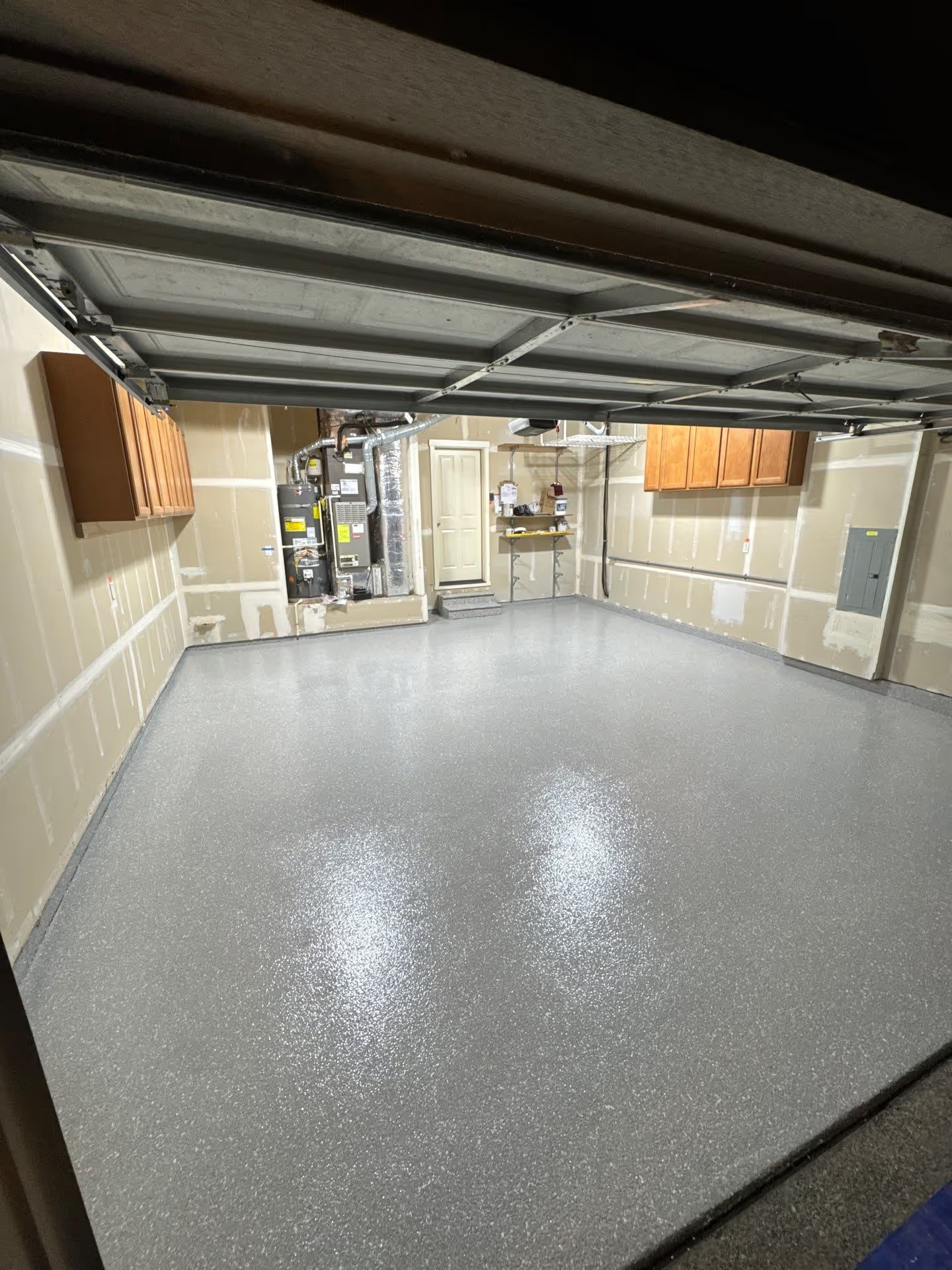
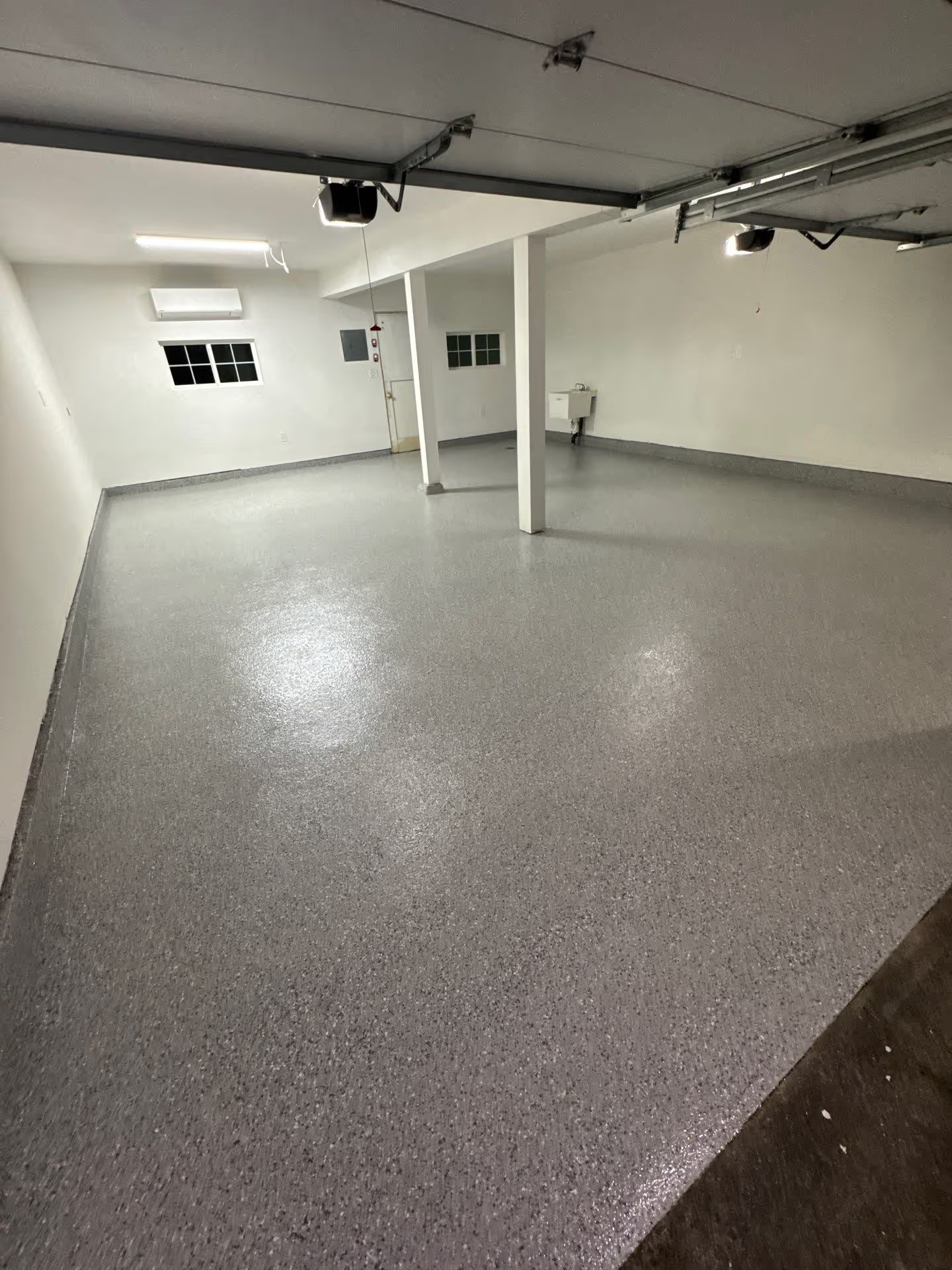
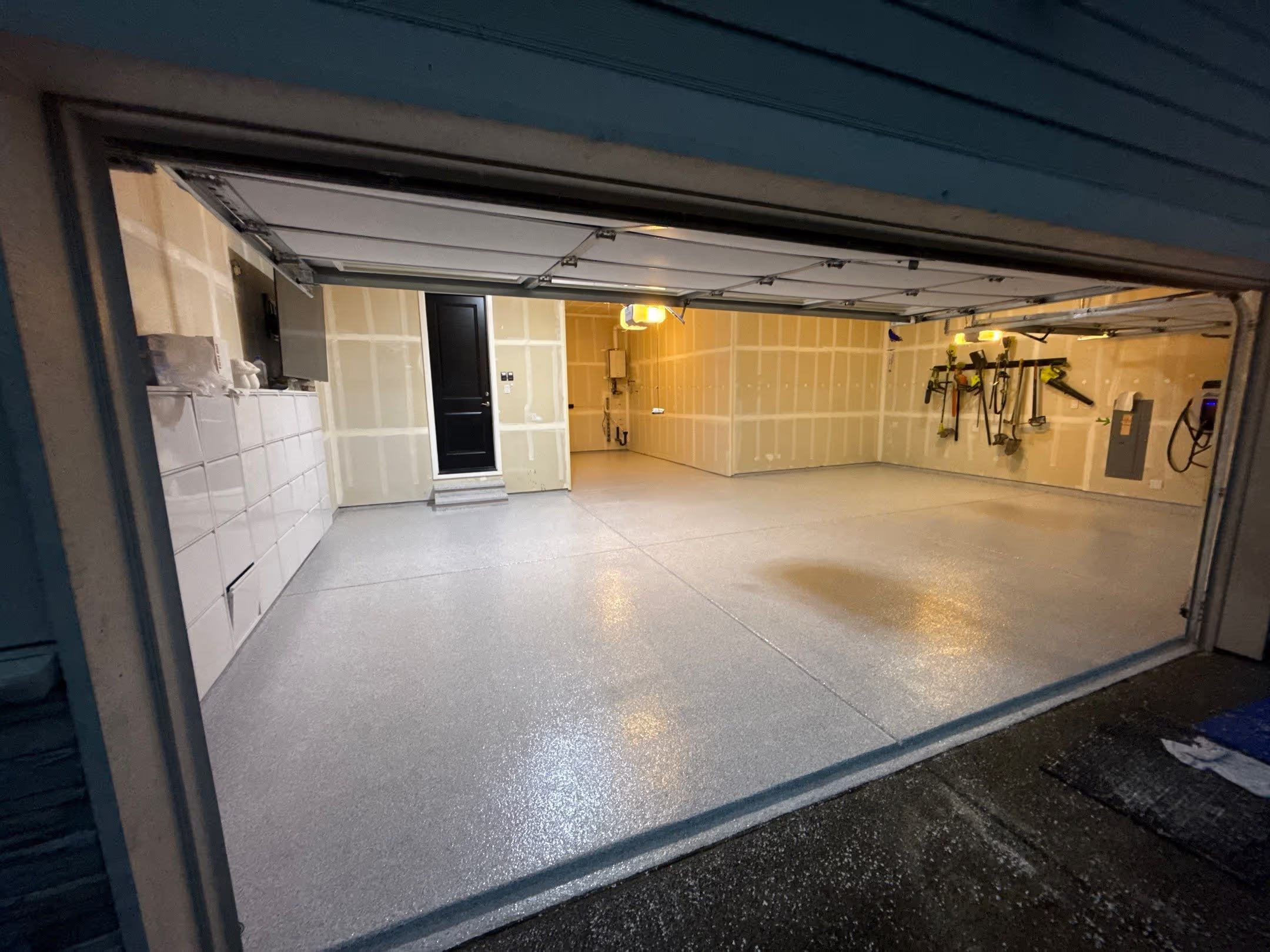
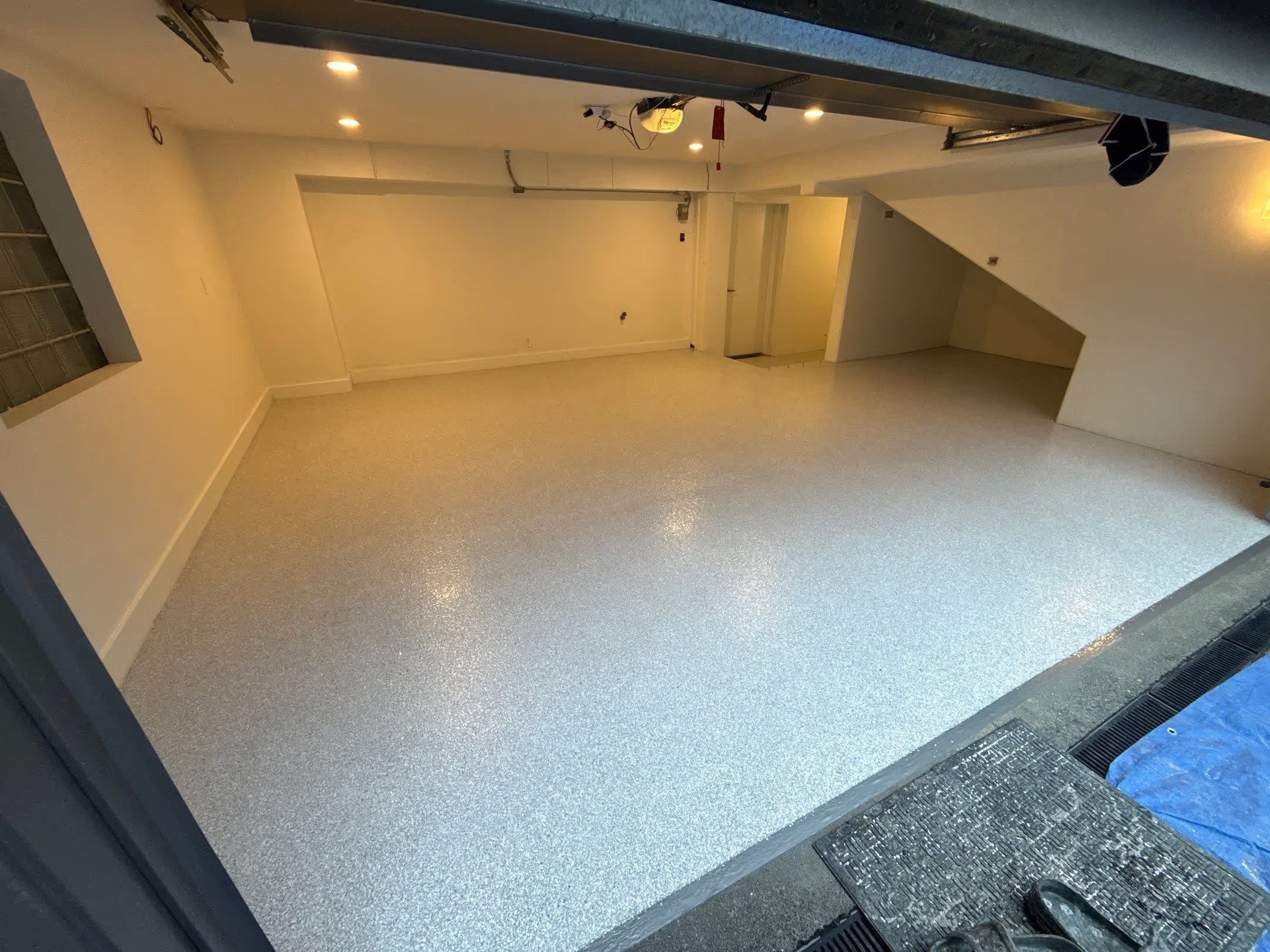
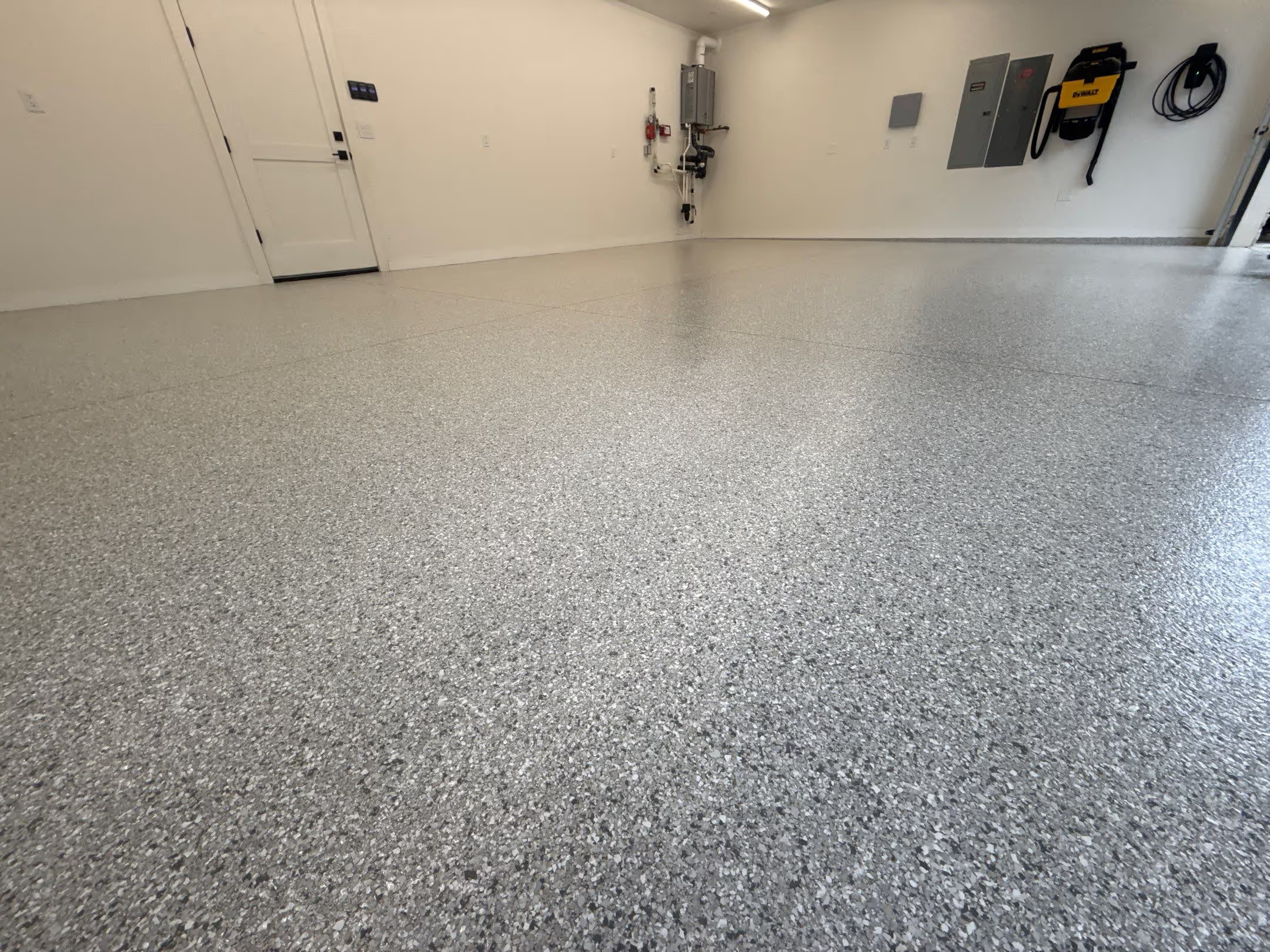
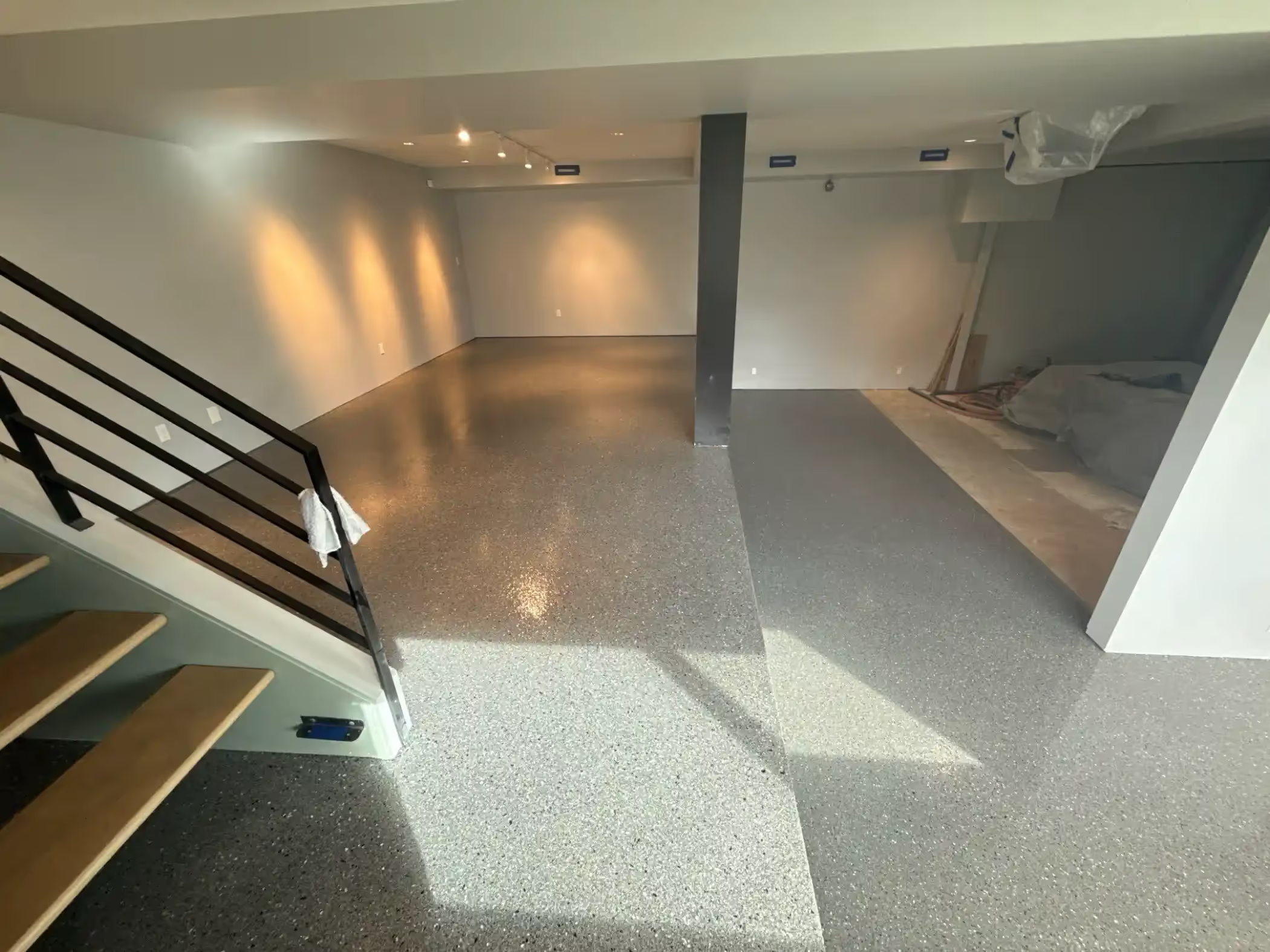
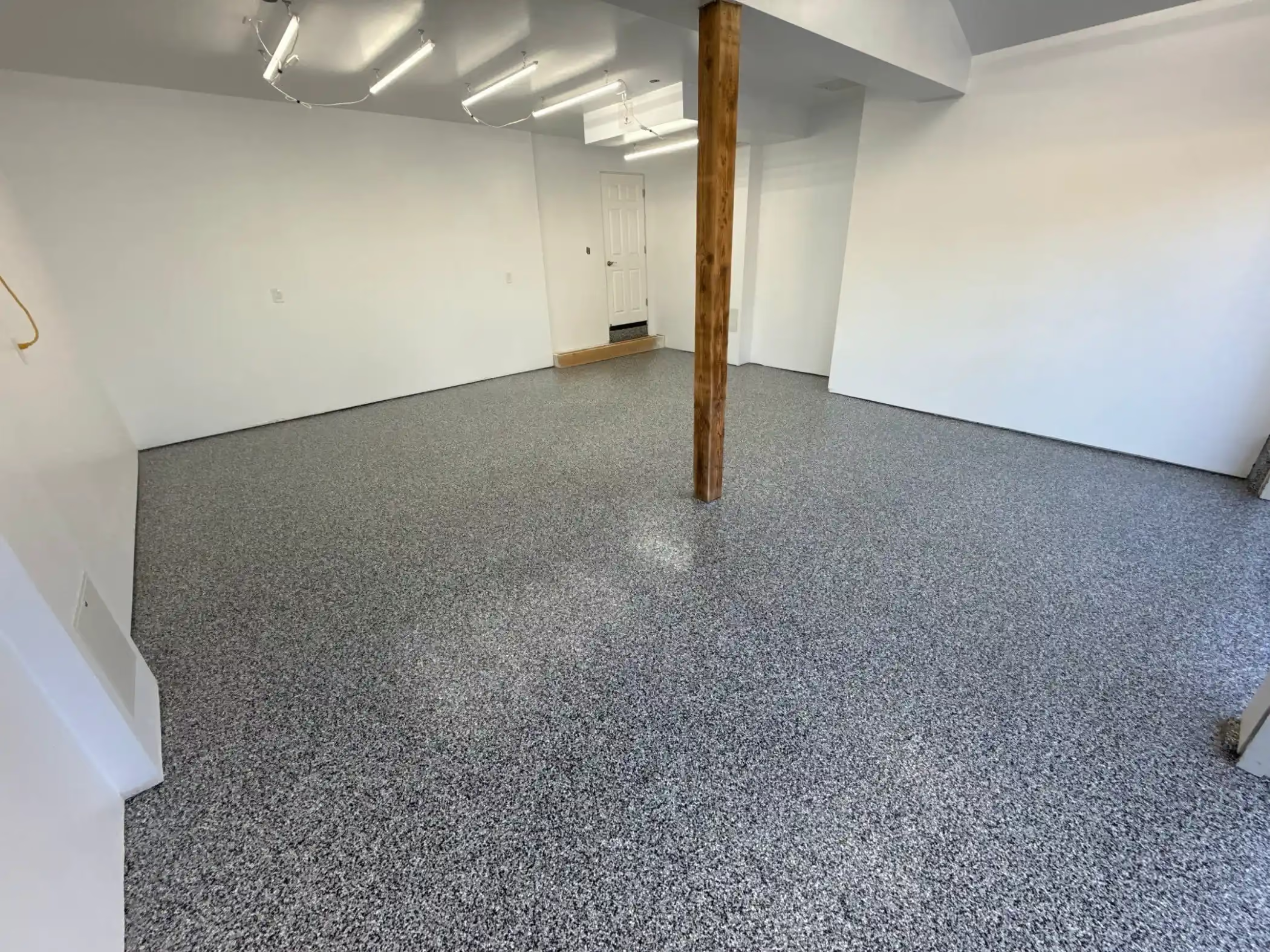
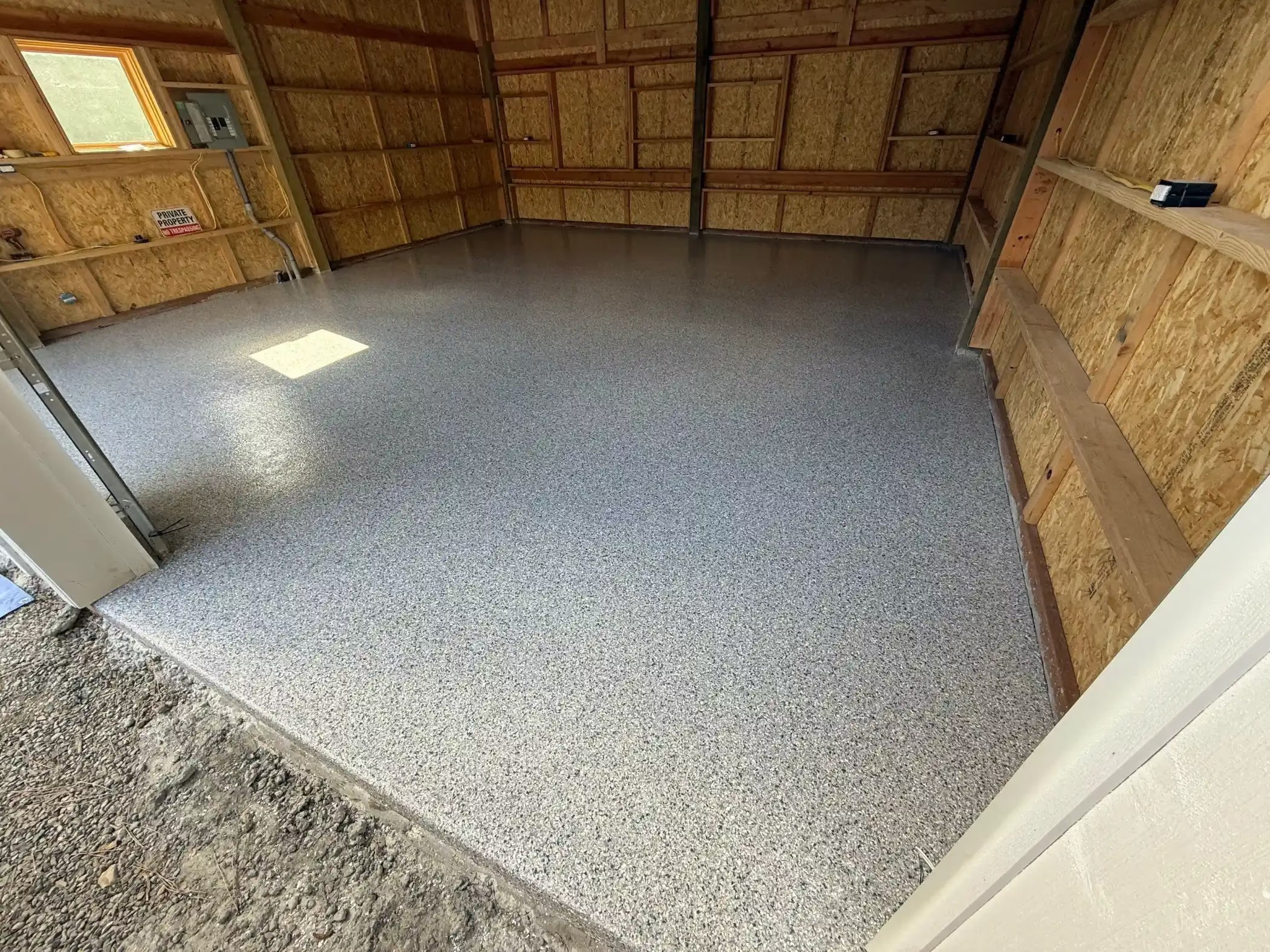
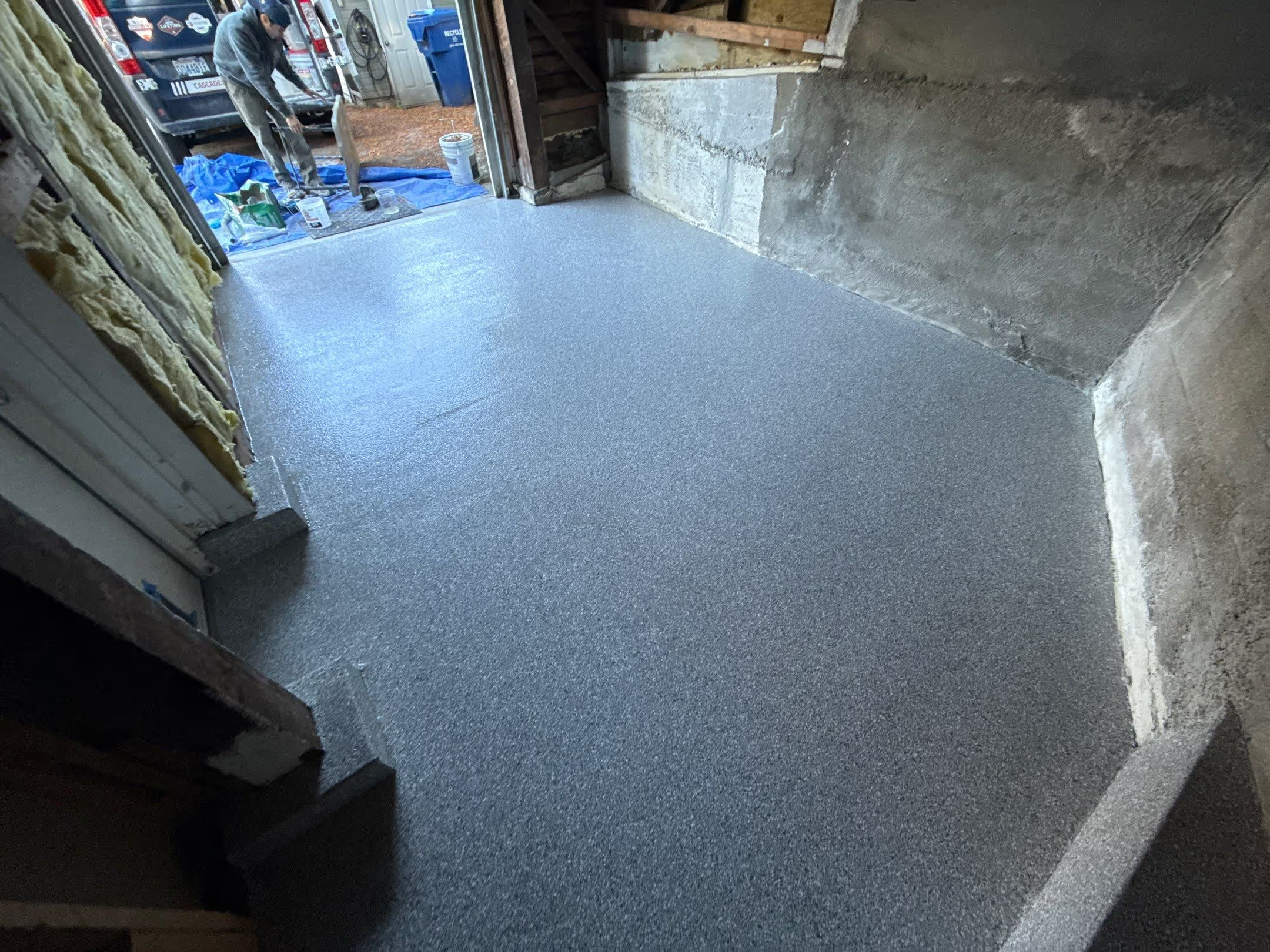
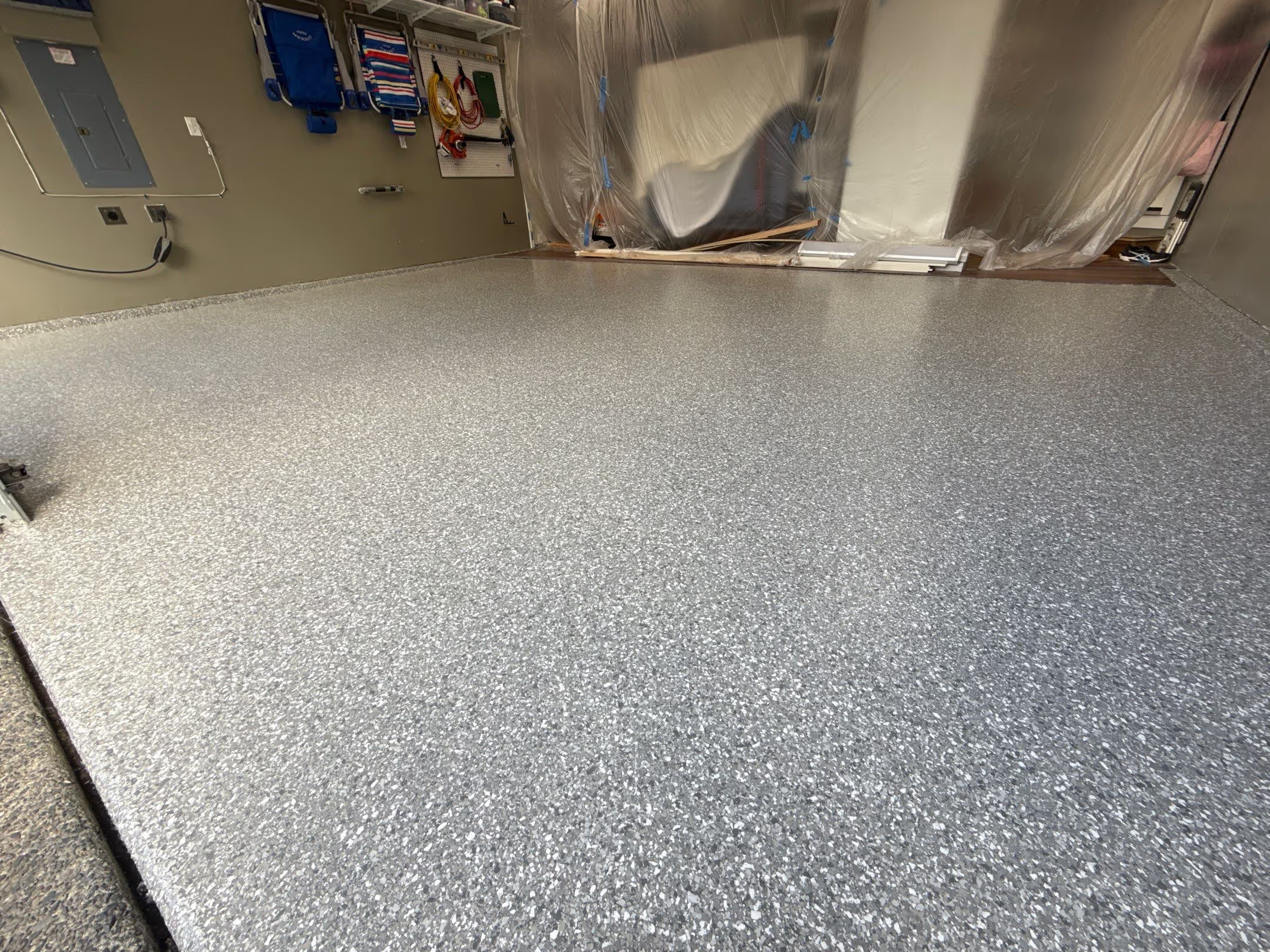
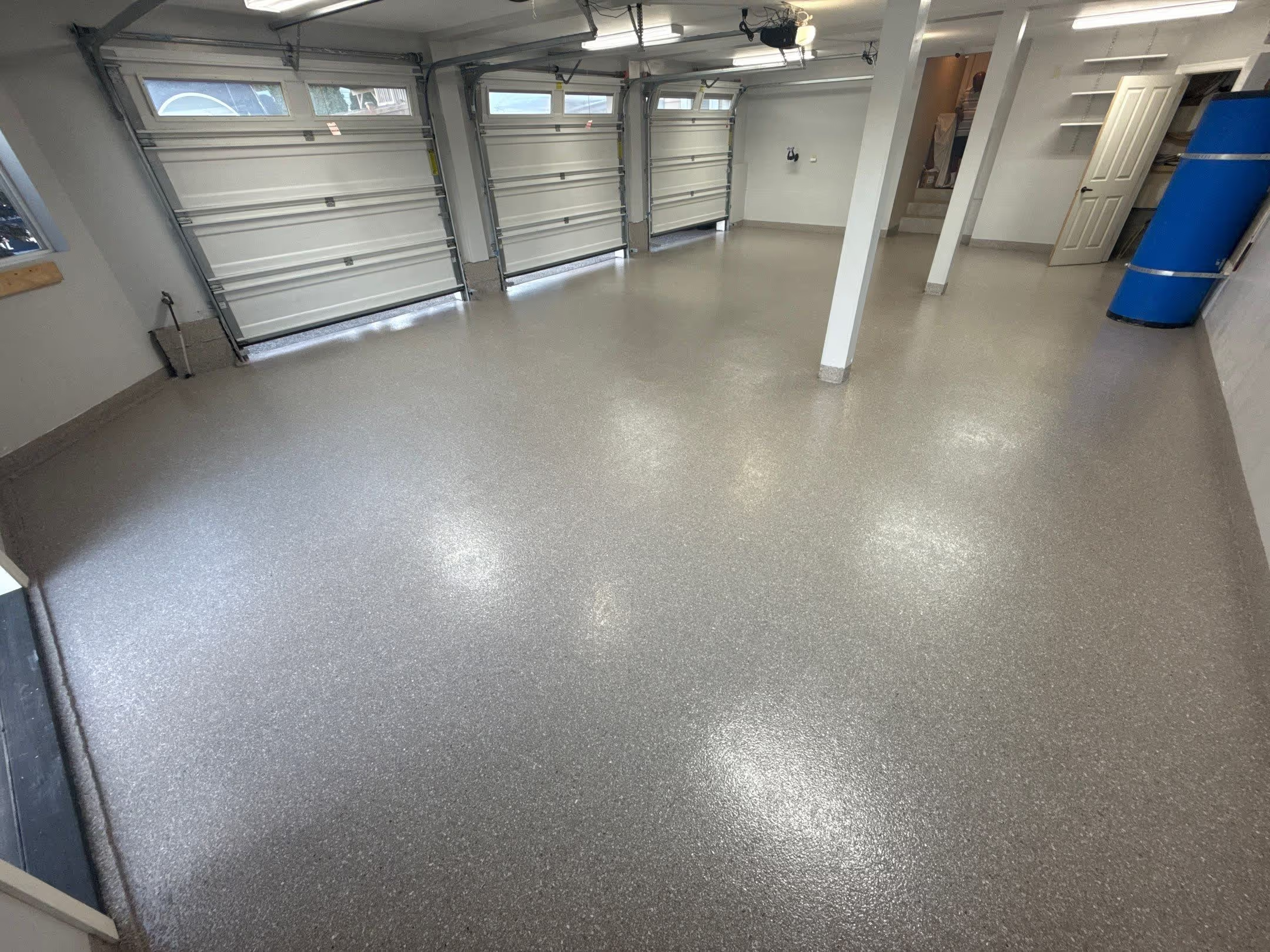
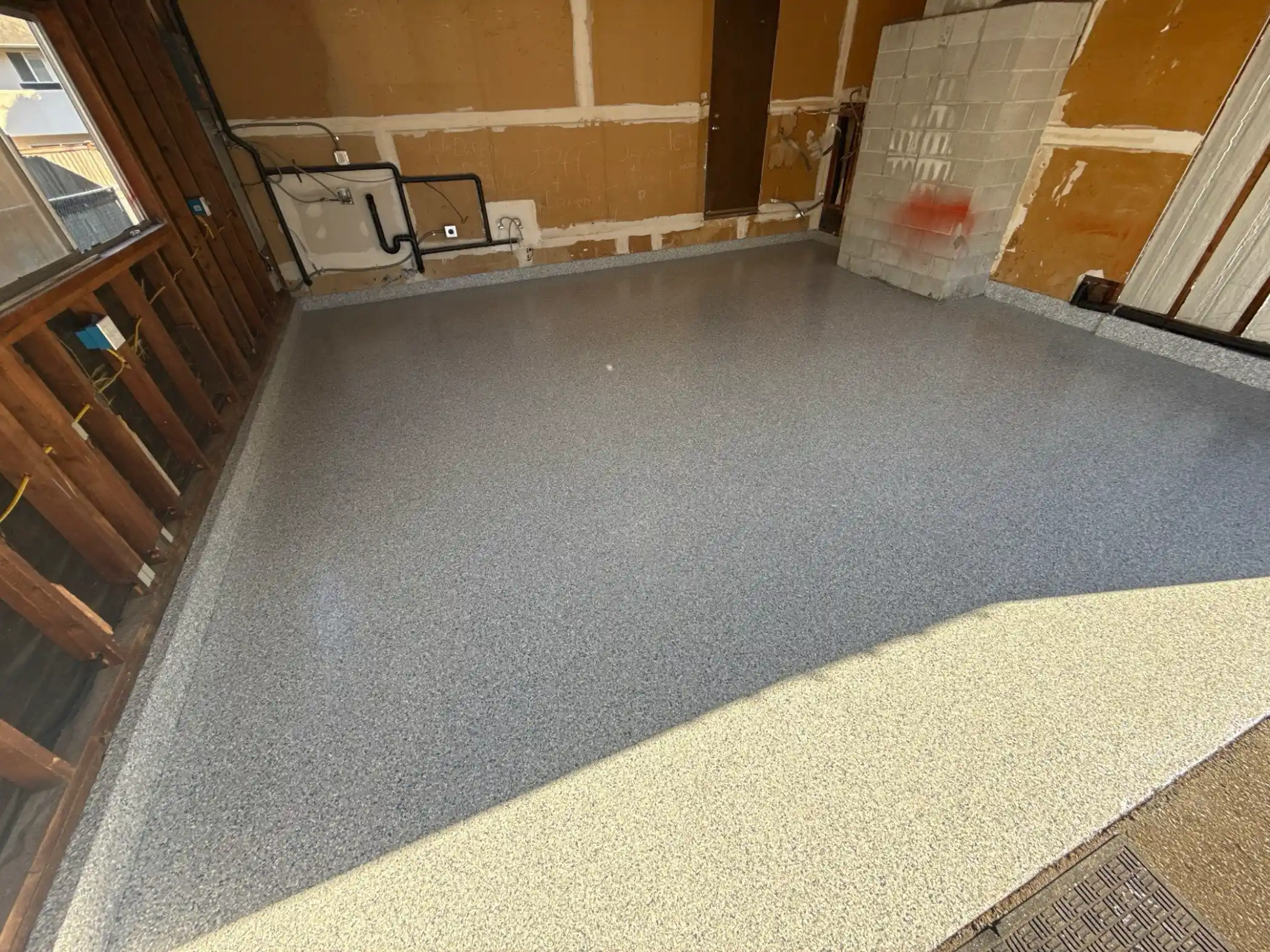
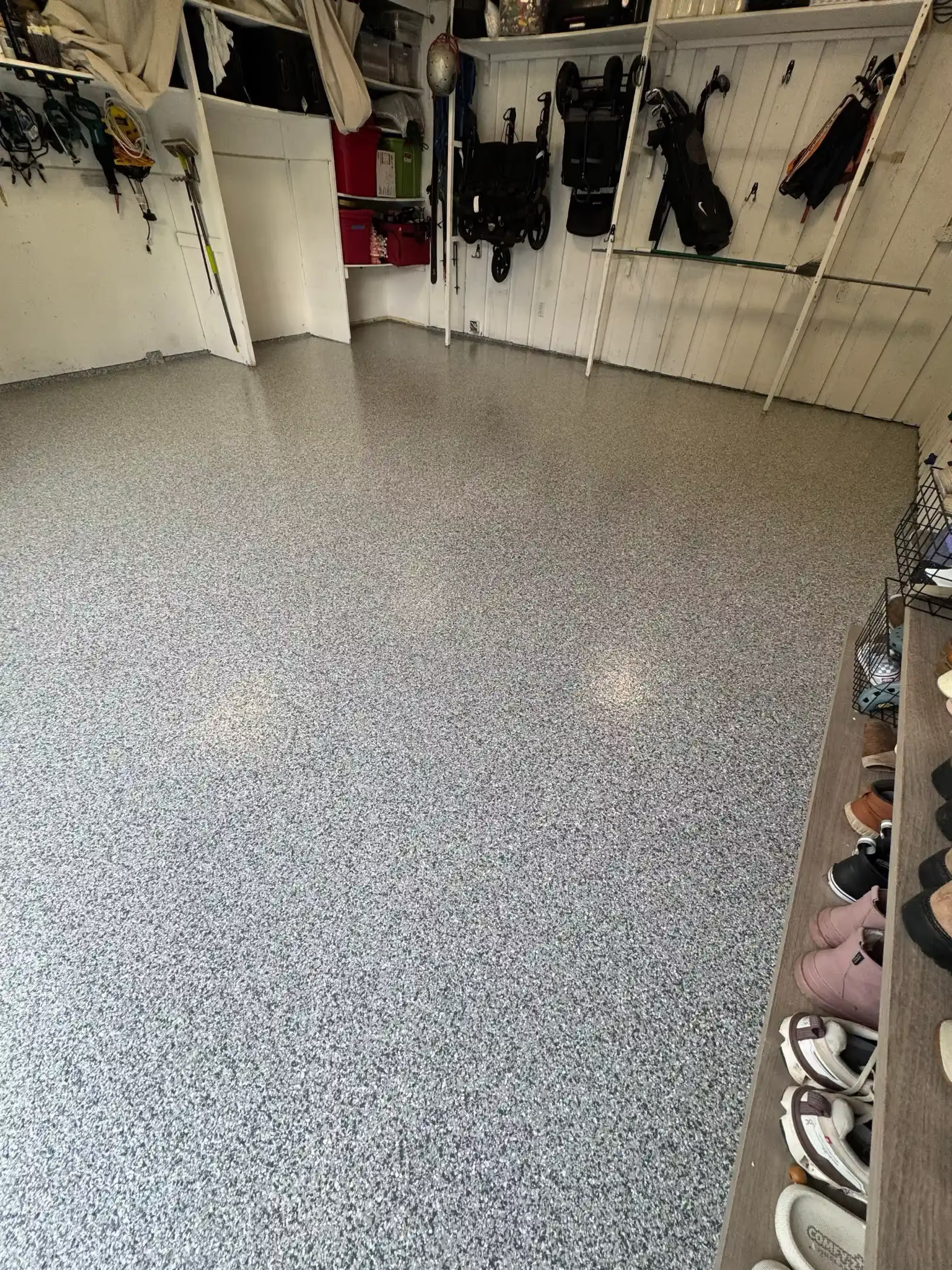
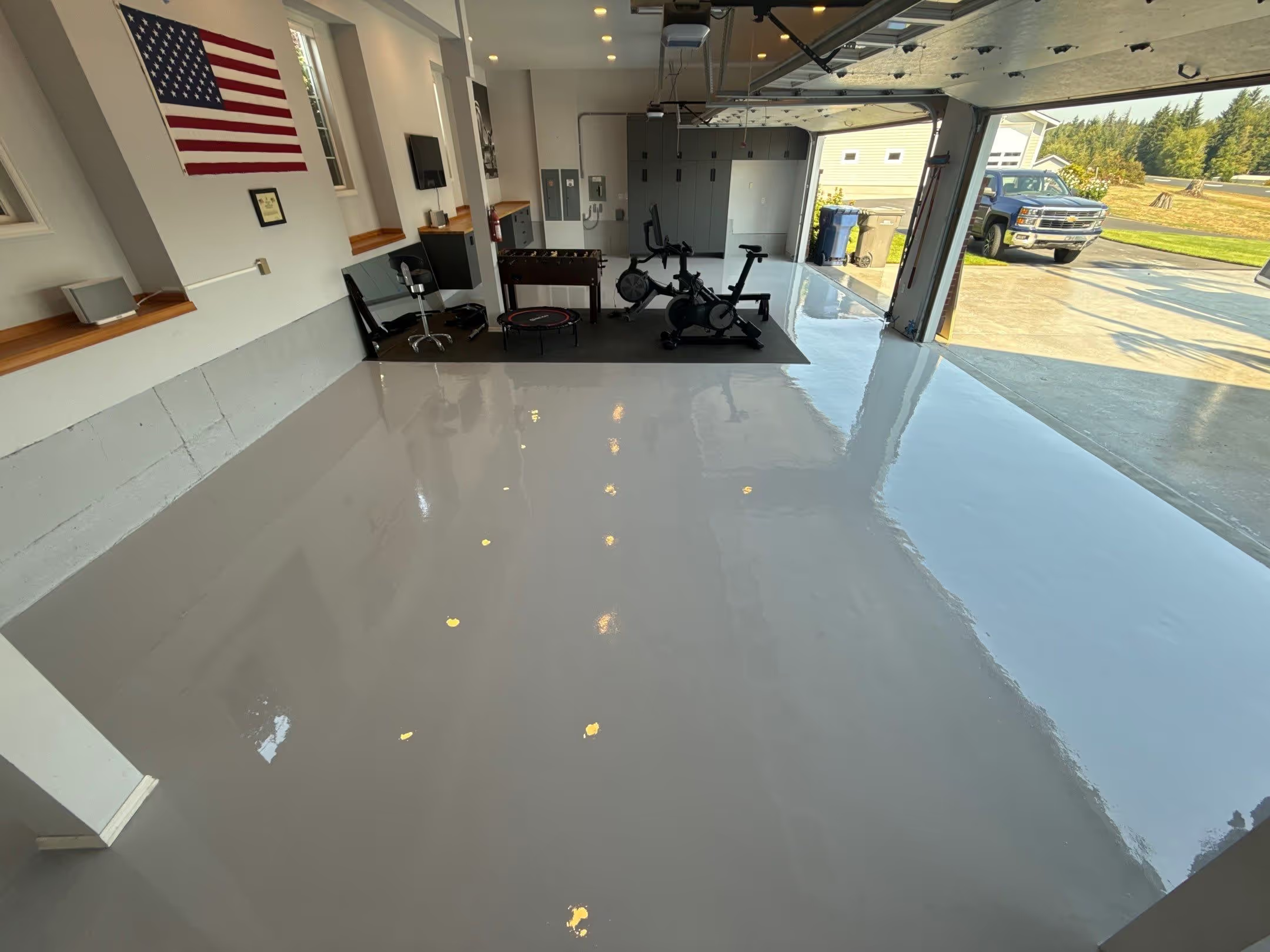
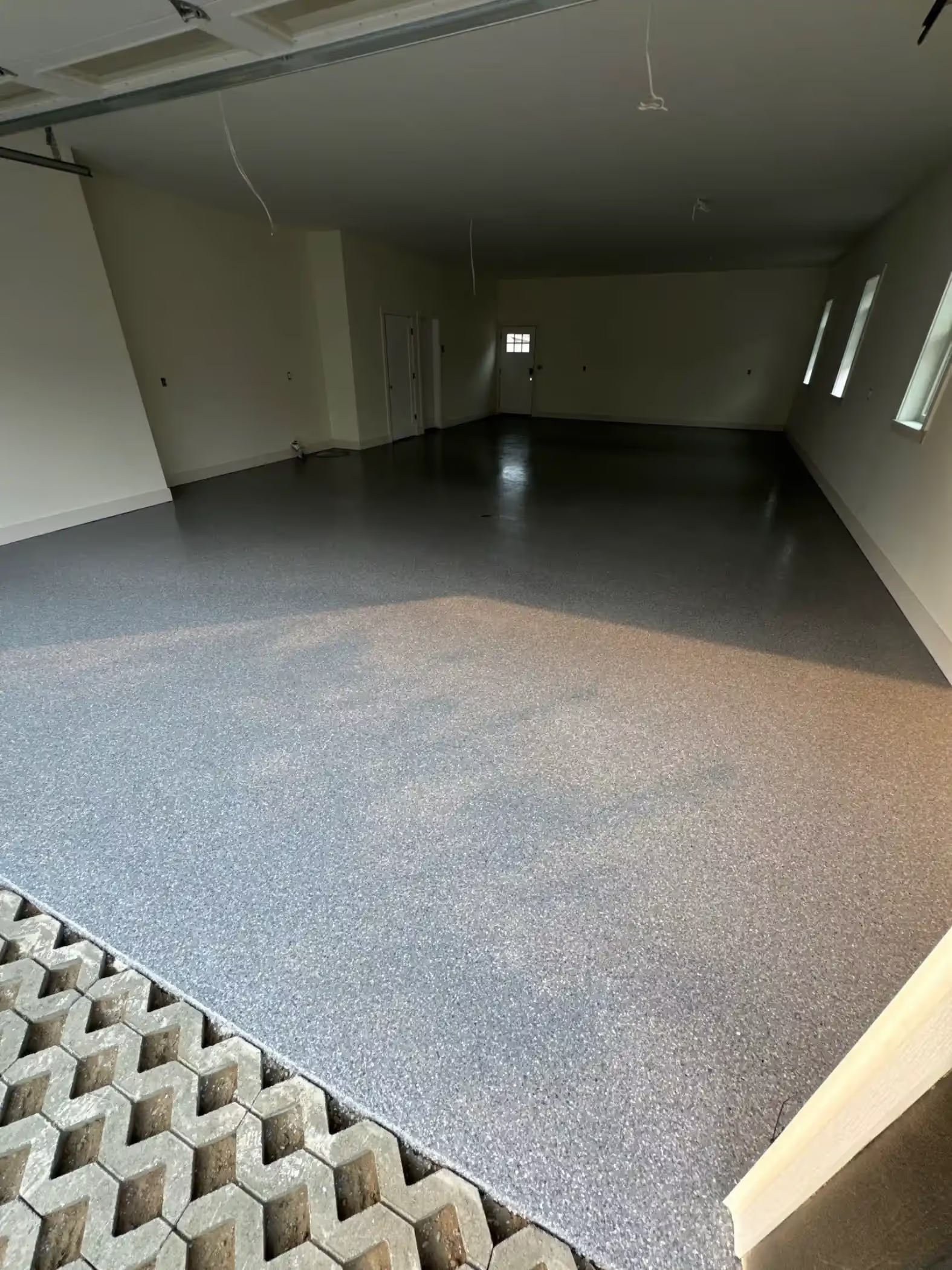
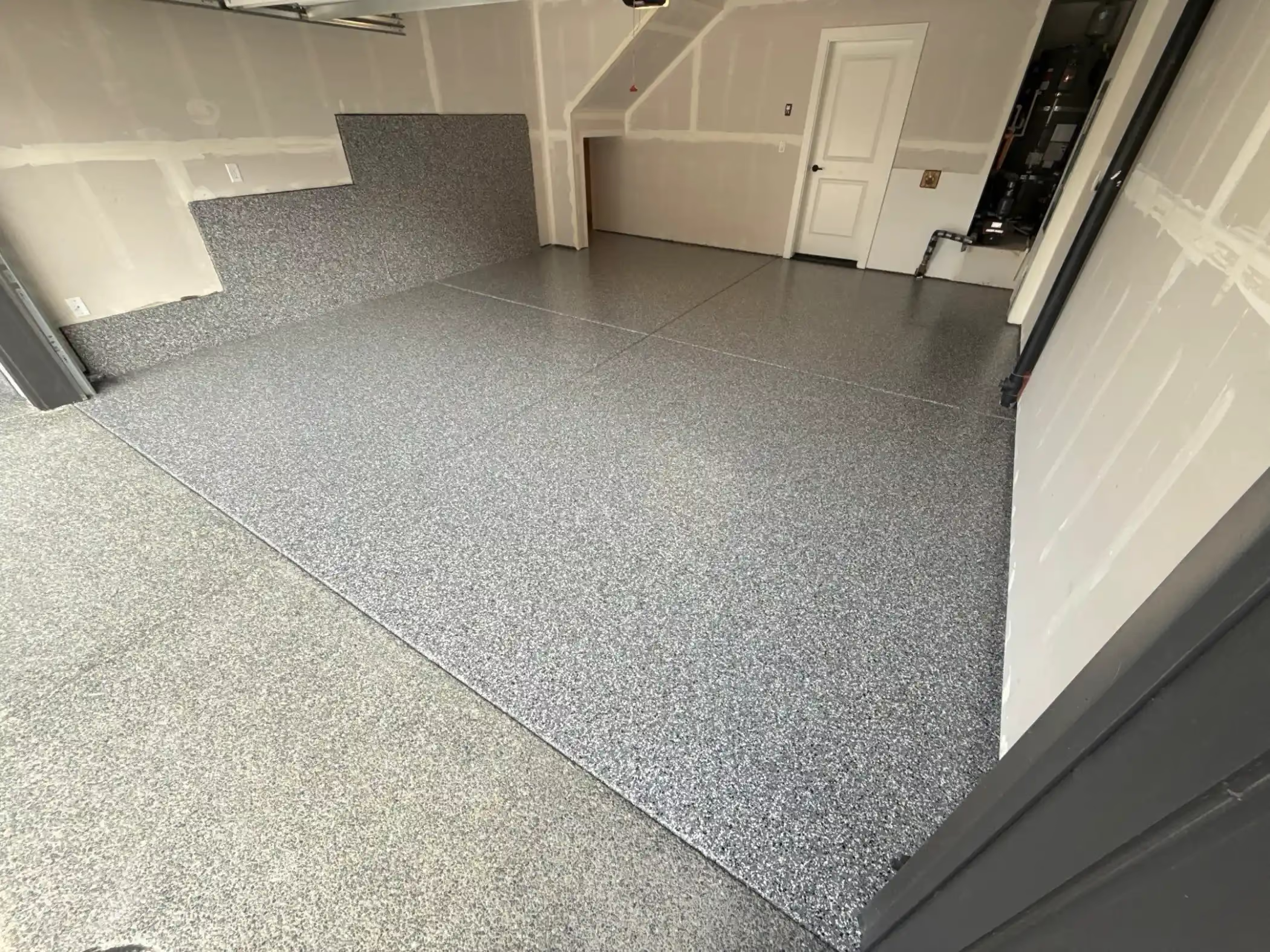
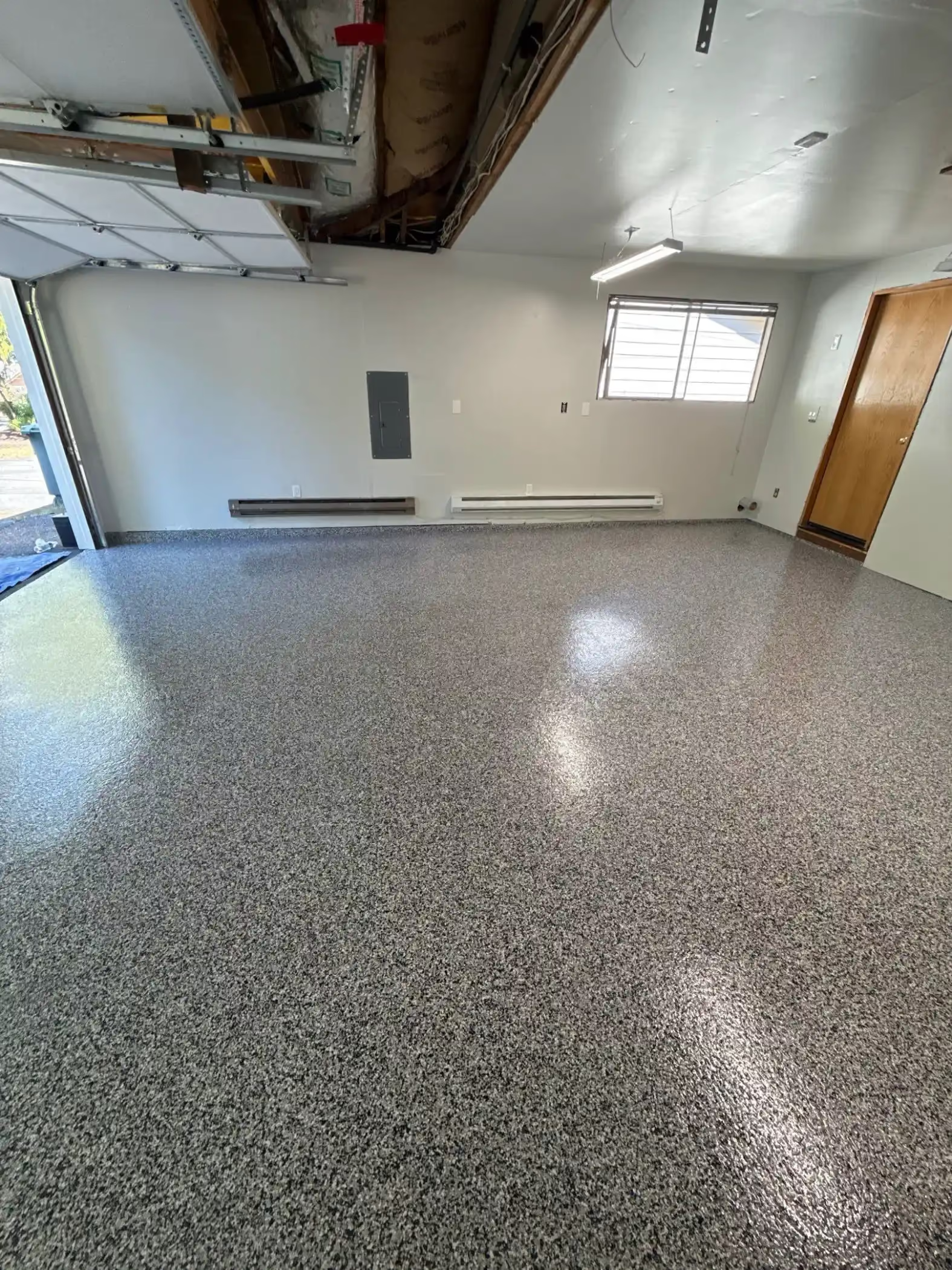
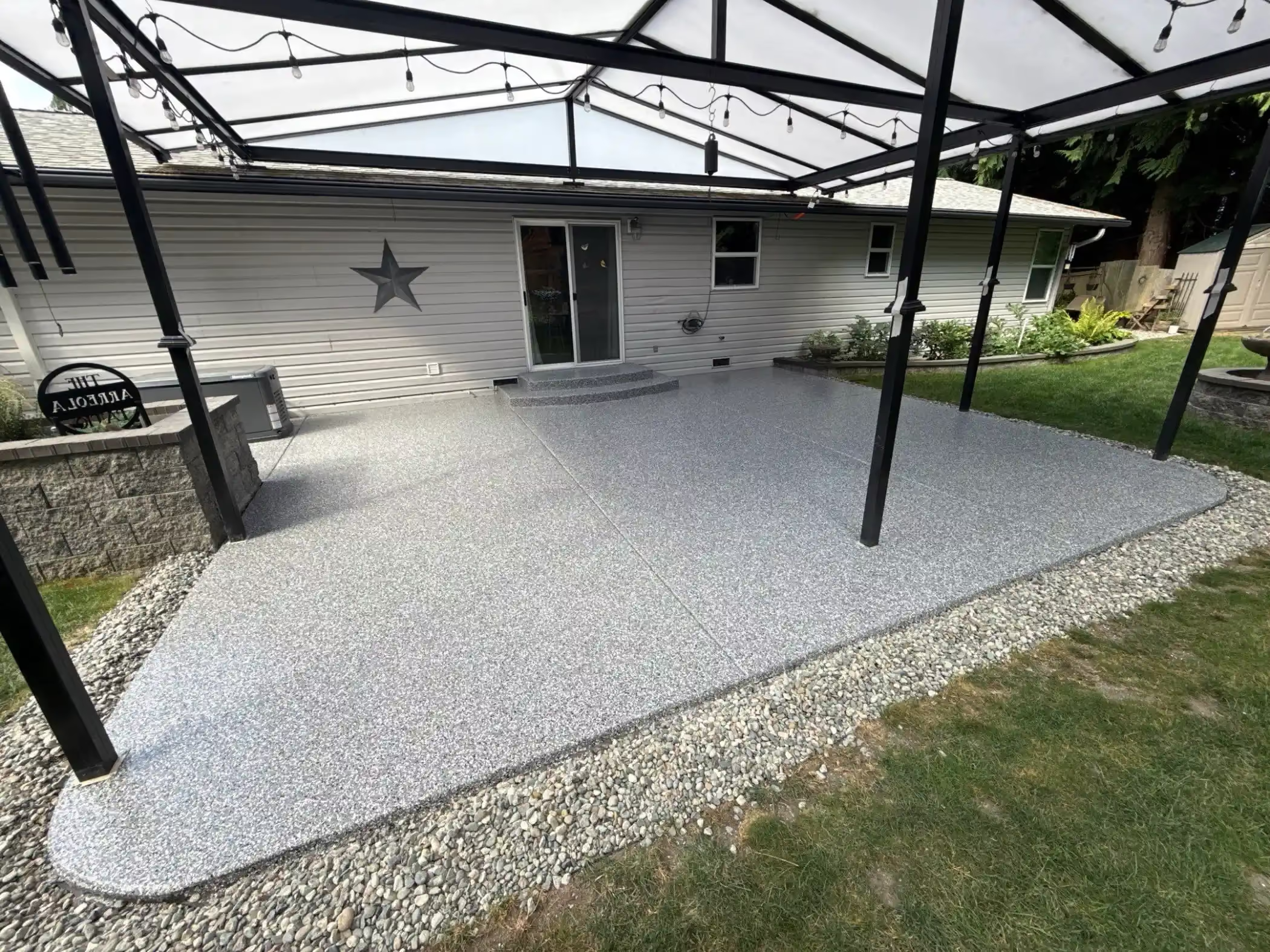
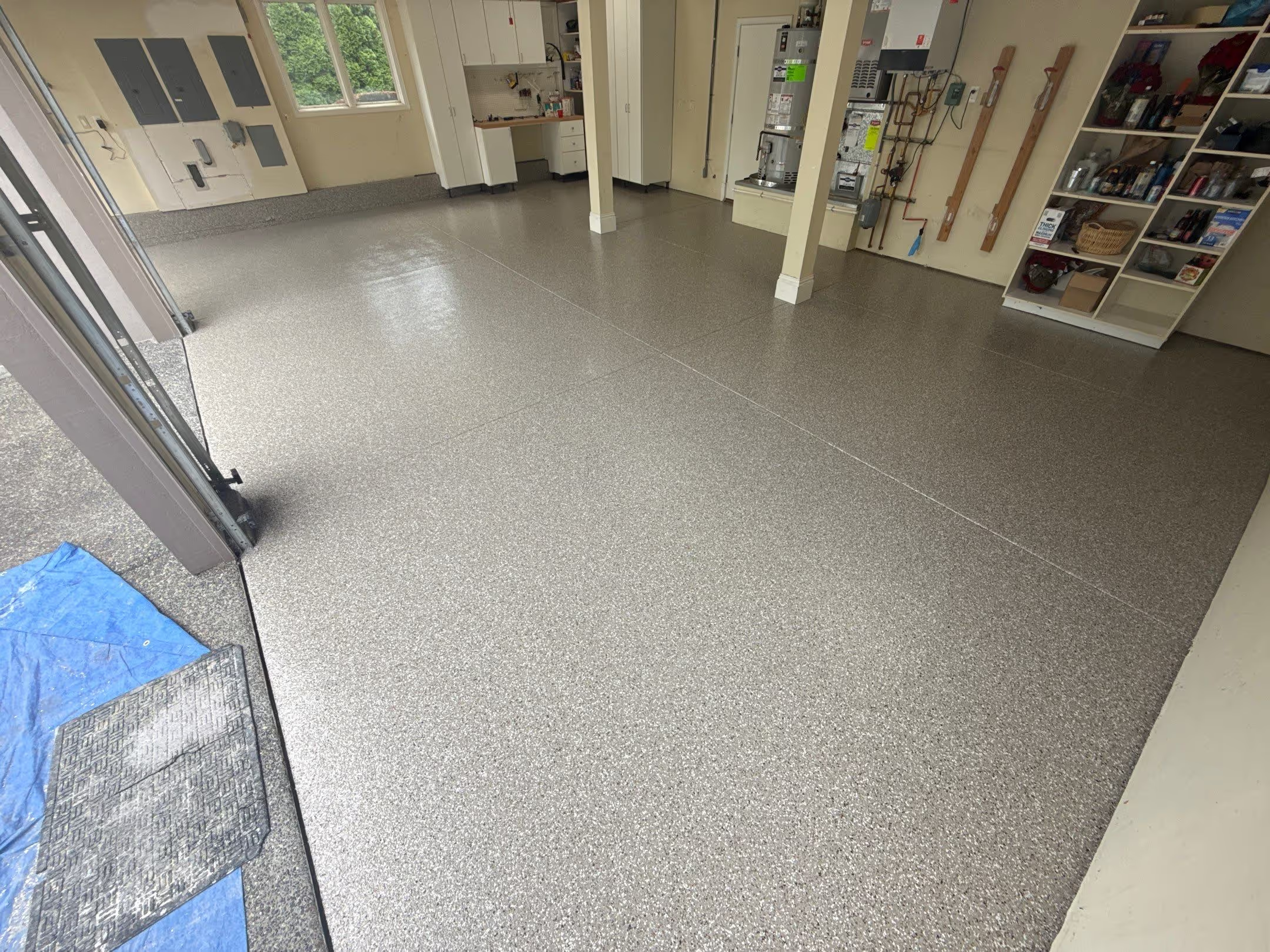
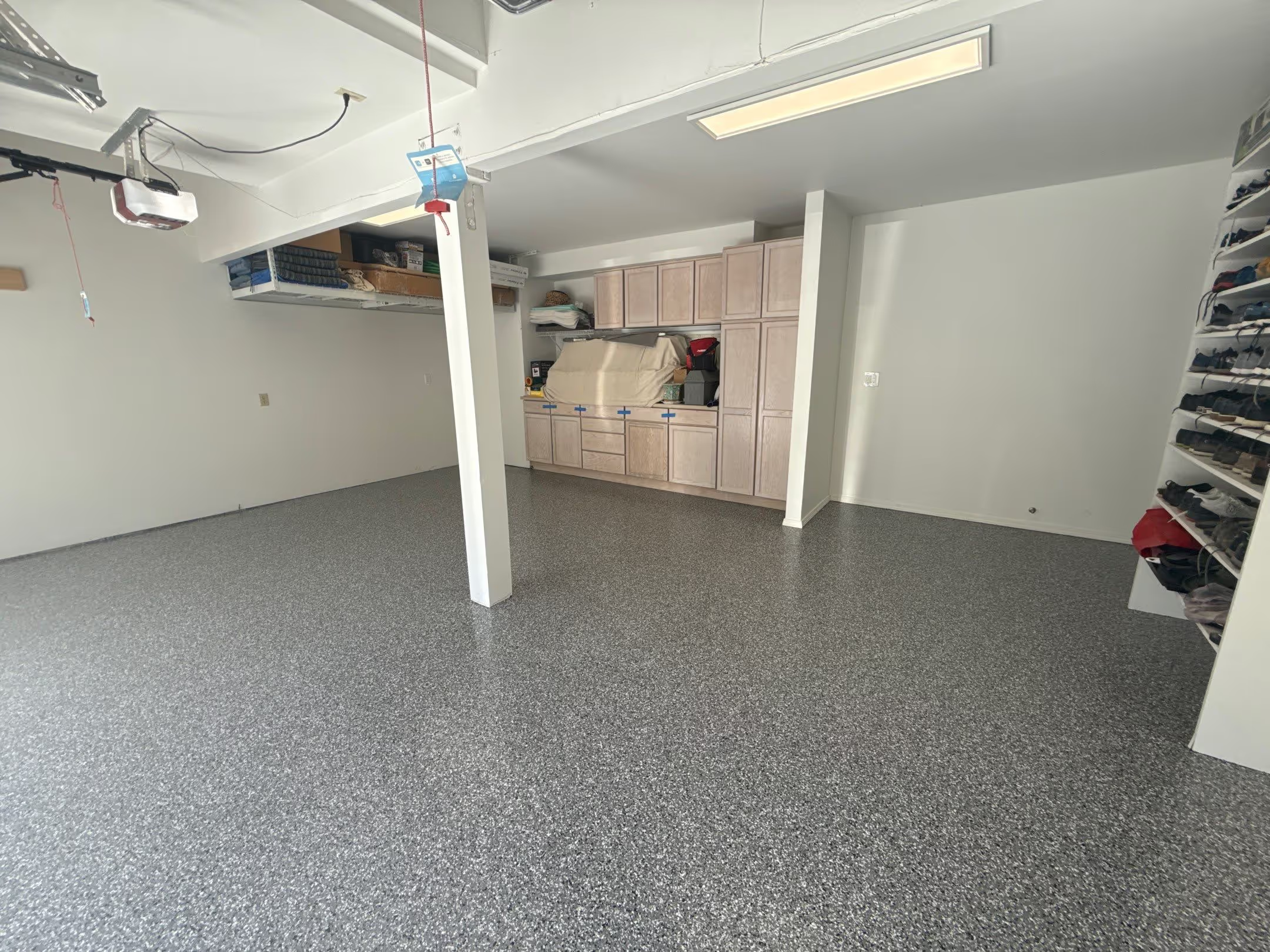
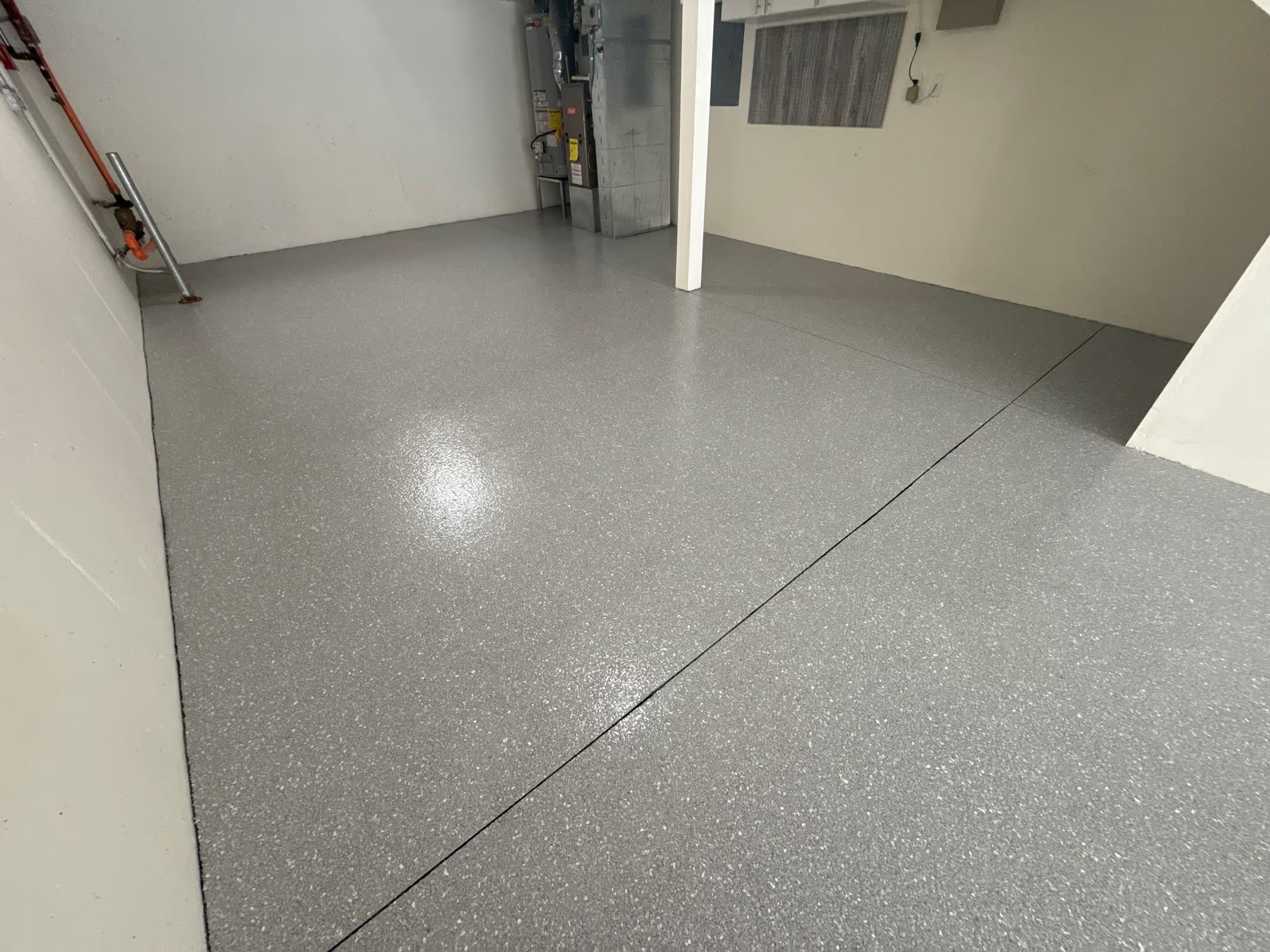
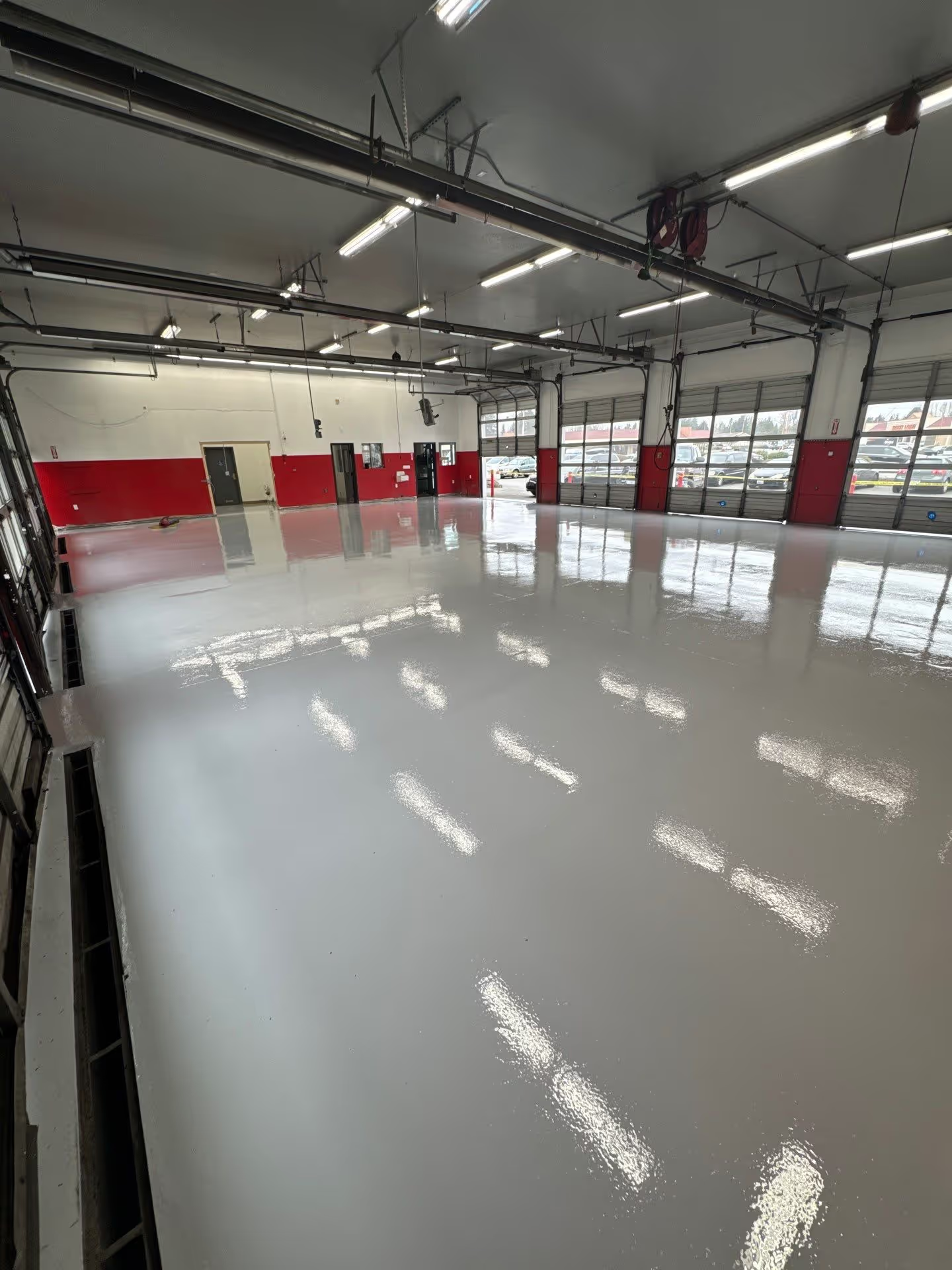
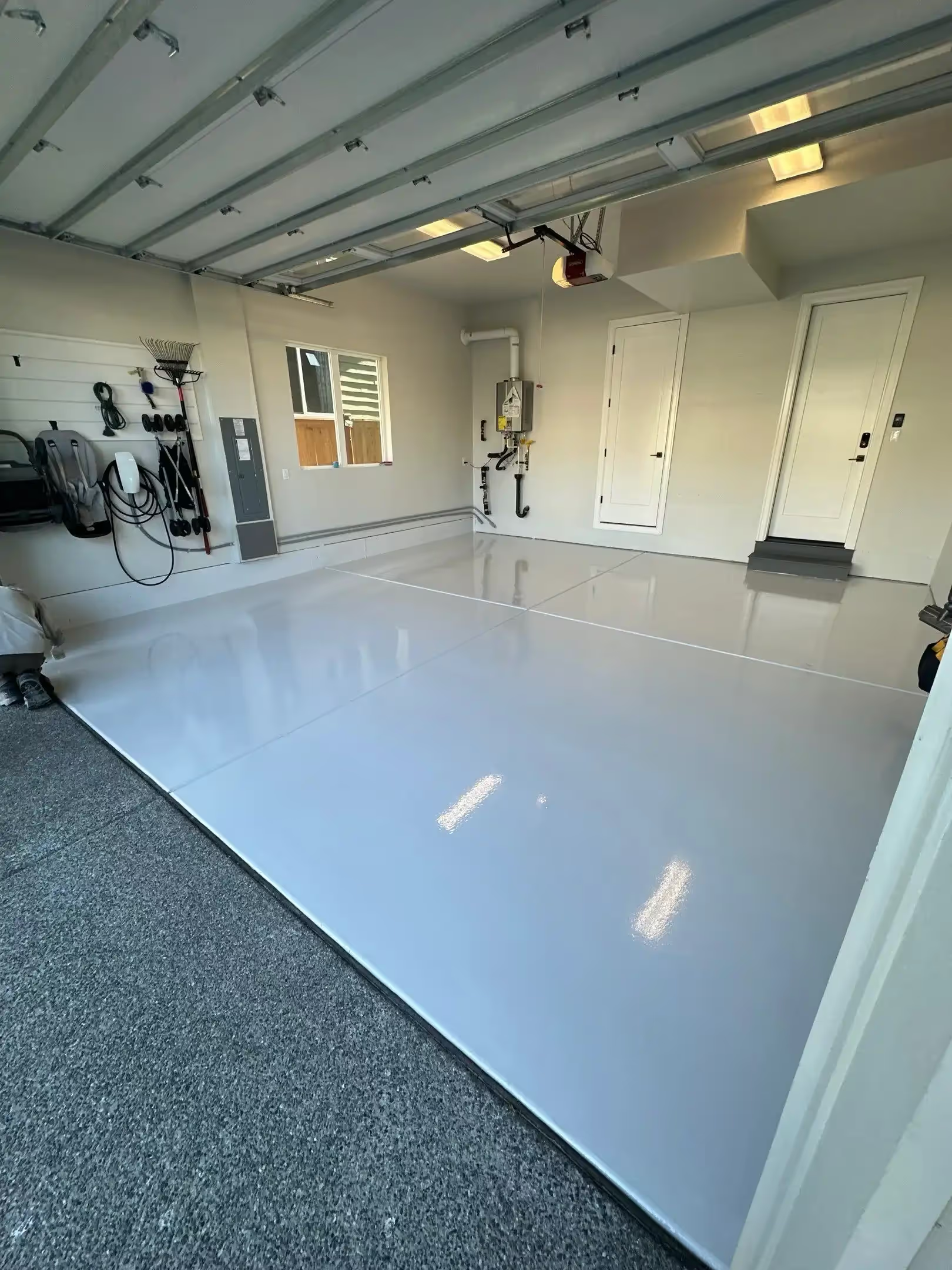
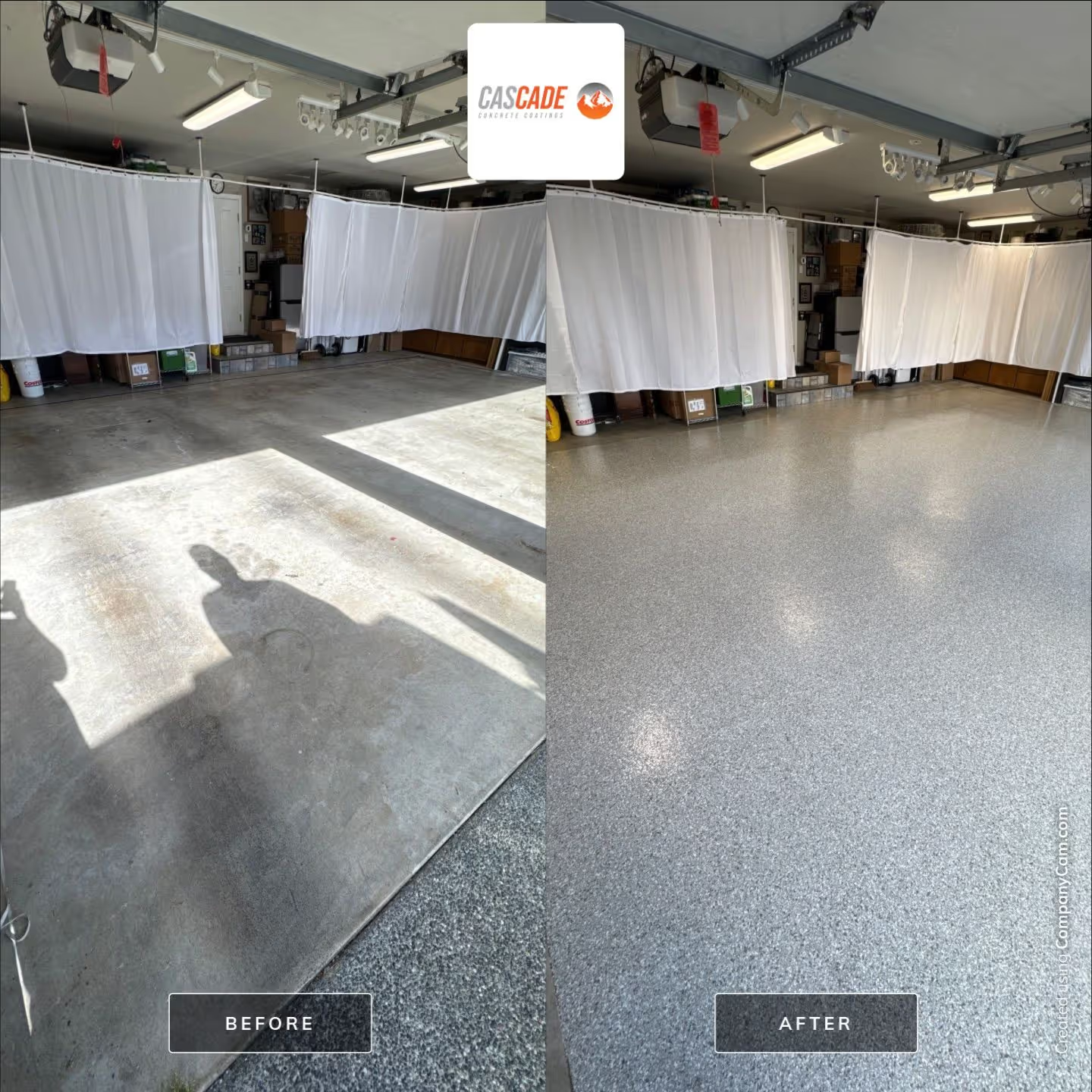
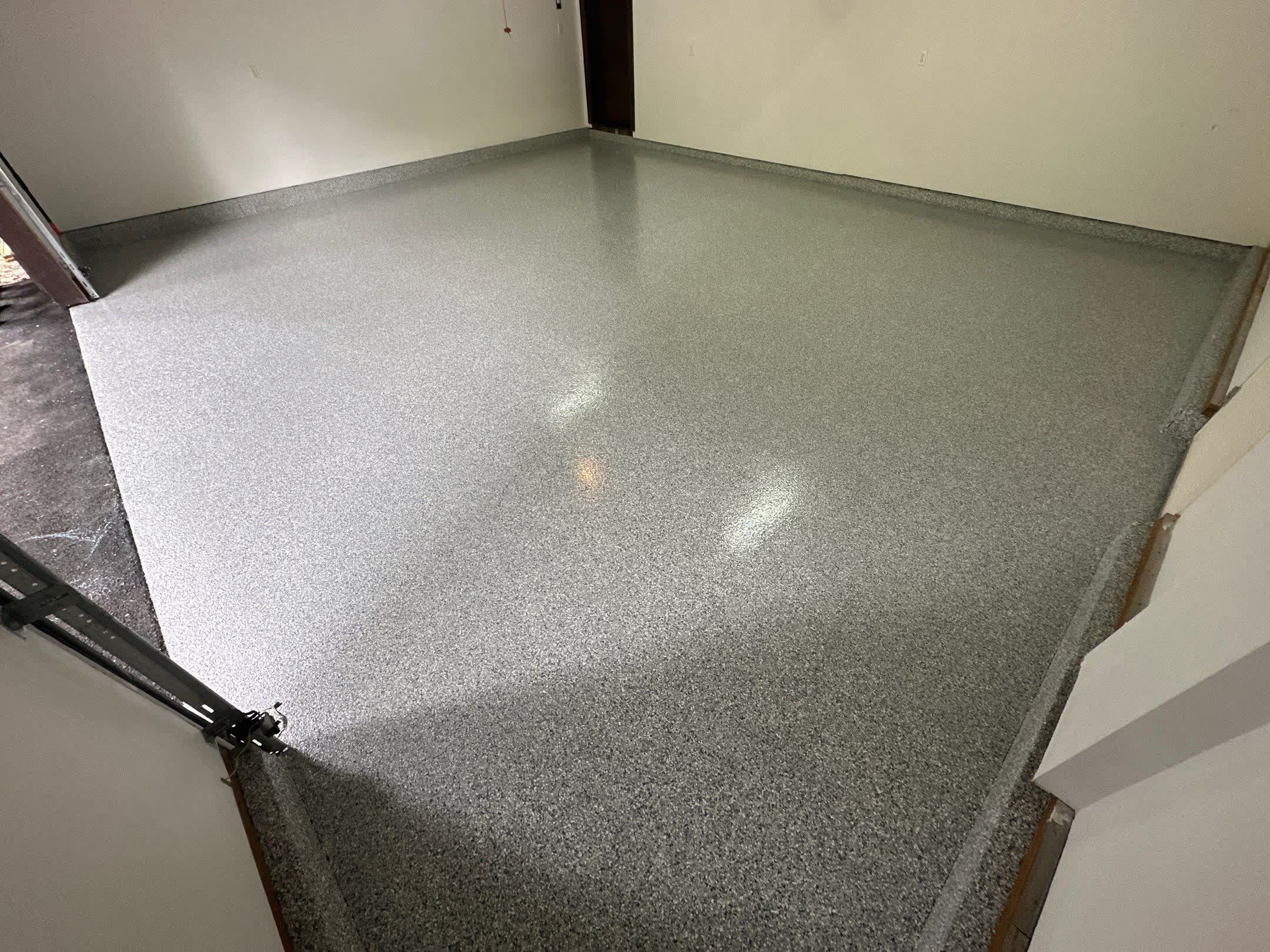
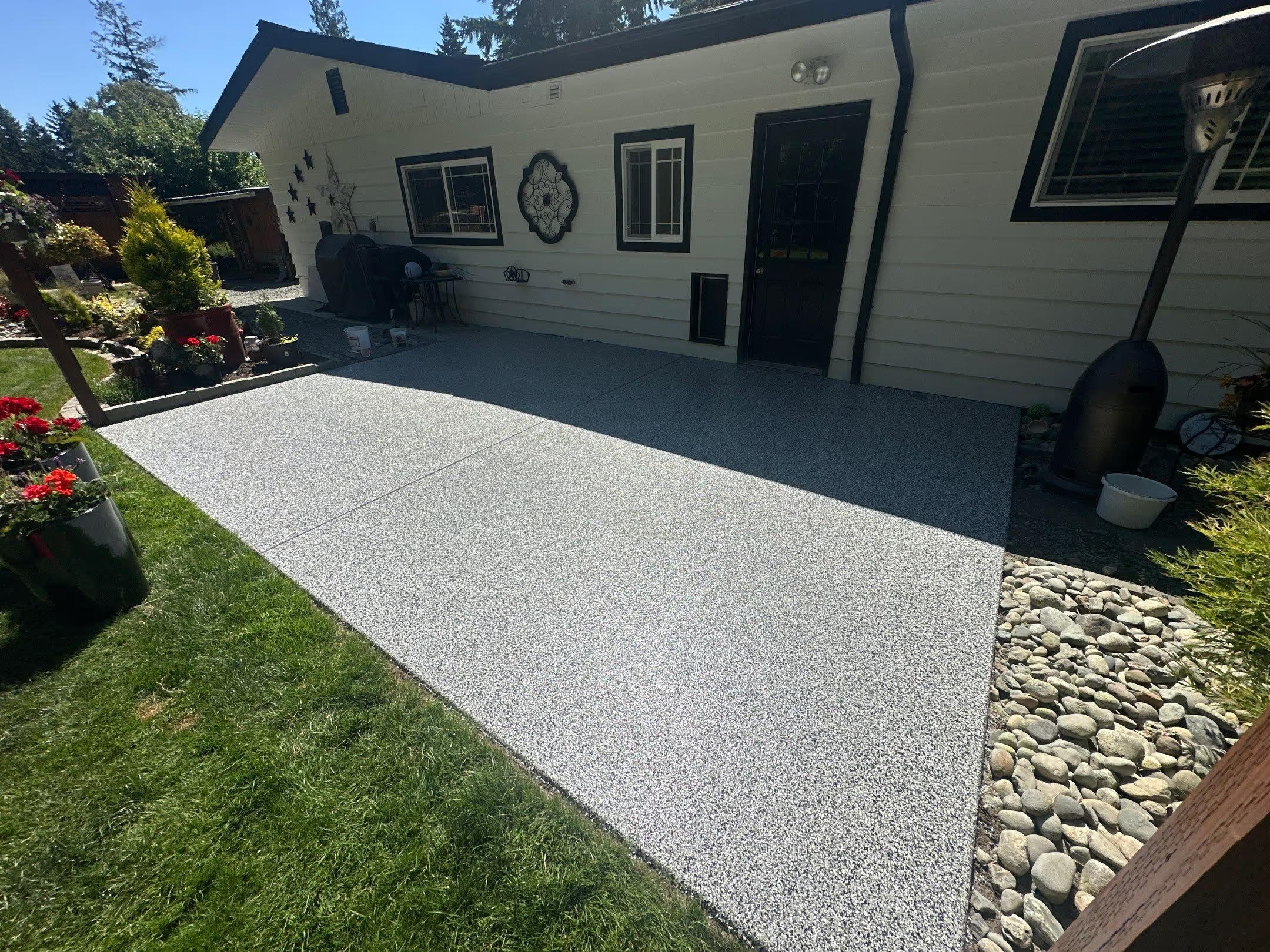
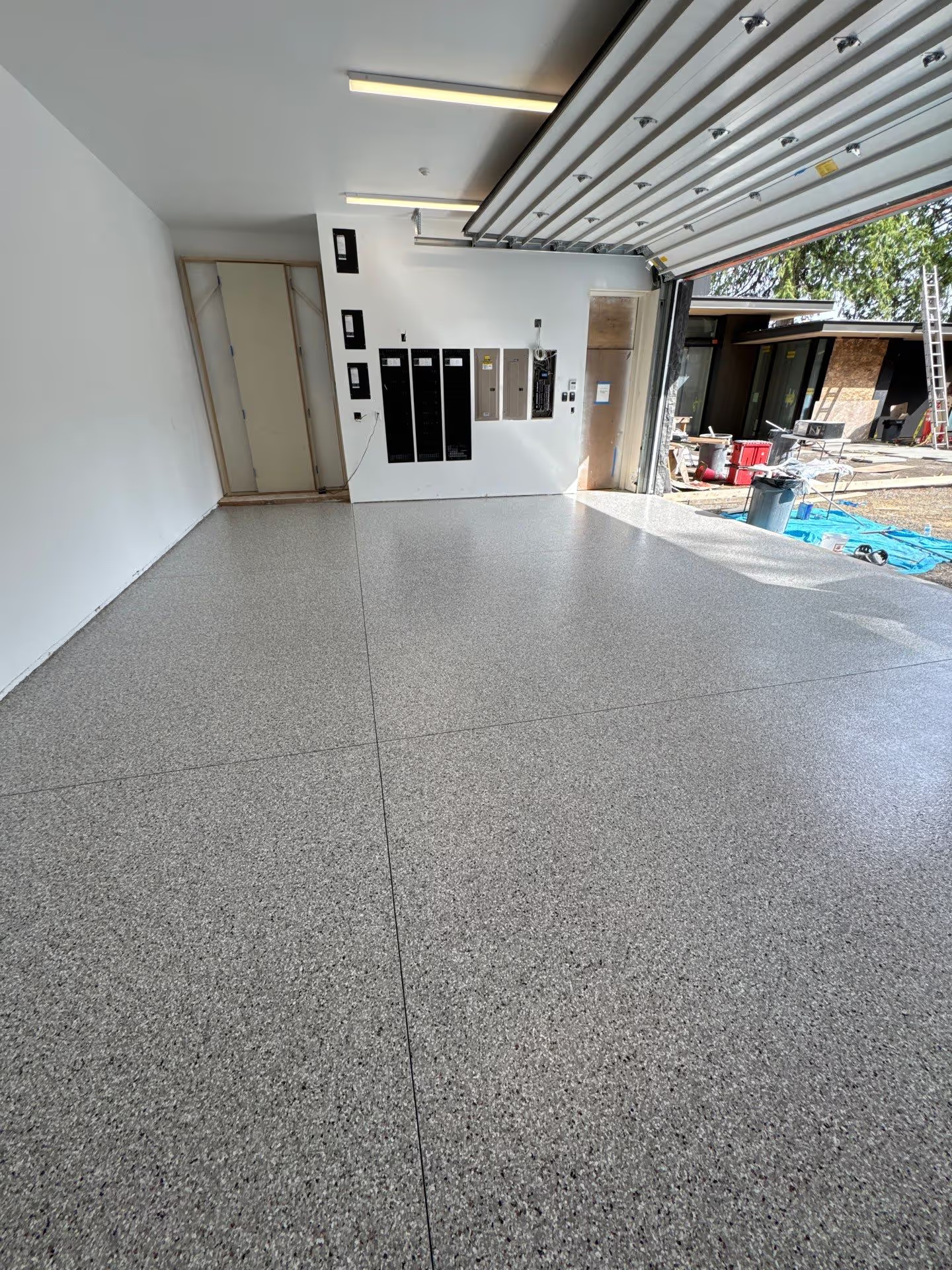
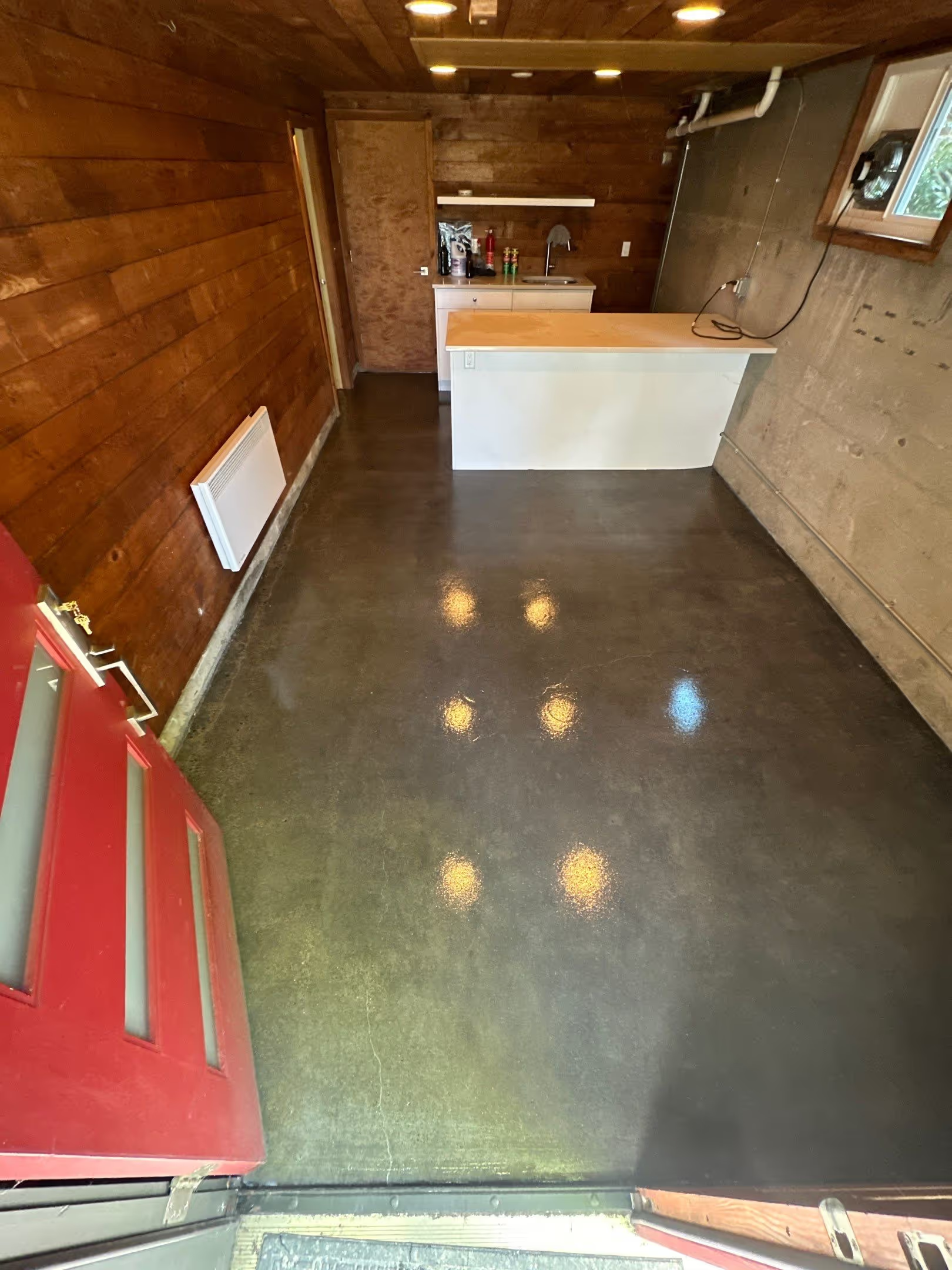
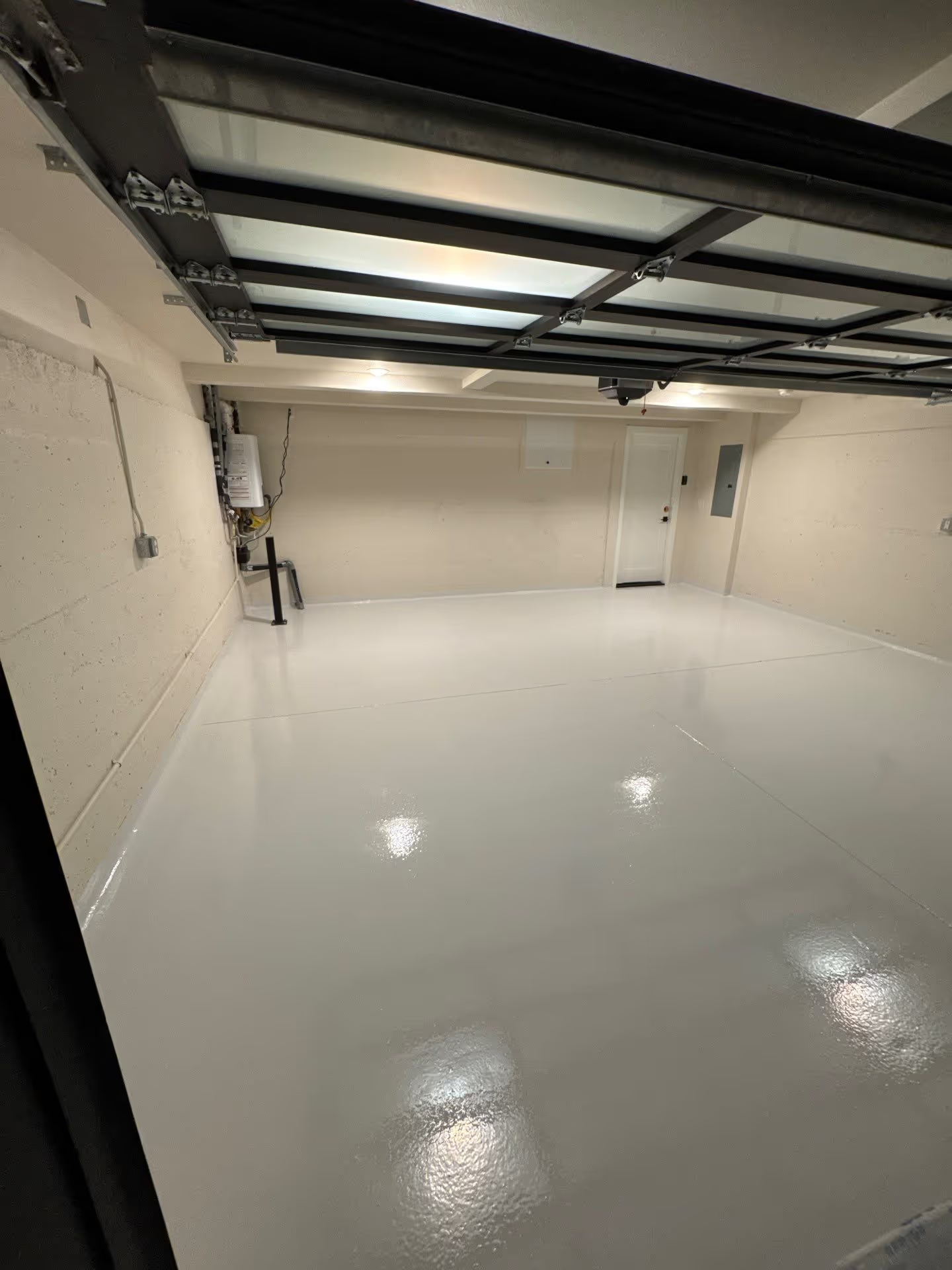
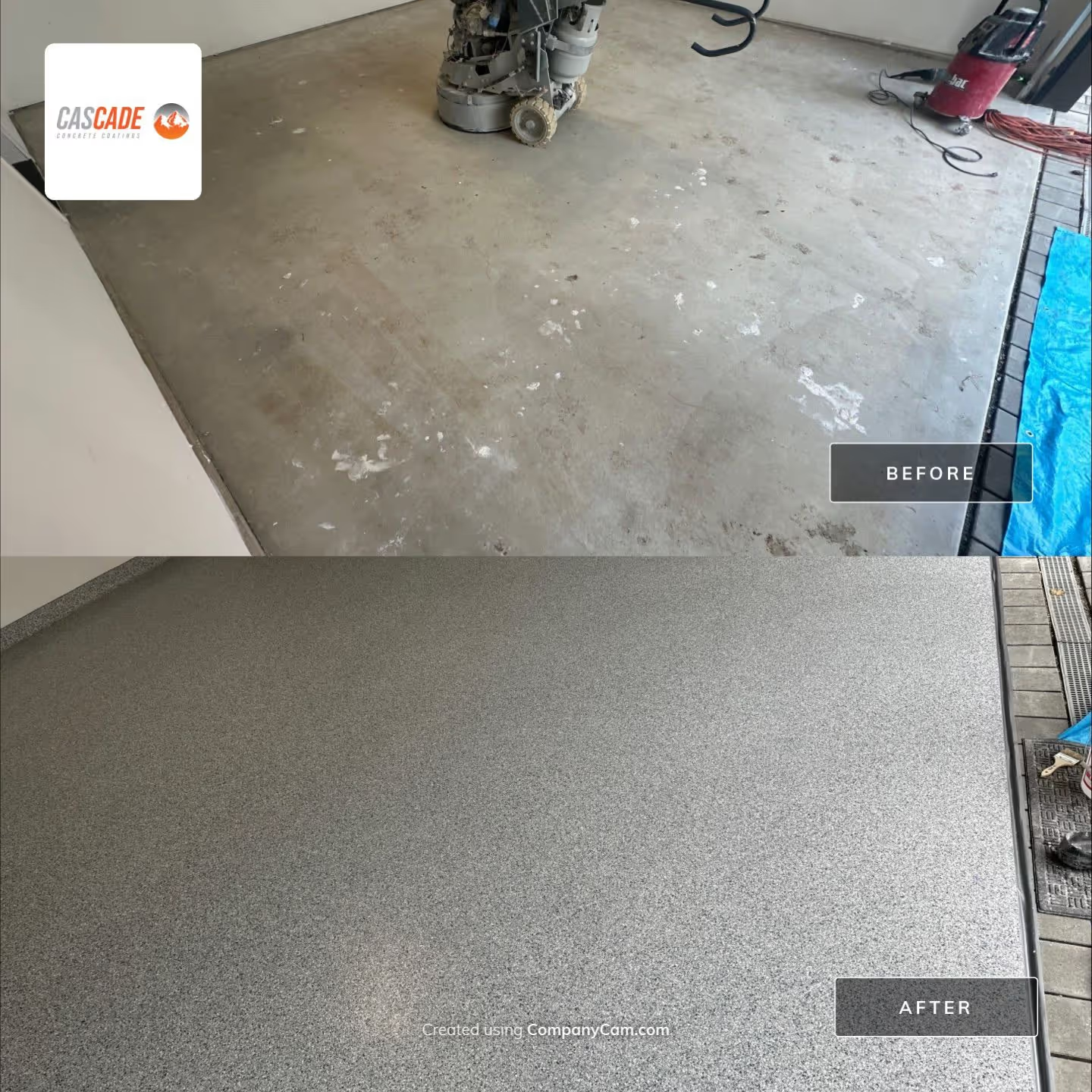
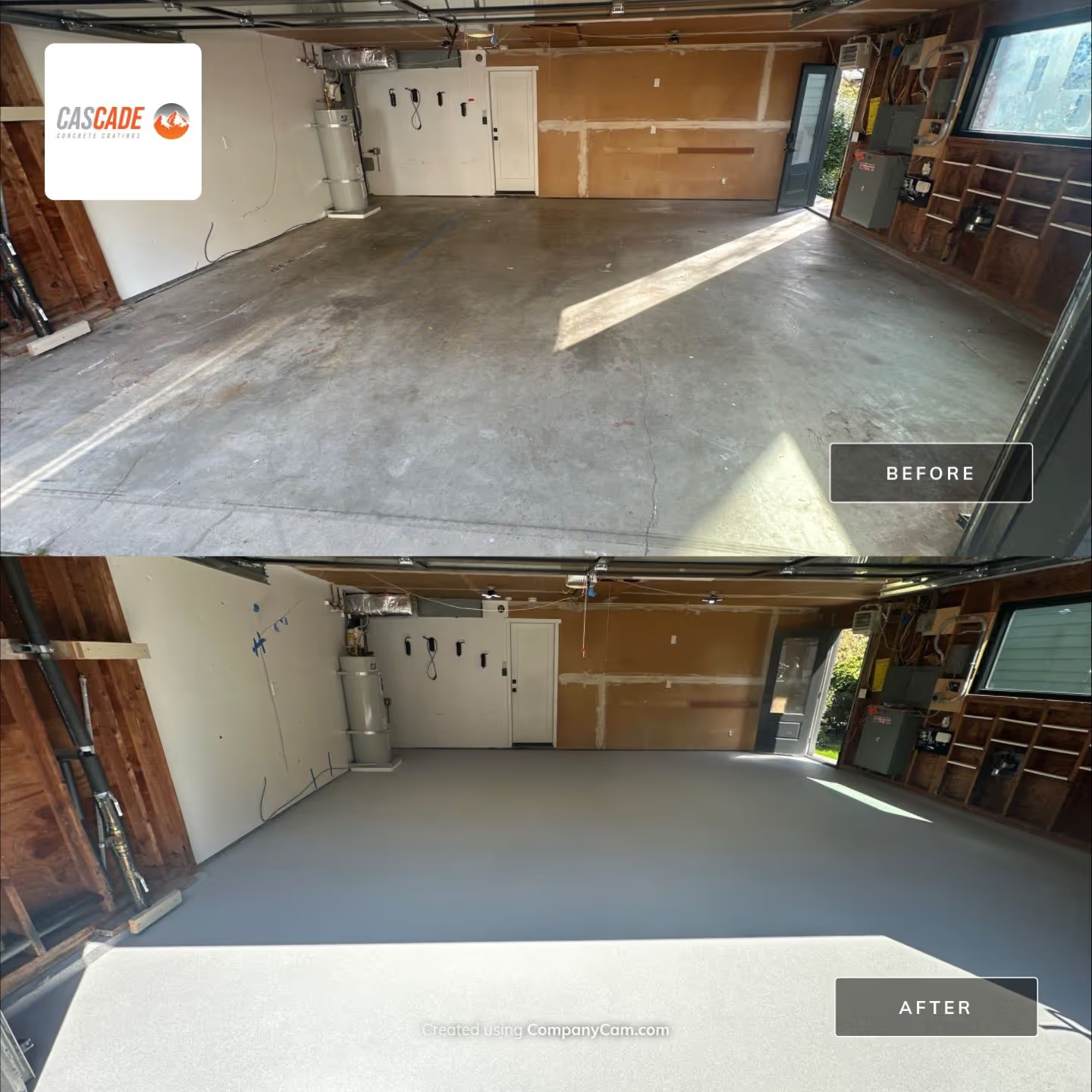
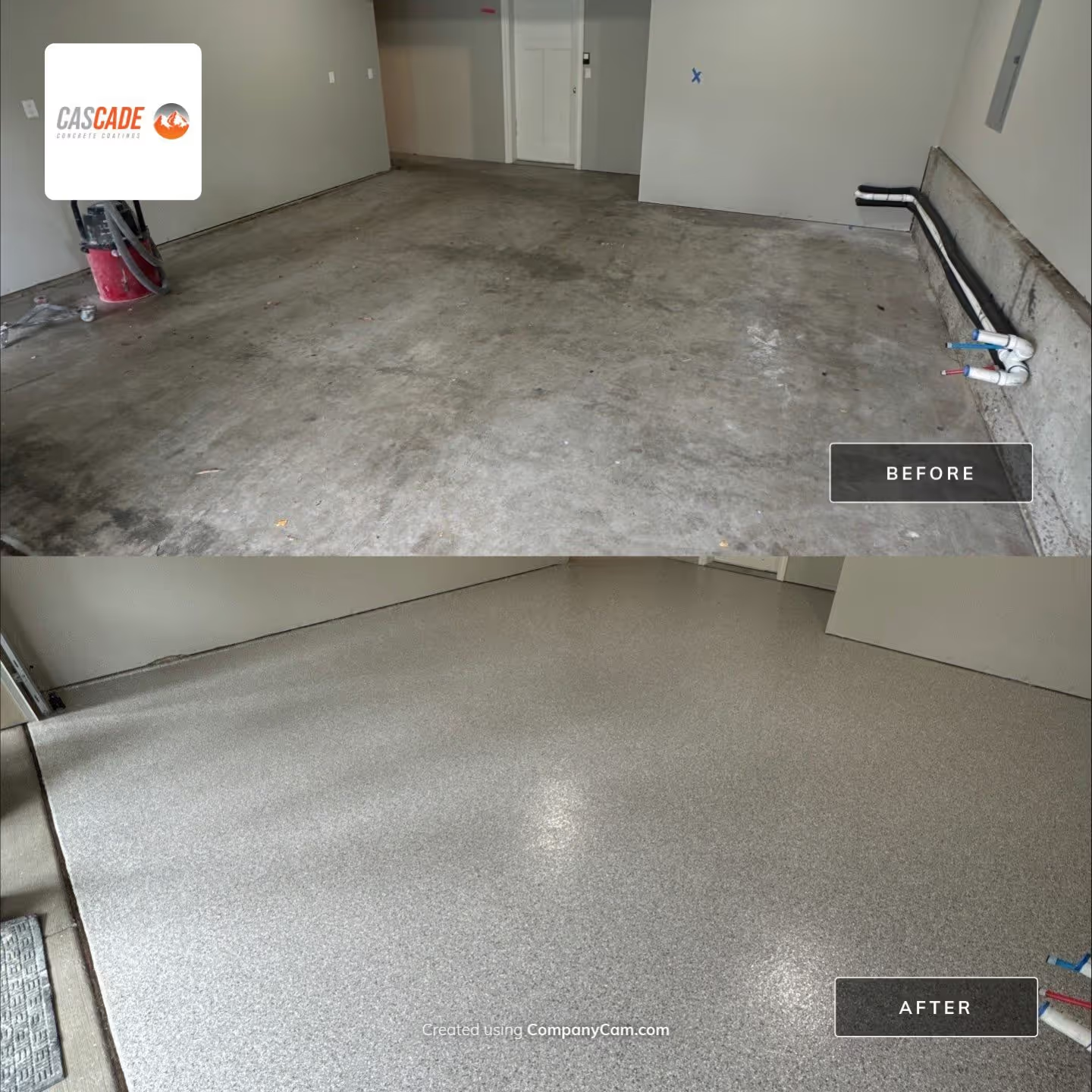
A Kirkland homeowner invested in a certified Penntek polyurea coating system, transforming their aging garage into a pristine, easy-to-clean space with a 30-40 year lifespan—eliminating the need for repeated refinishing.
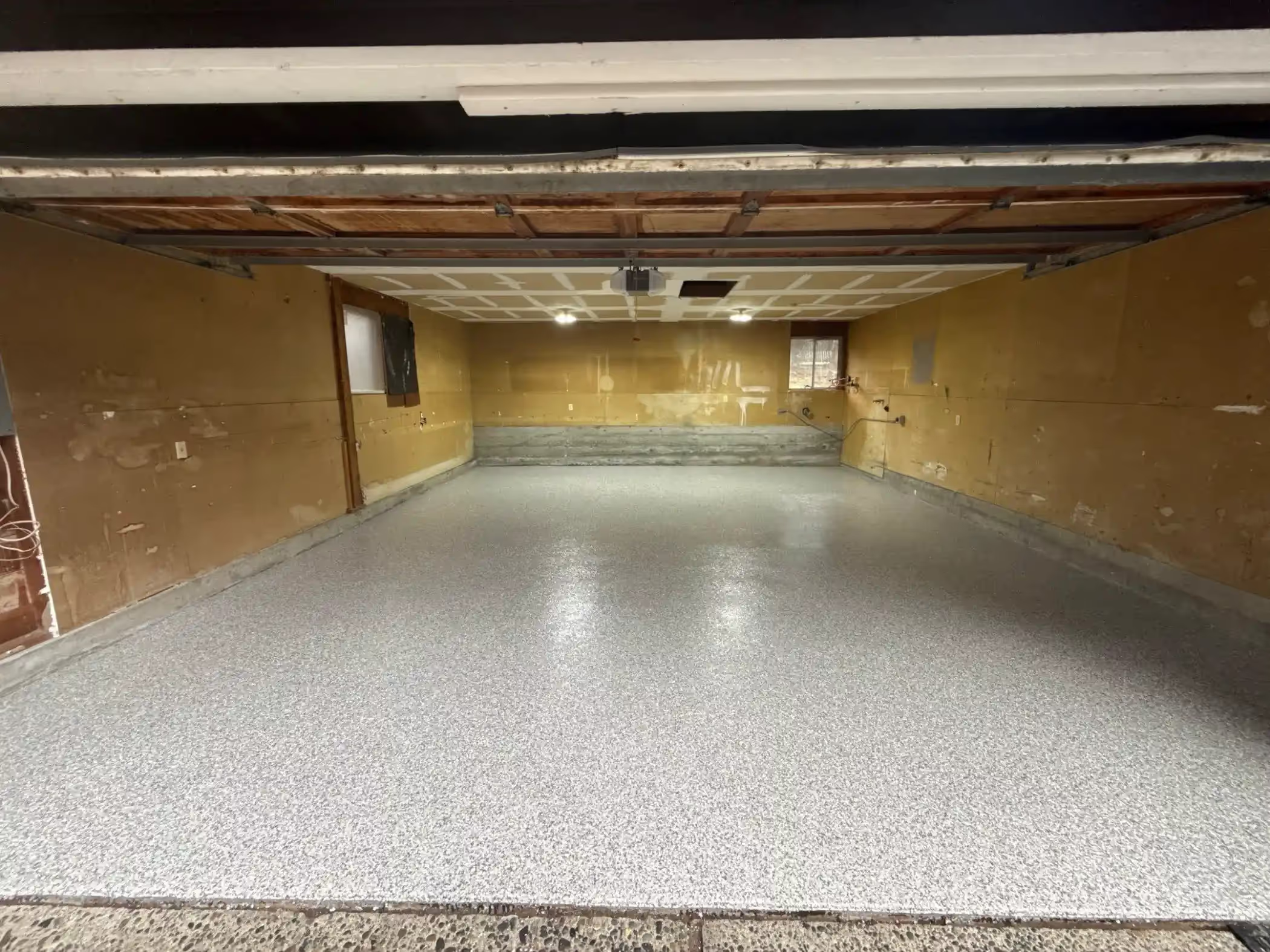

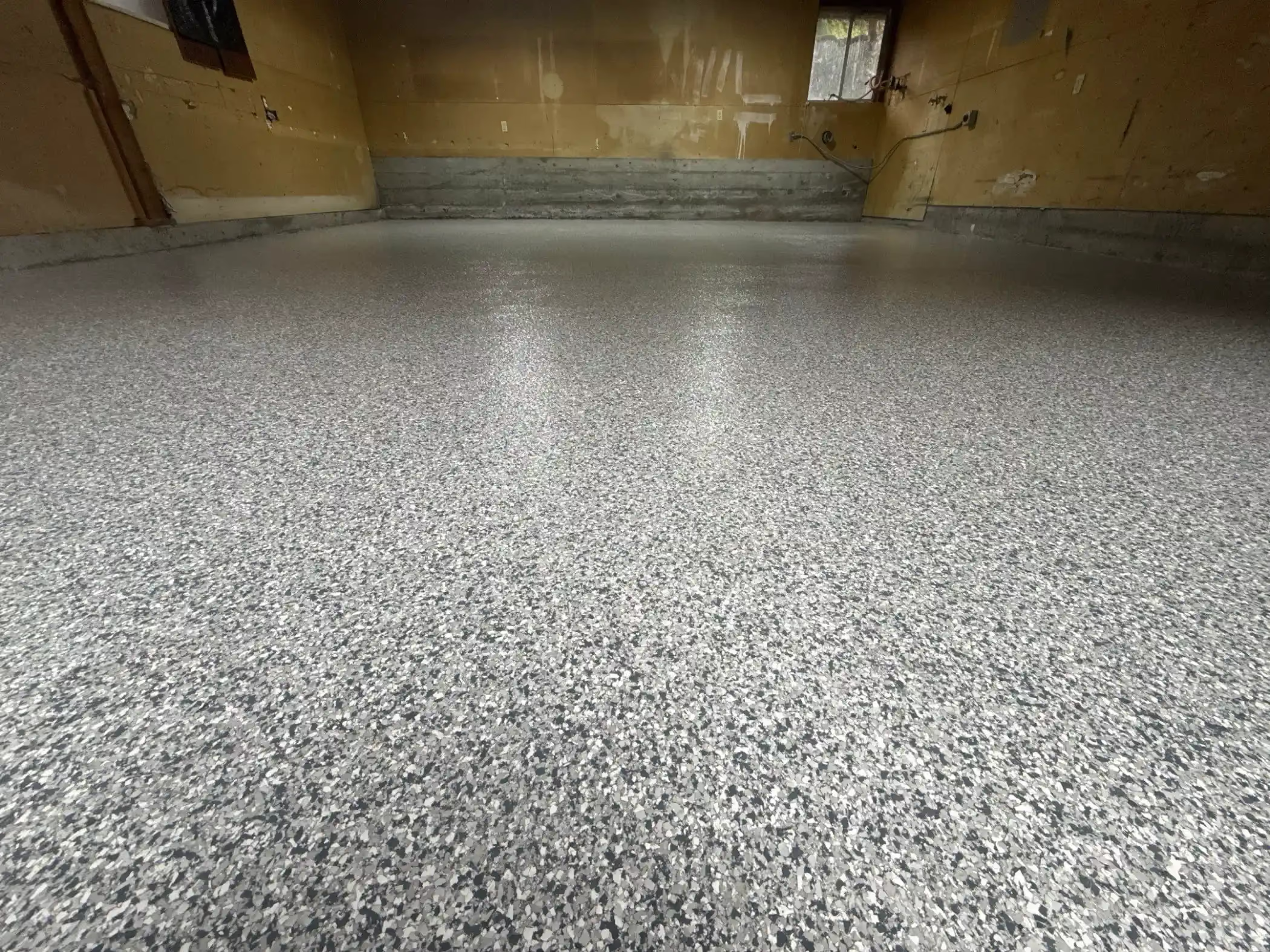
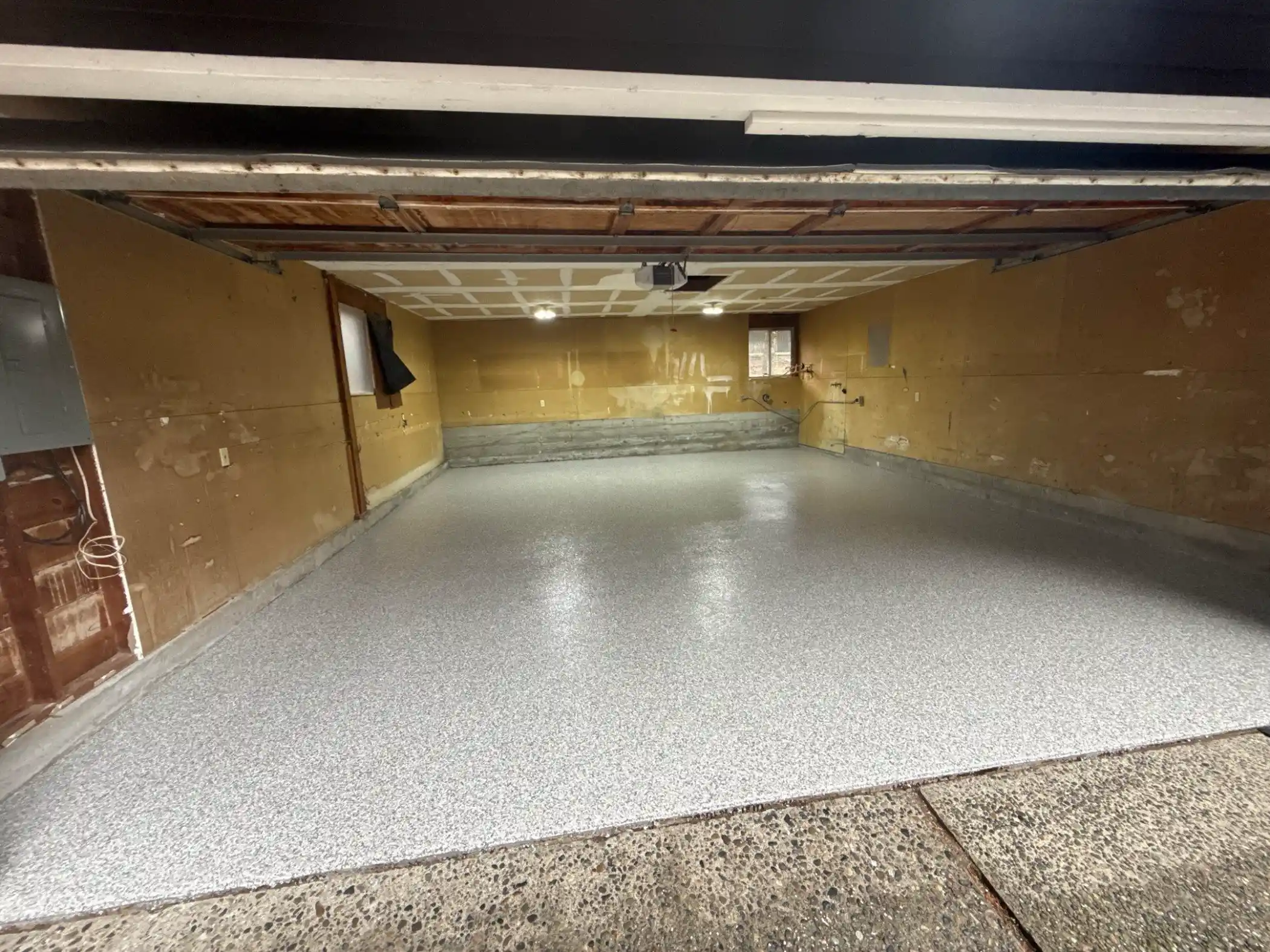
When this Kirkland homeowner started shopping for garage floor coatings, they did what most people do—called around for quotes. But somewhere along the way, they started asking a different question. Instead of "how much does this cost?", they started asking "what's this going to look like in five years?"
That one question completely changed the conversation. Because here's the thing—pretty much every coating looks great on day one. The photo you see in this blog? Any decent contractor could deliver that finish. The real question is whether it still looks this good in 2030.
Through multiple consultations, this homeowner started piecing together some uncomfortable truths about the garage coating business. Turns out, most of the "cheap" options aren't actually cheap—they're just spreading the cost out over multiple installations.
Think about it this way: That $2,800 epoxy floor sounds great until year four when it starts yellowing. Or when hot tire marks won't come out. Or when you realize you can't use regular cleaners without causing damage. Suddenly you're looking at another $3,000 to redo it, and you're hauling everything out of your garage again.
The difference between polyurea and epoxy isn't just chemistry jargon—it's about whether you're solving this problem once or whether you're signing up for a hobby of replacing your garage floor every 5-7 years.
Here's what this homeowner learned actually determines how long a floor lasts:
Moisture Testing - Concrete that looks dry can have moisture levels that'll cause coatings to bubble within two years. We actually test for this with meters, not guesswork.
Real Preparation - Grinding the concrete properly isn't optional. It's the difference between coatings that bond and coatings that eventually peel. The prep work takes longer than the actual coating application.
Crack Repair - Every crack is a future failure point. We don't just fill them—we actually repair them so they don't telegraph through the coating.
UV Stability - If you've got windows in your garage or leave the door open, UV exposure will yellow most standard topcoats. FadeLock technology isn't marketing fluff—it's the reason this floor won't look dingy in three years.
This Kirkland homeowner could've saved $2,000 going with a basic epoxy option. But after understanding what causes coatings to fail—and what it costs to replace them—they realized that wasn't actually saving money. It was just deferring problems.
The garage now actually functions as usable space. You can drop tools without worrying. Spills wipe up easily. The floor reflects light and makes the whole space feel bigger. But most importantly, this homeowner isn't wondering when they'll need to deal with this again.
They chose a certified Penntek system because they wanted to solve this problem once. That's not the right choice for everyone—but if you're planning to stay in your home and actually use your garage, it's worth understanding why coating quality matters more than initial price.
If you're in Kirkland researching garage floor options, let's have an actual conversation about what'll work for your specific concrete and how you actually use the space. No sales pitch—just honest info about what makes coatings succeed or fail.
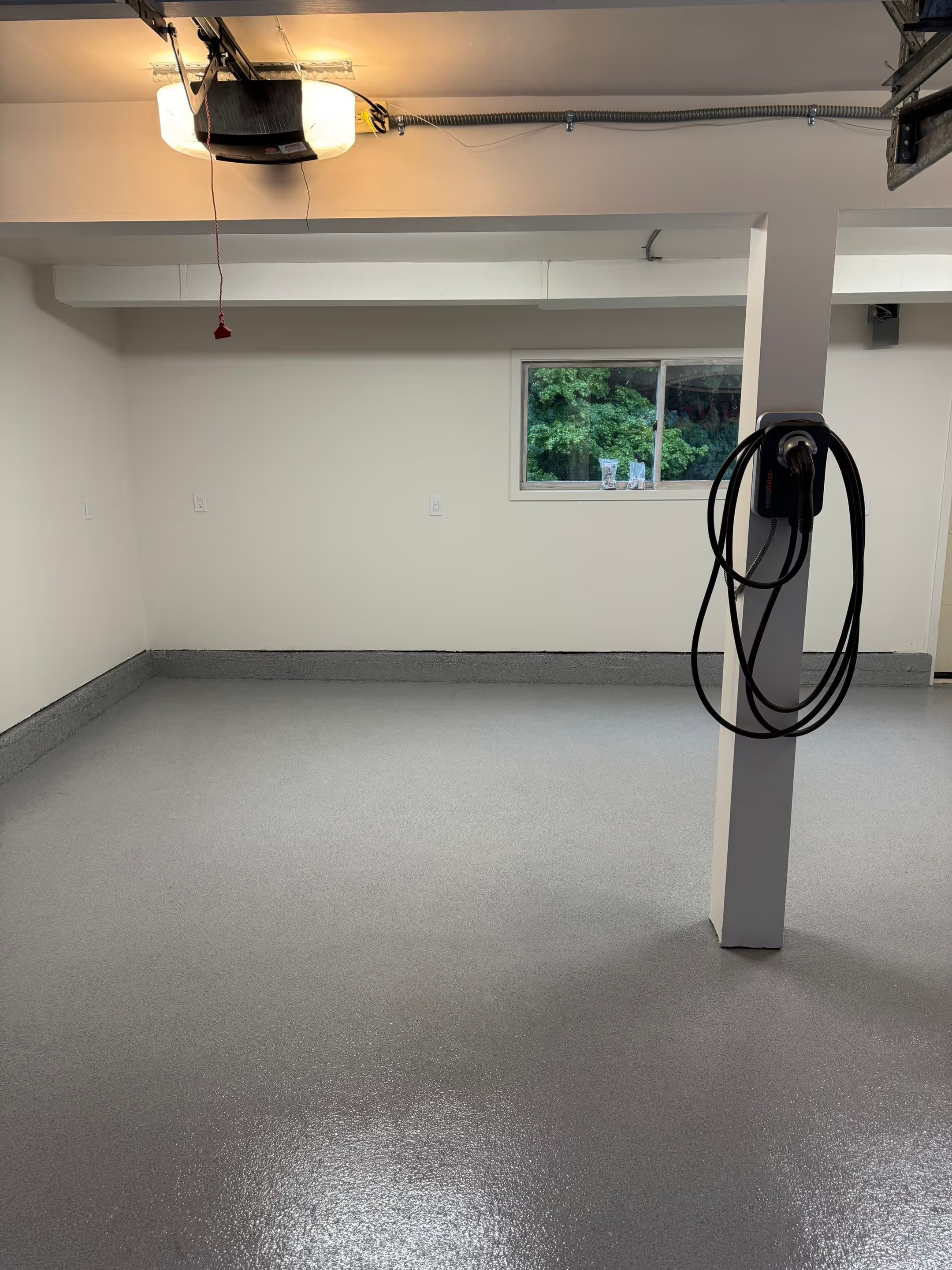
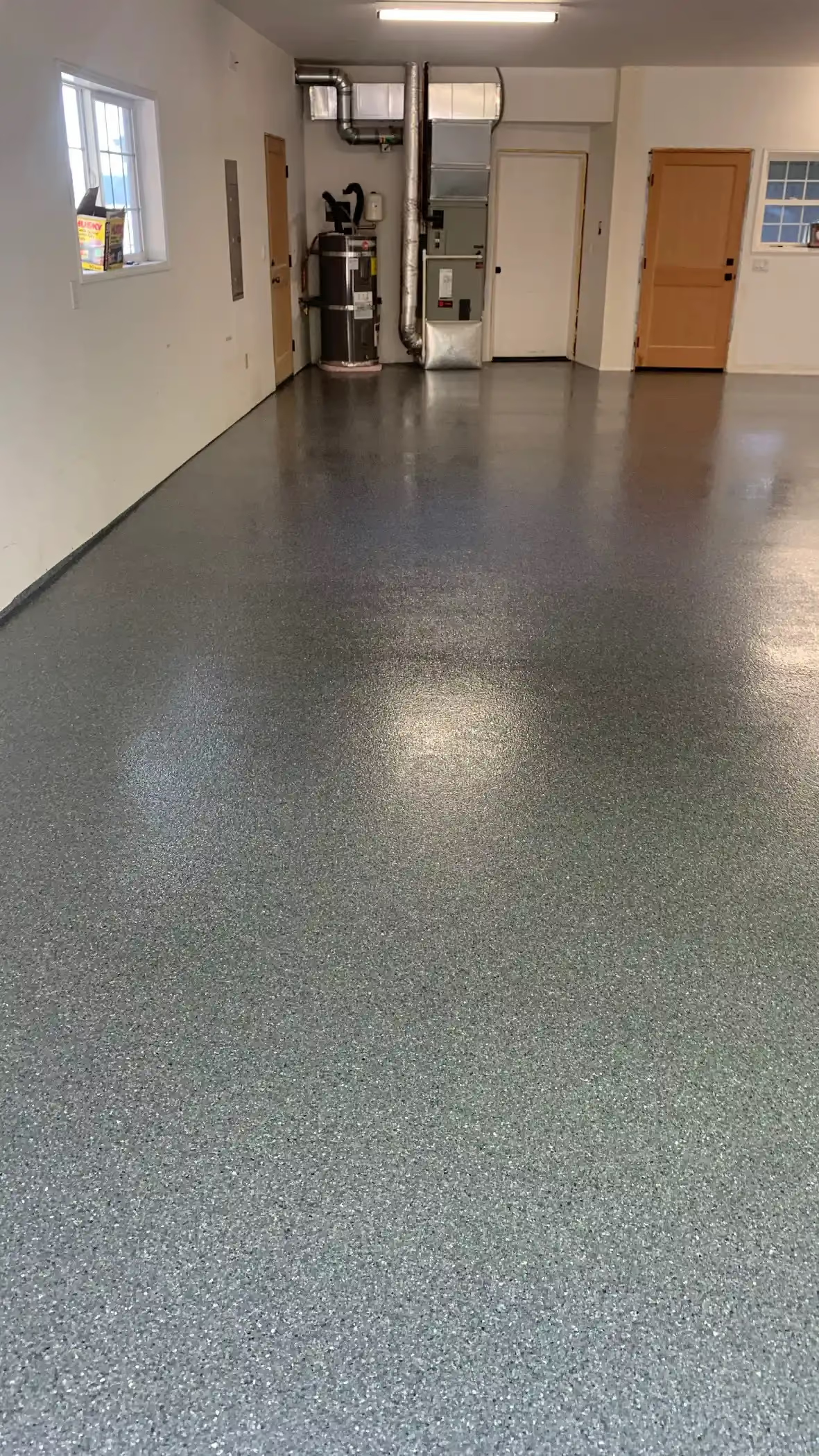
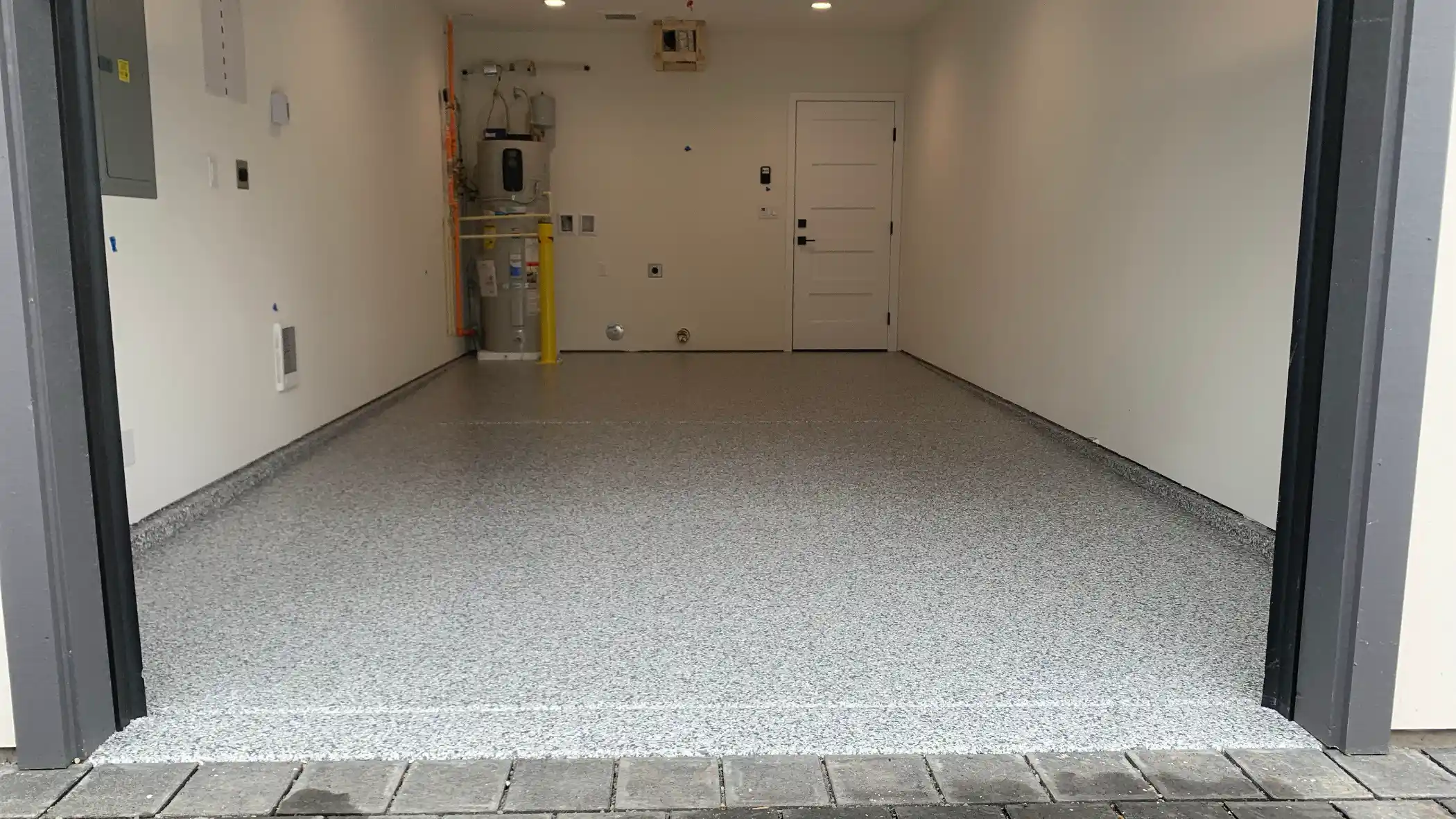
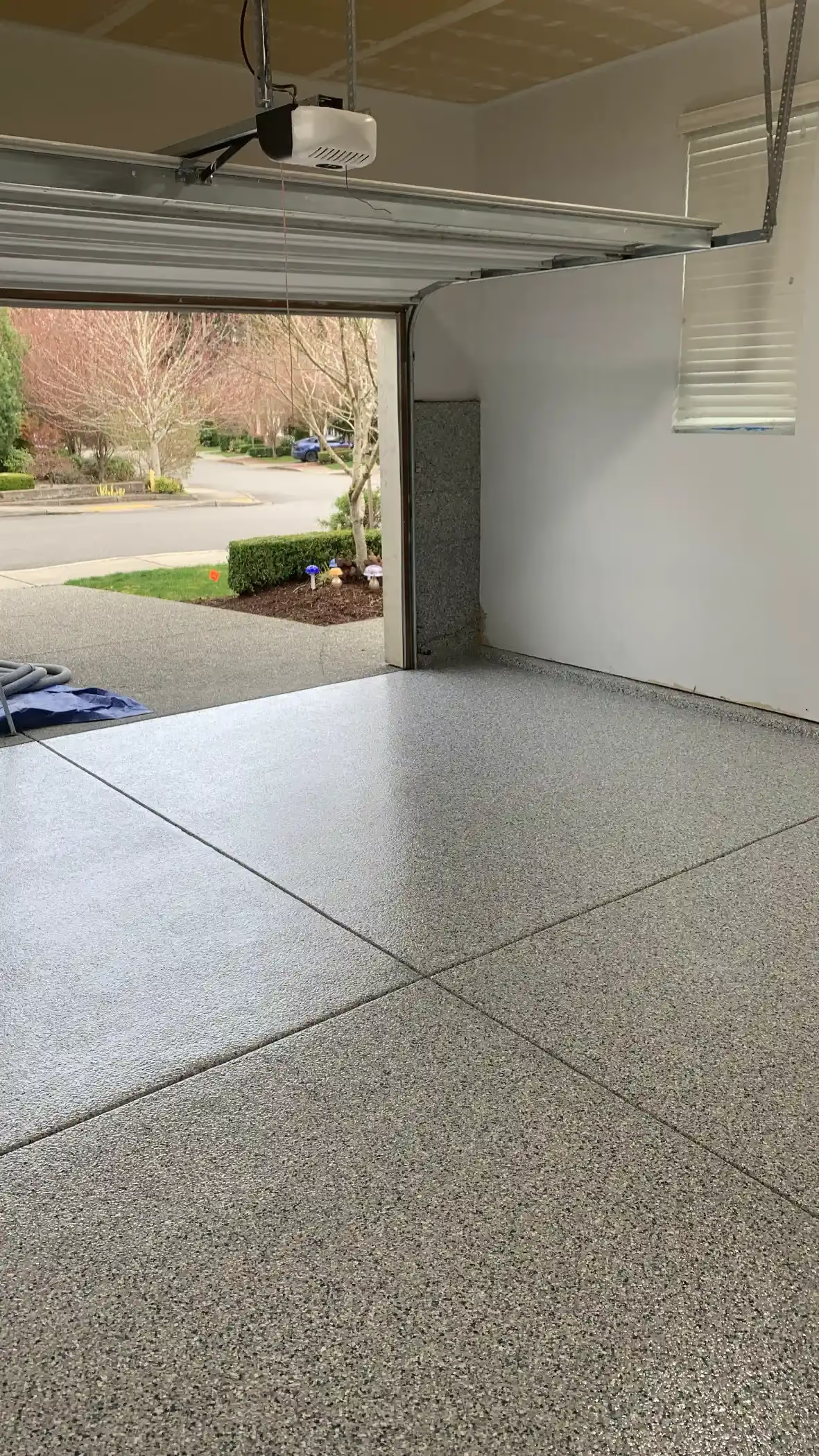
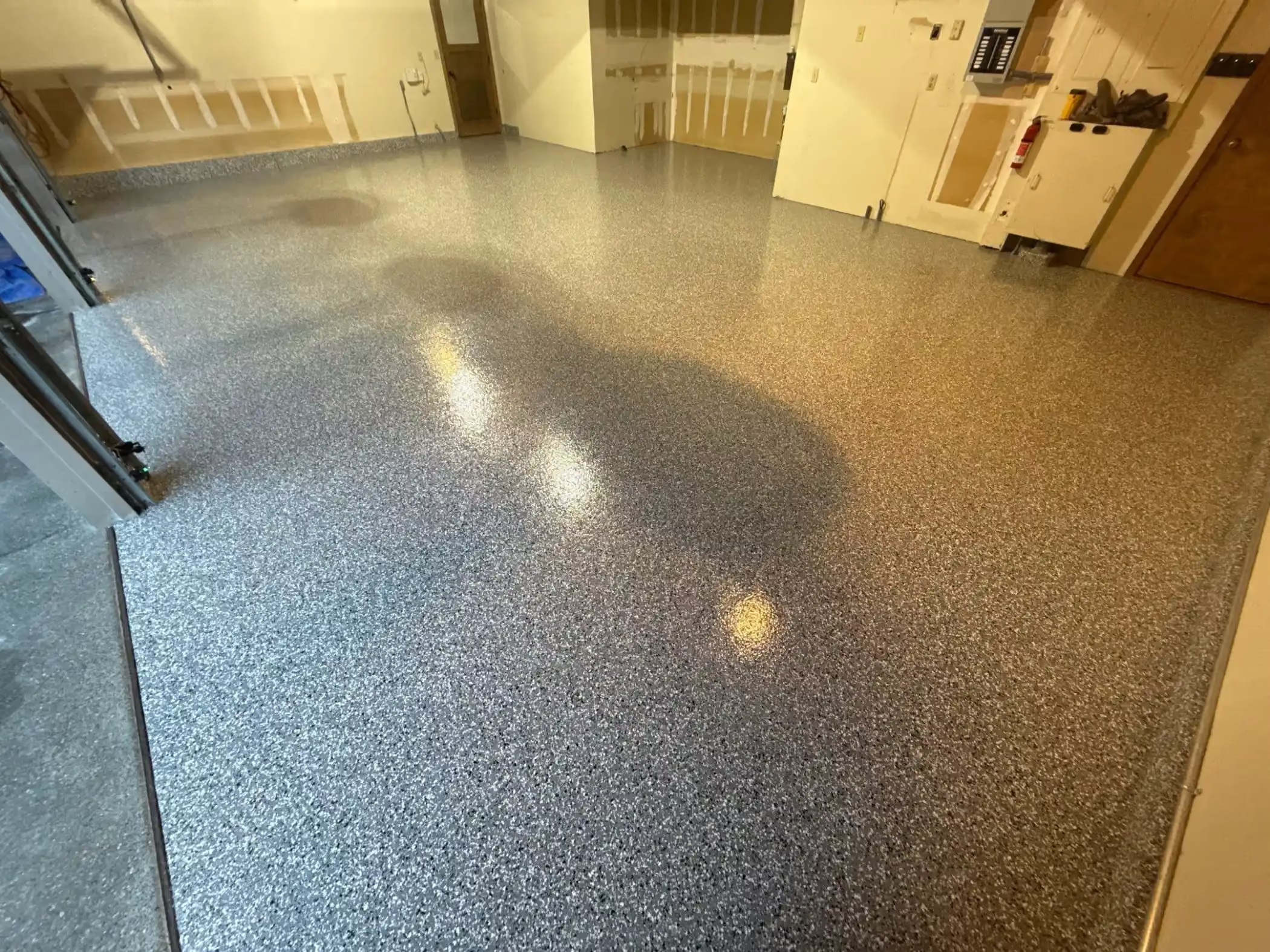
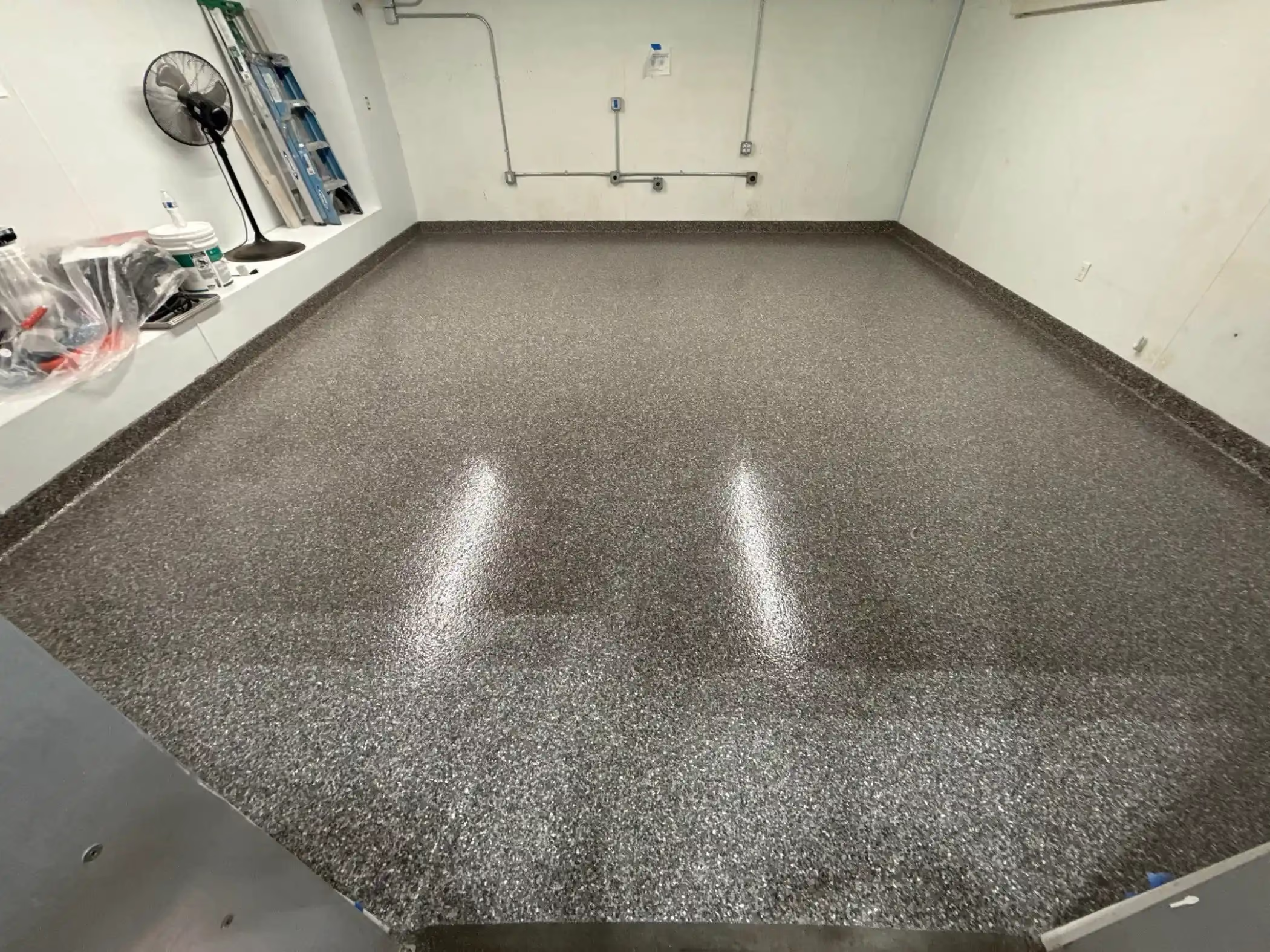
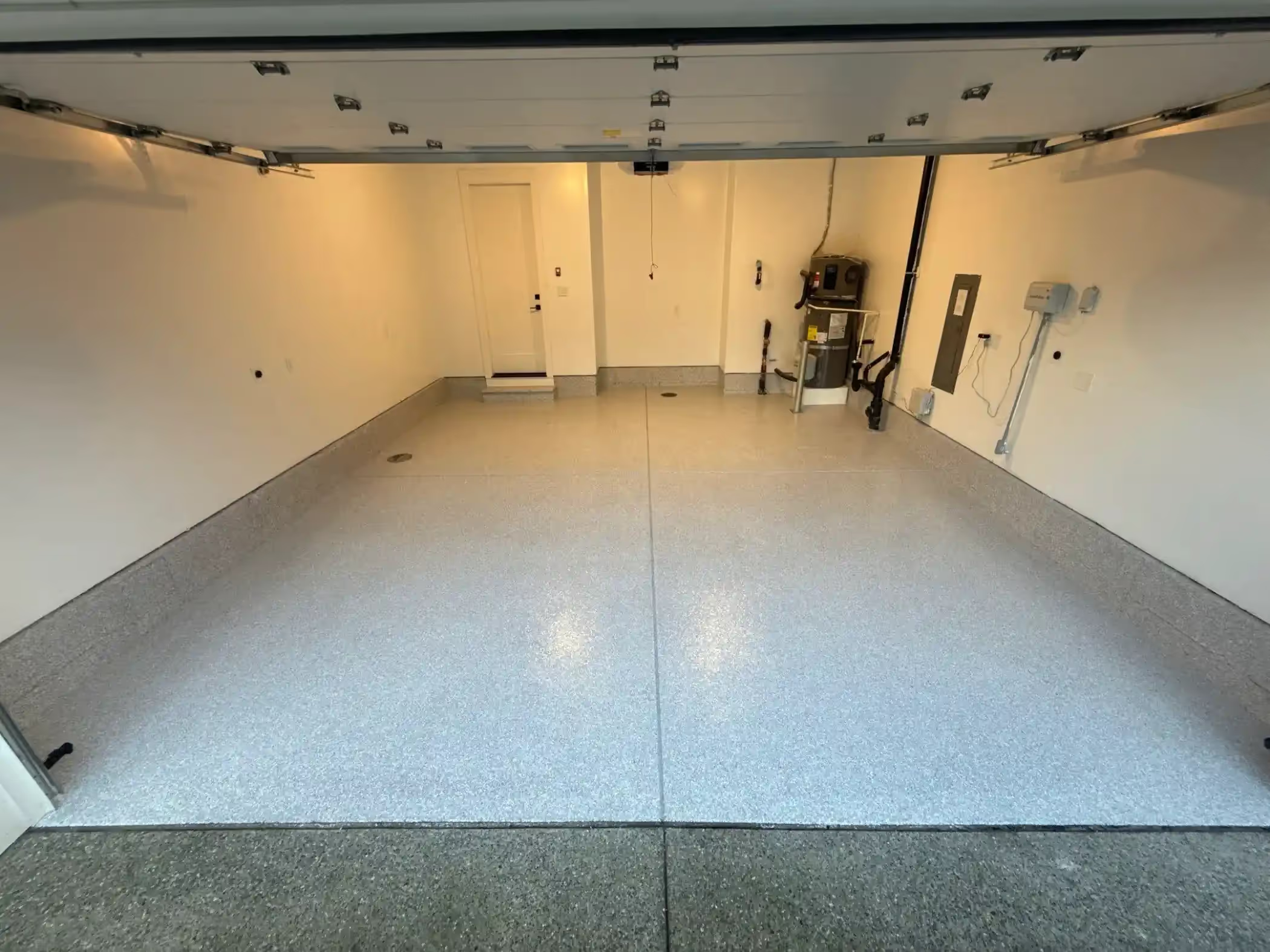
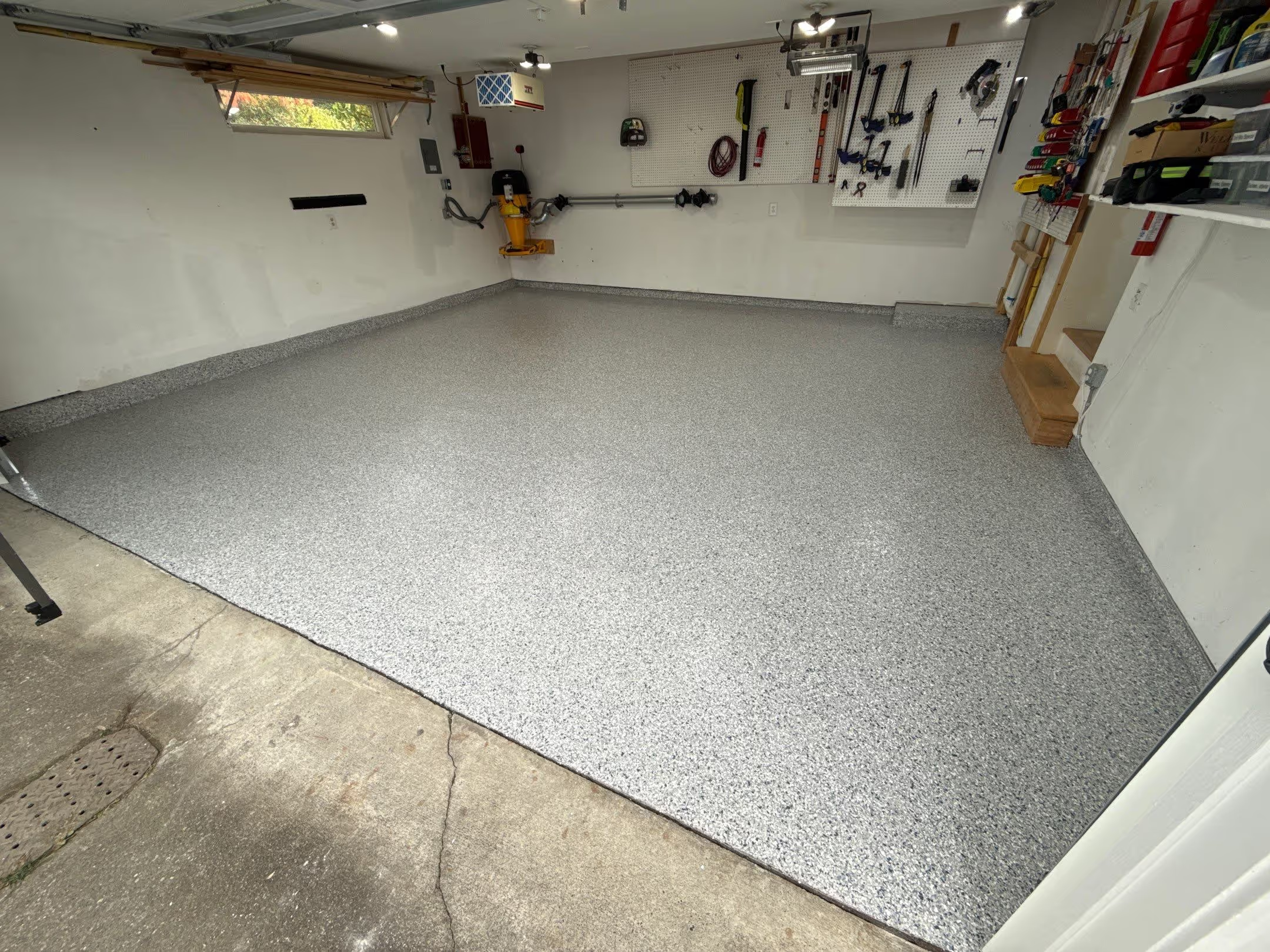
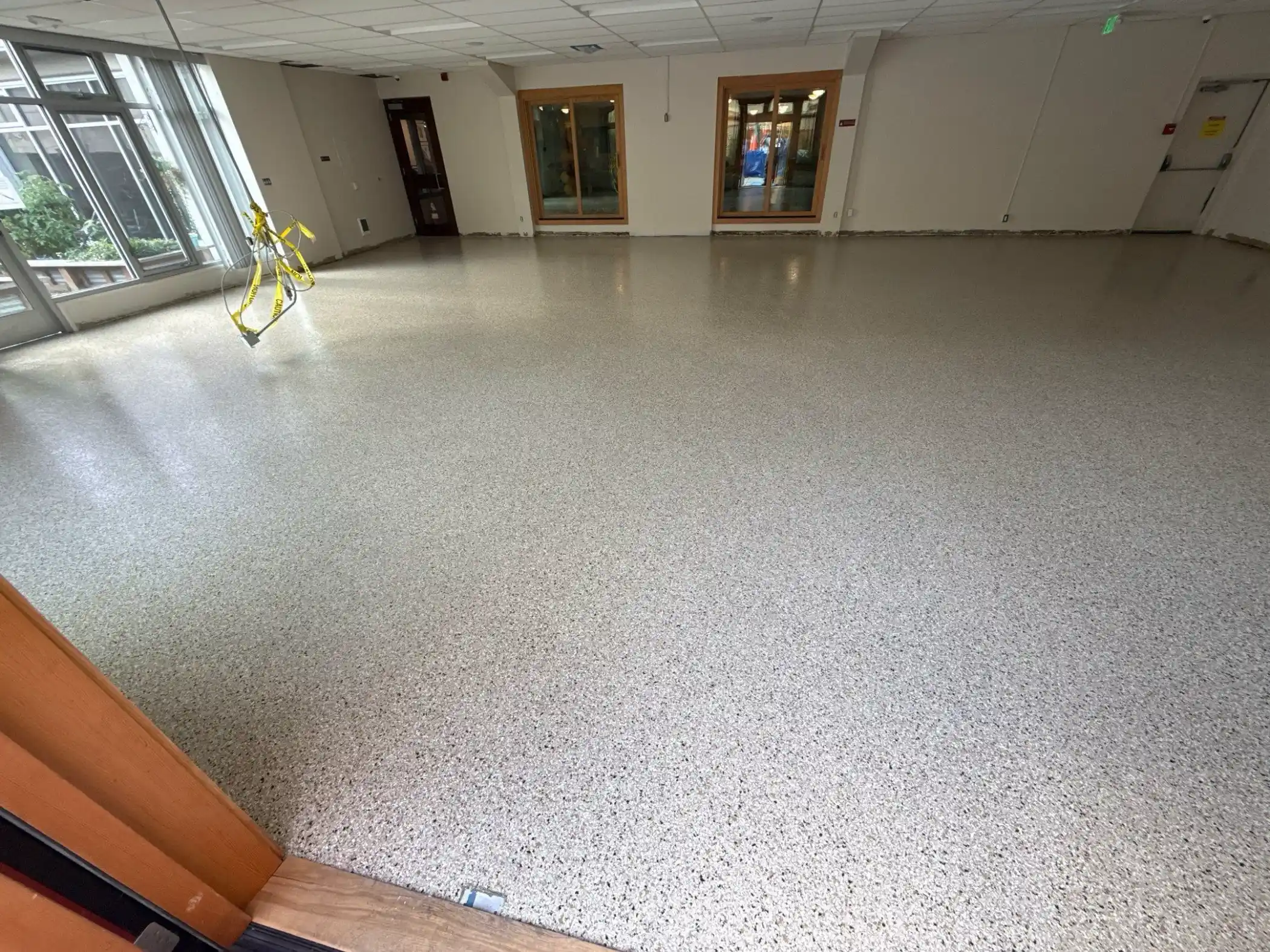
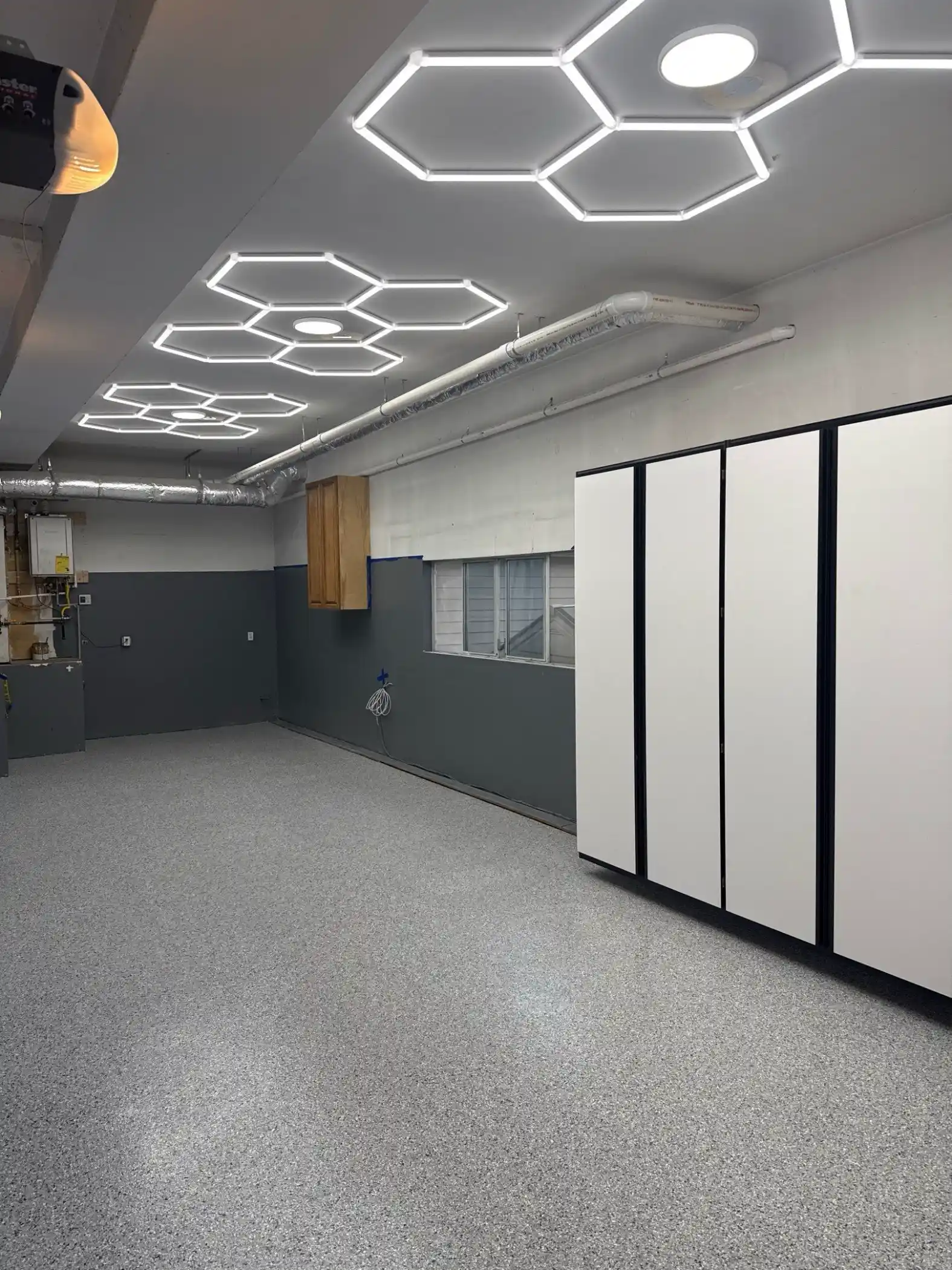
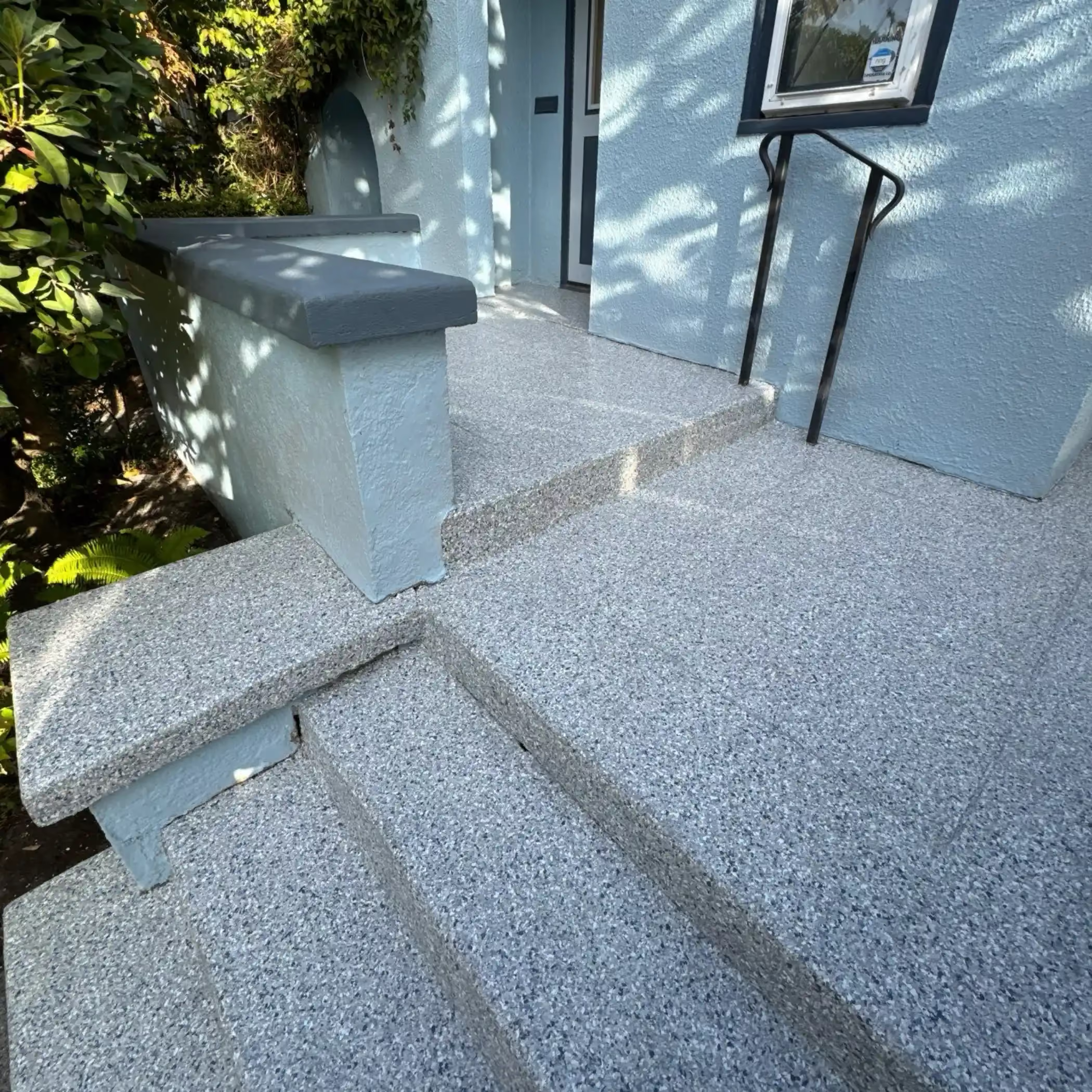
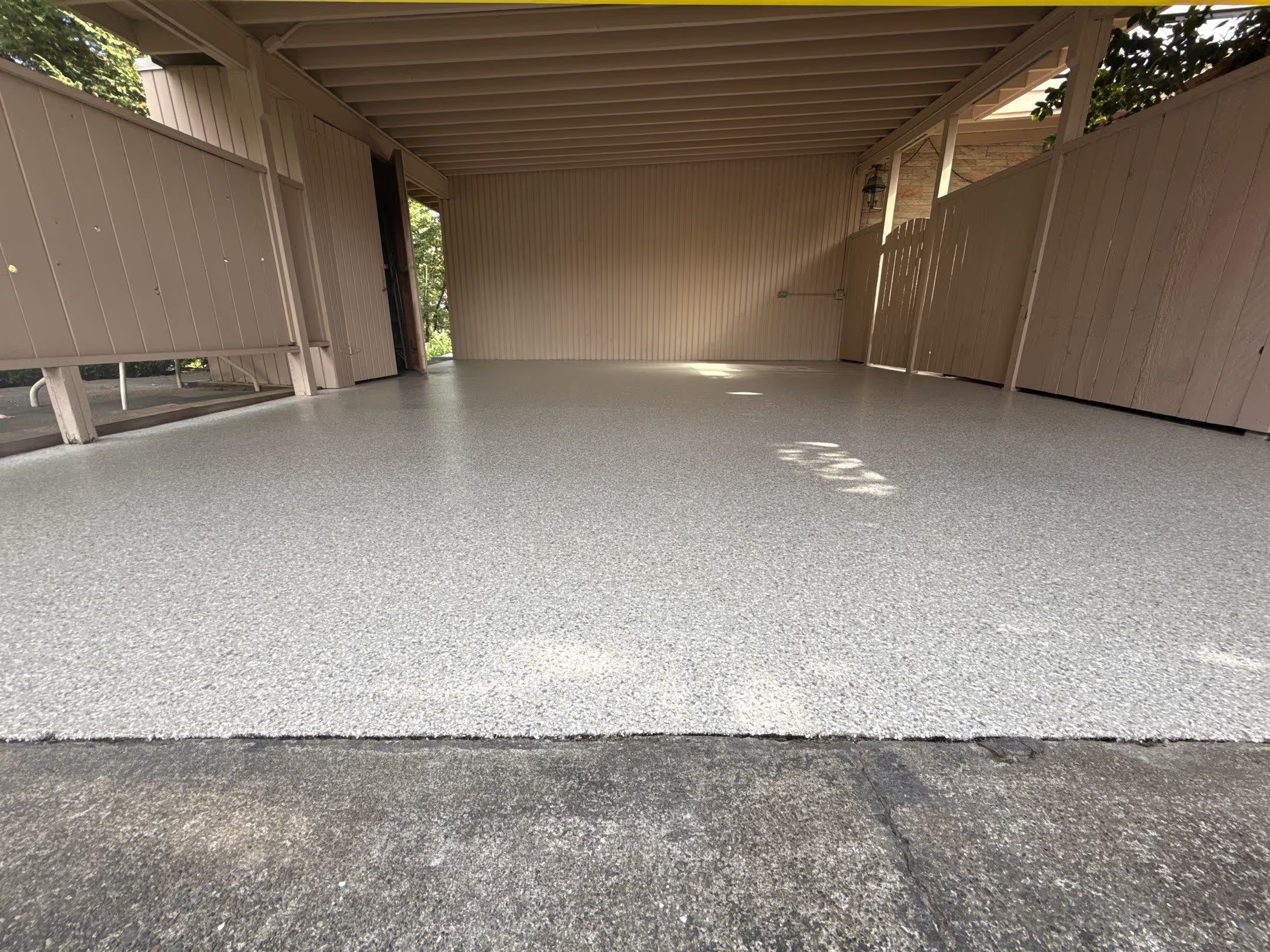
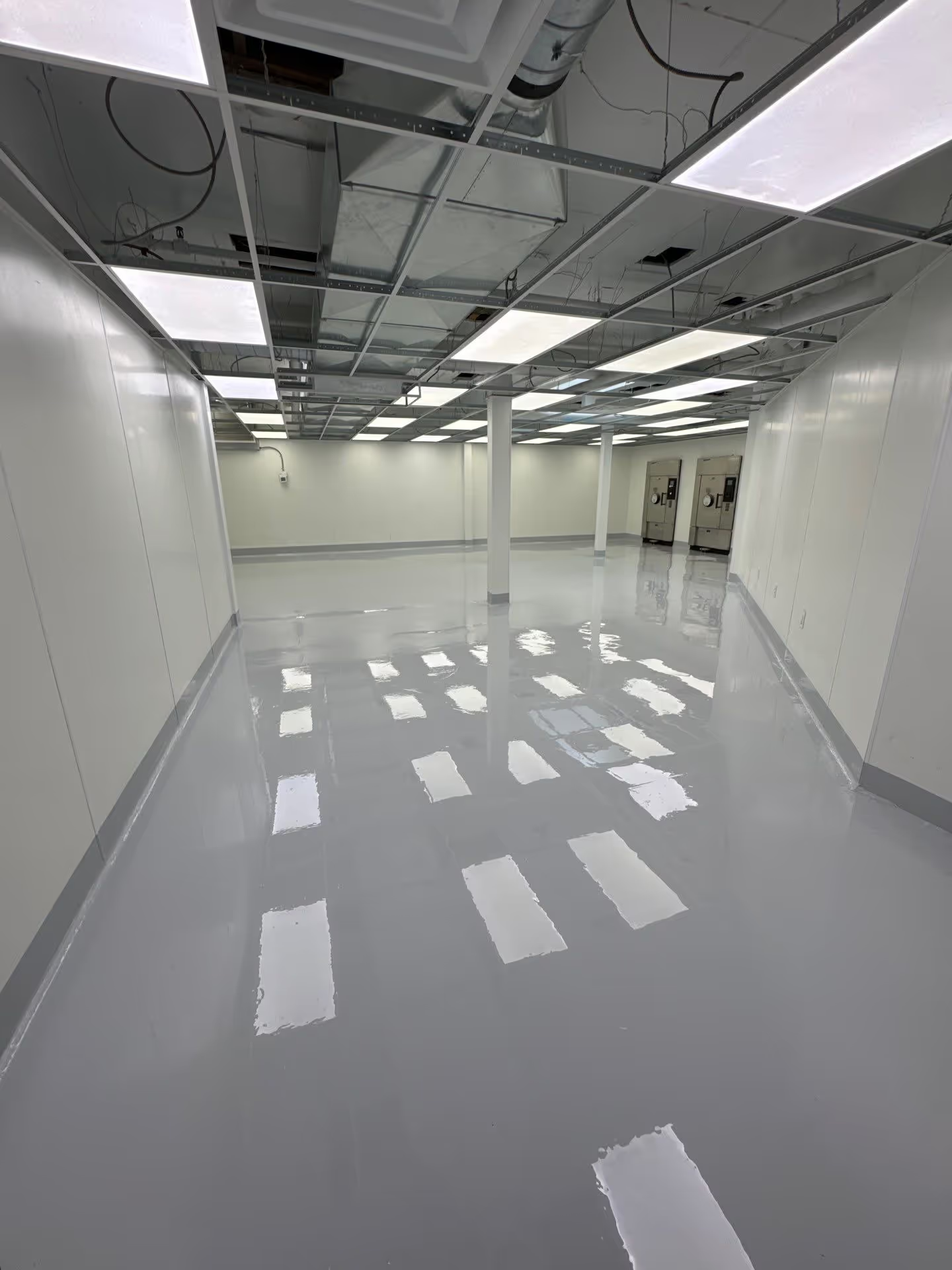
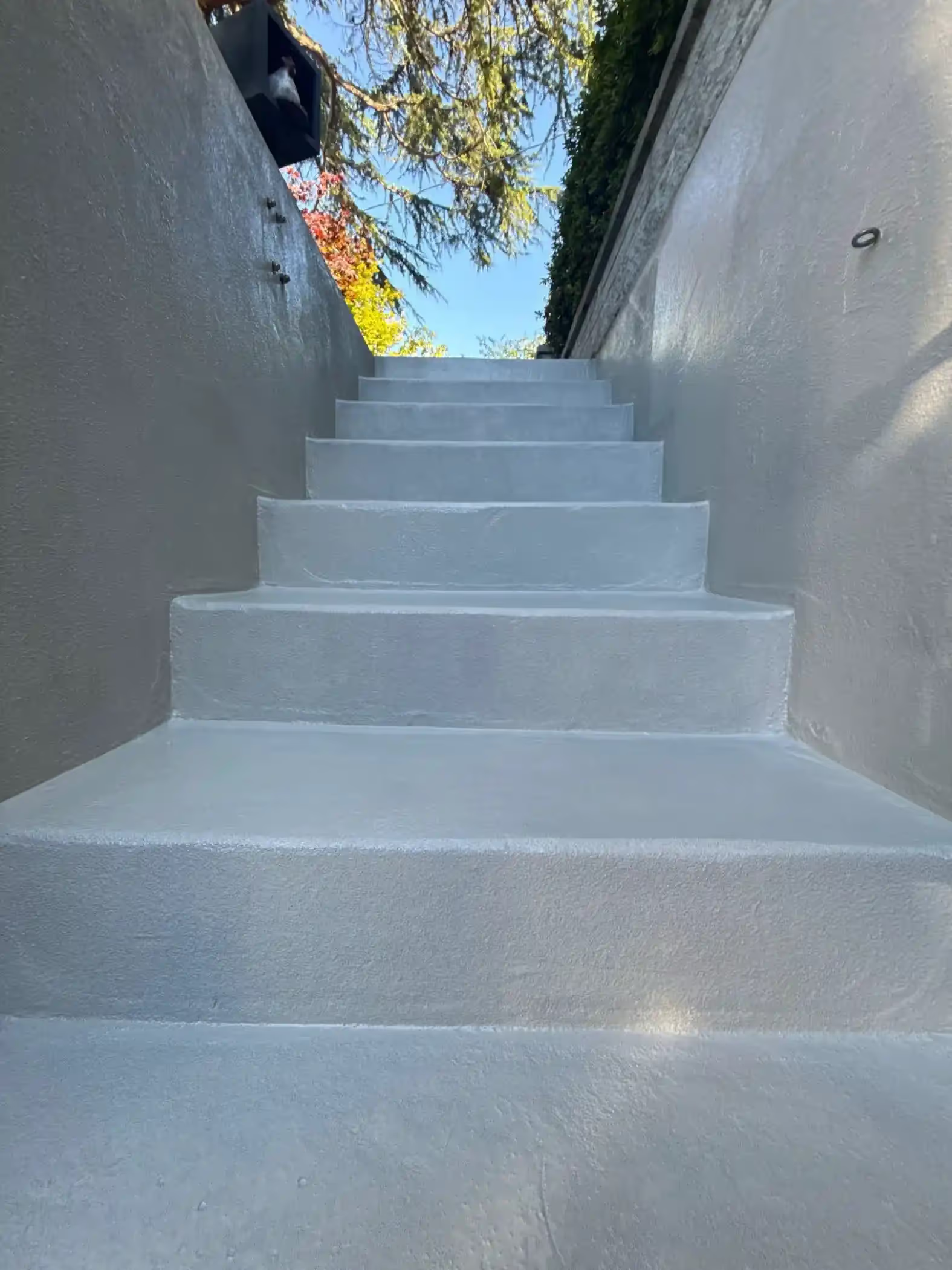
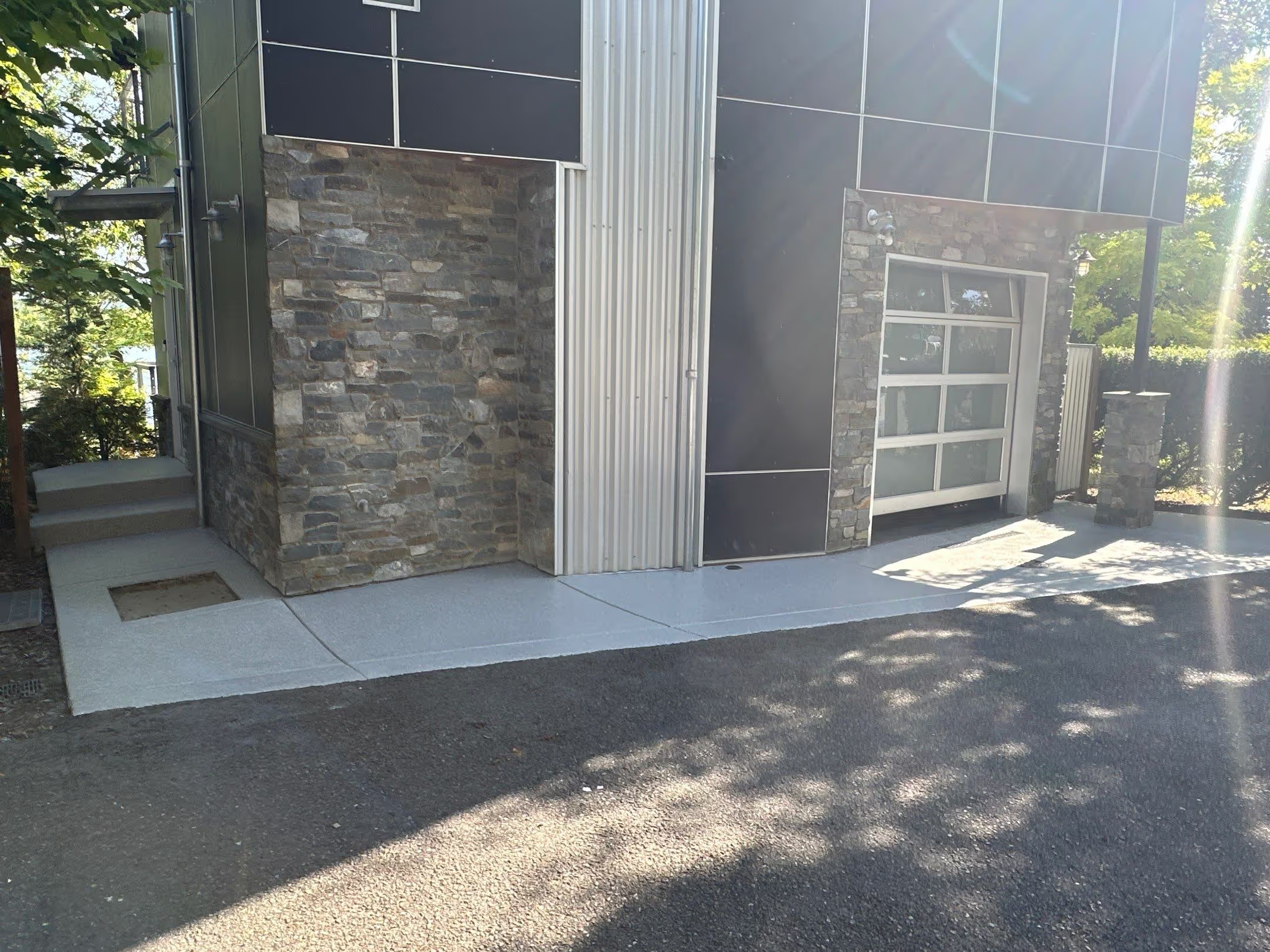
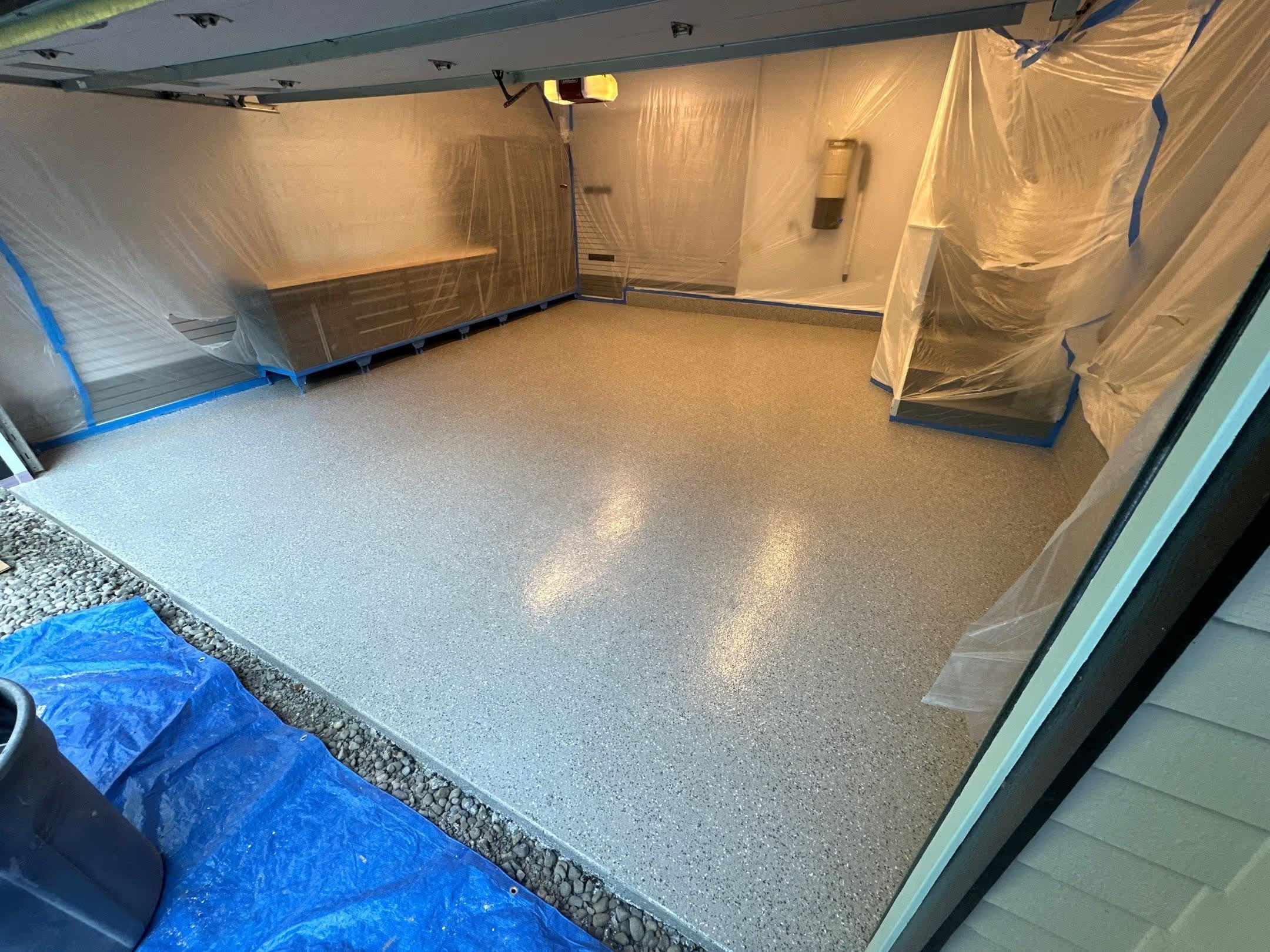
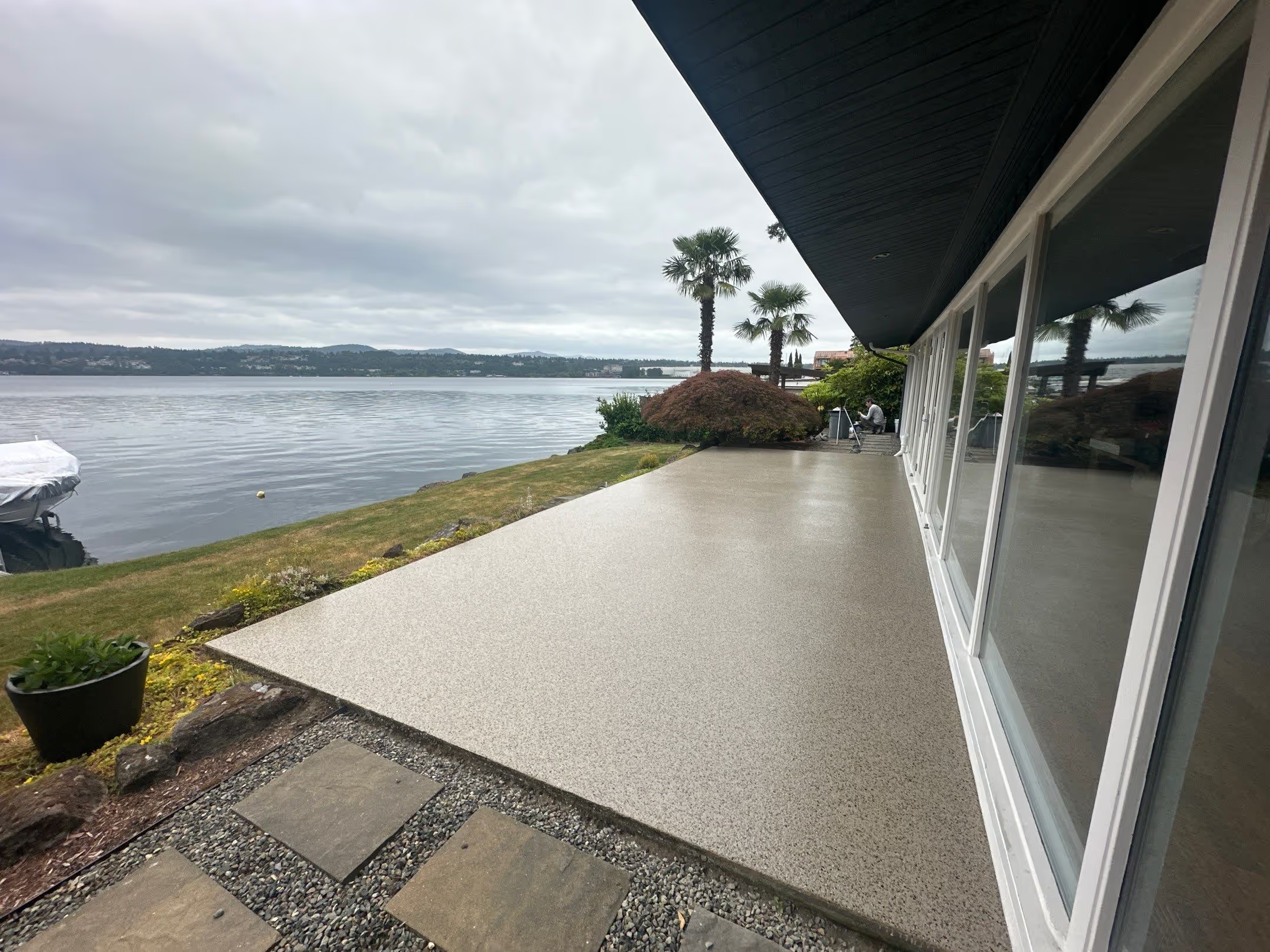
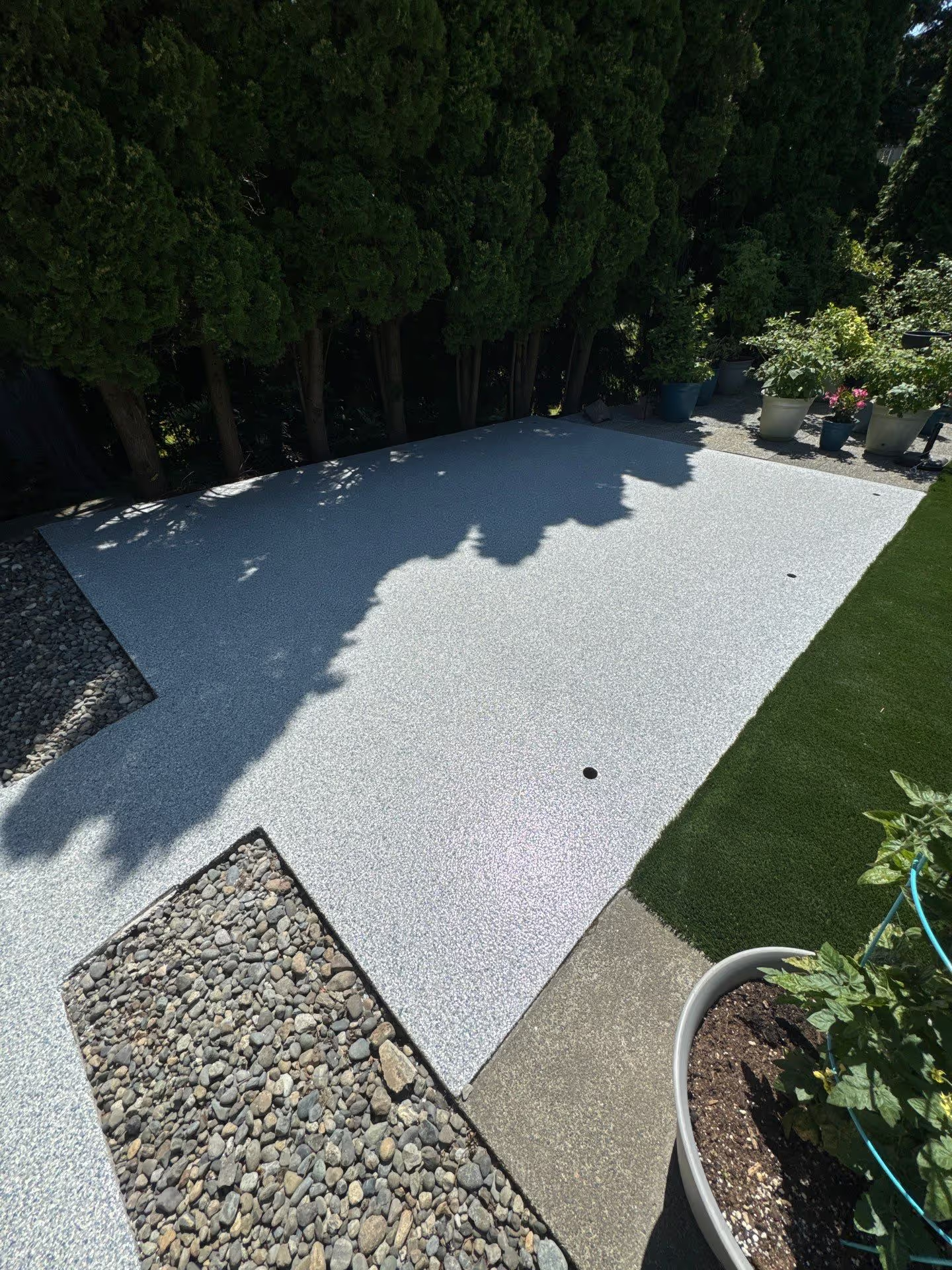
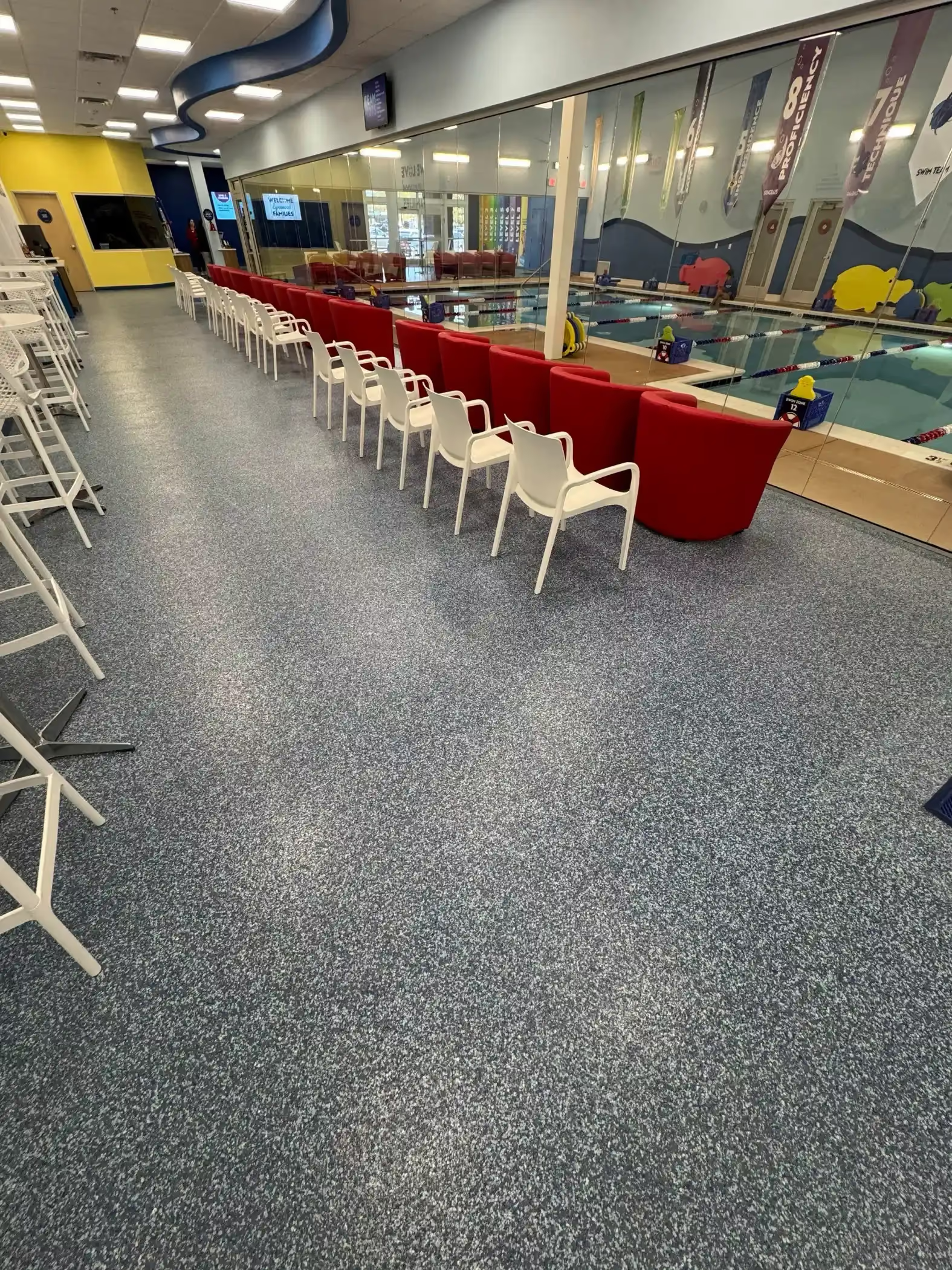
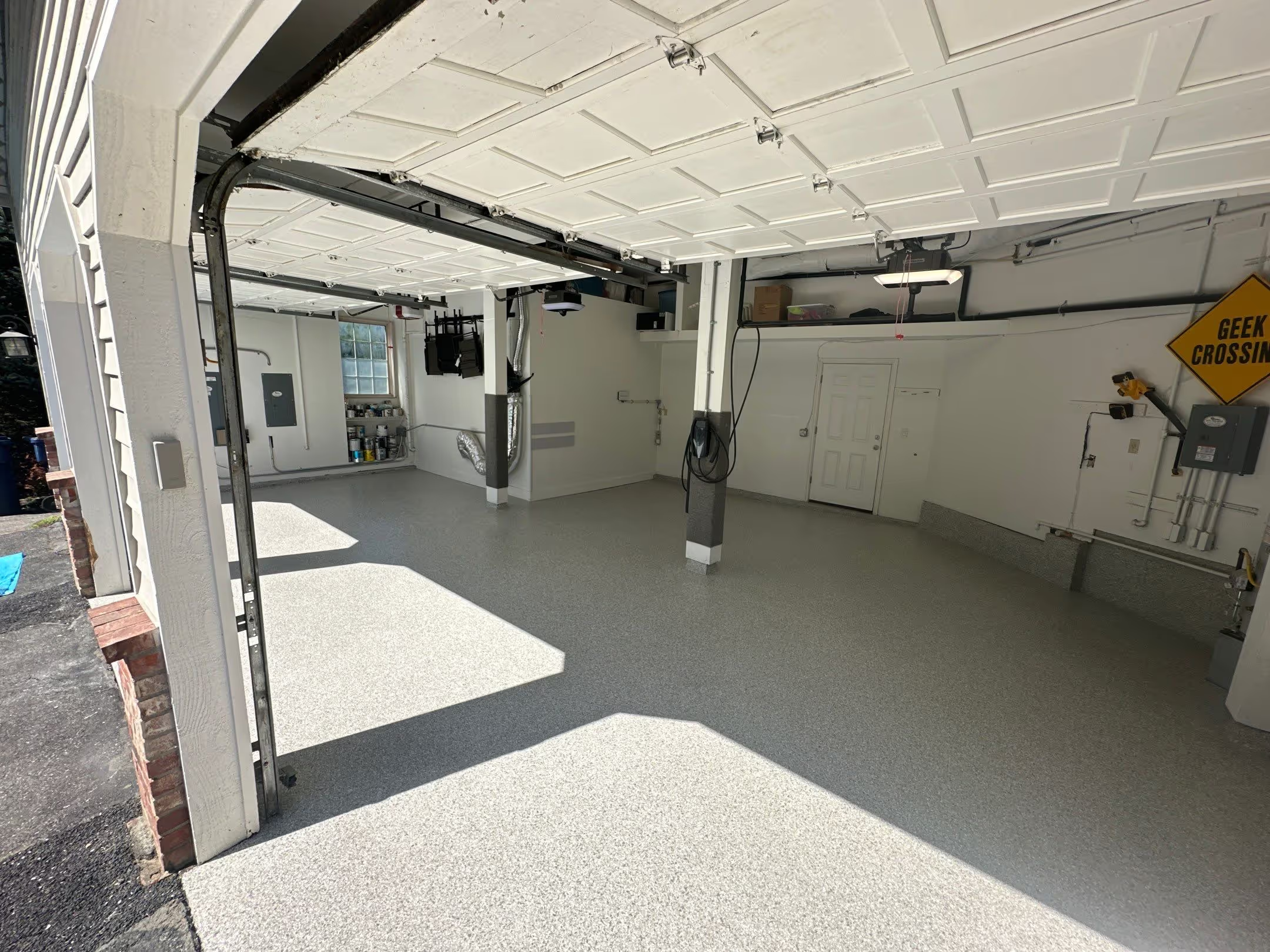
Here's just a few of our previous projects.