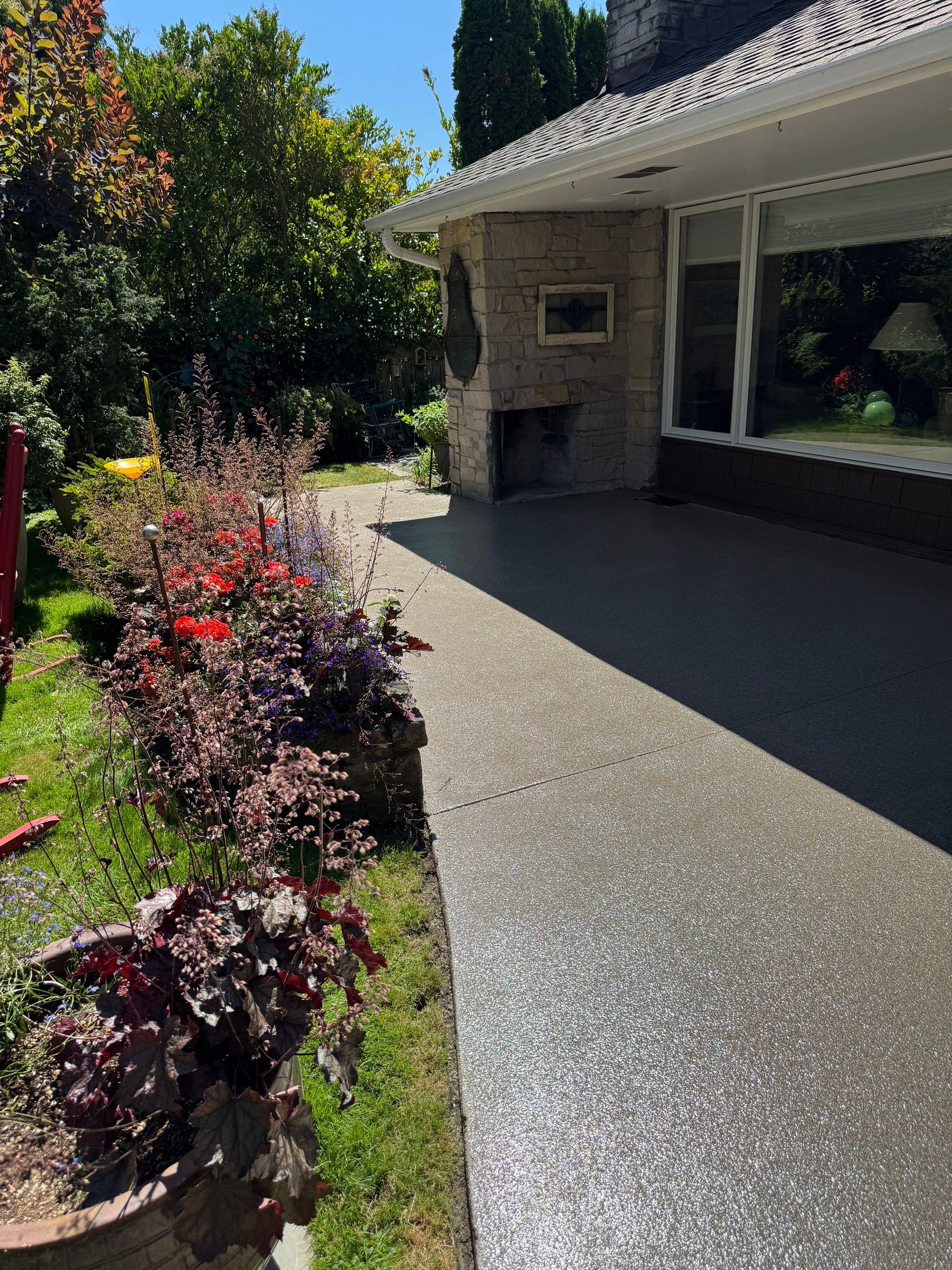
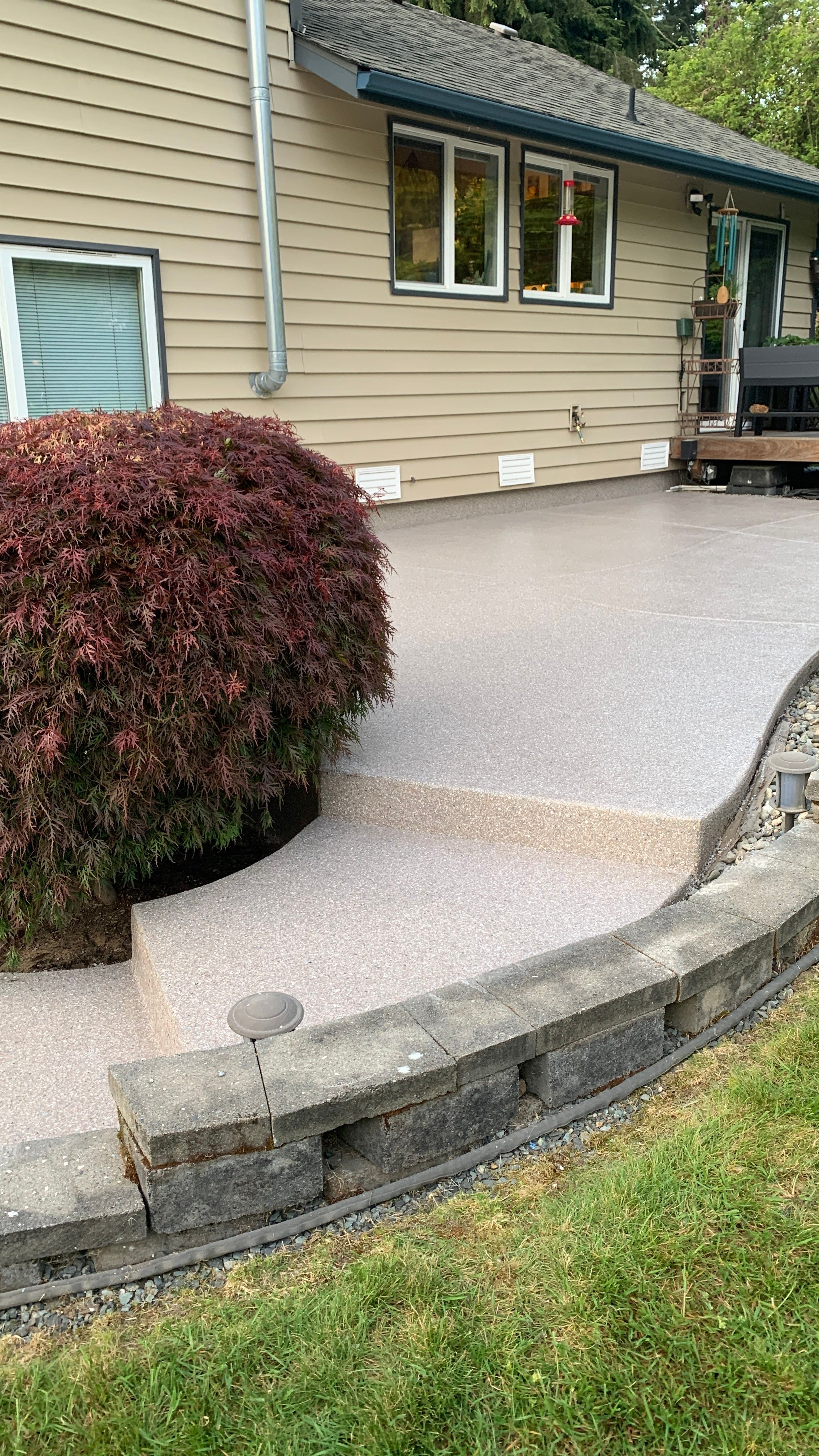
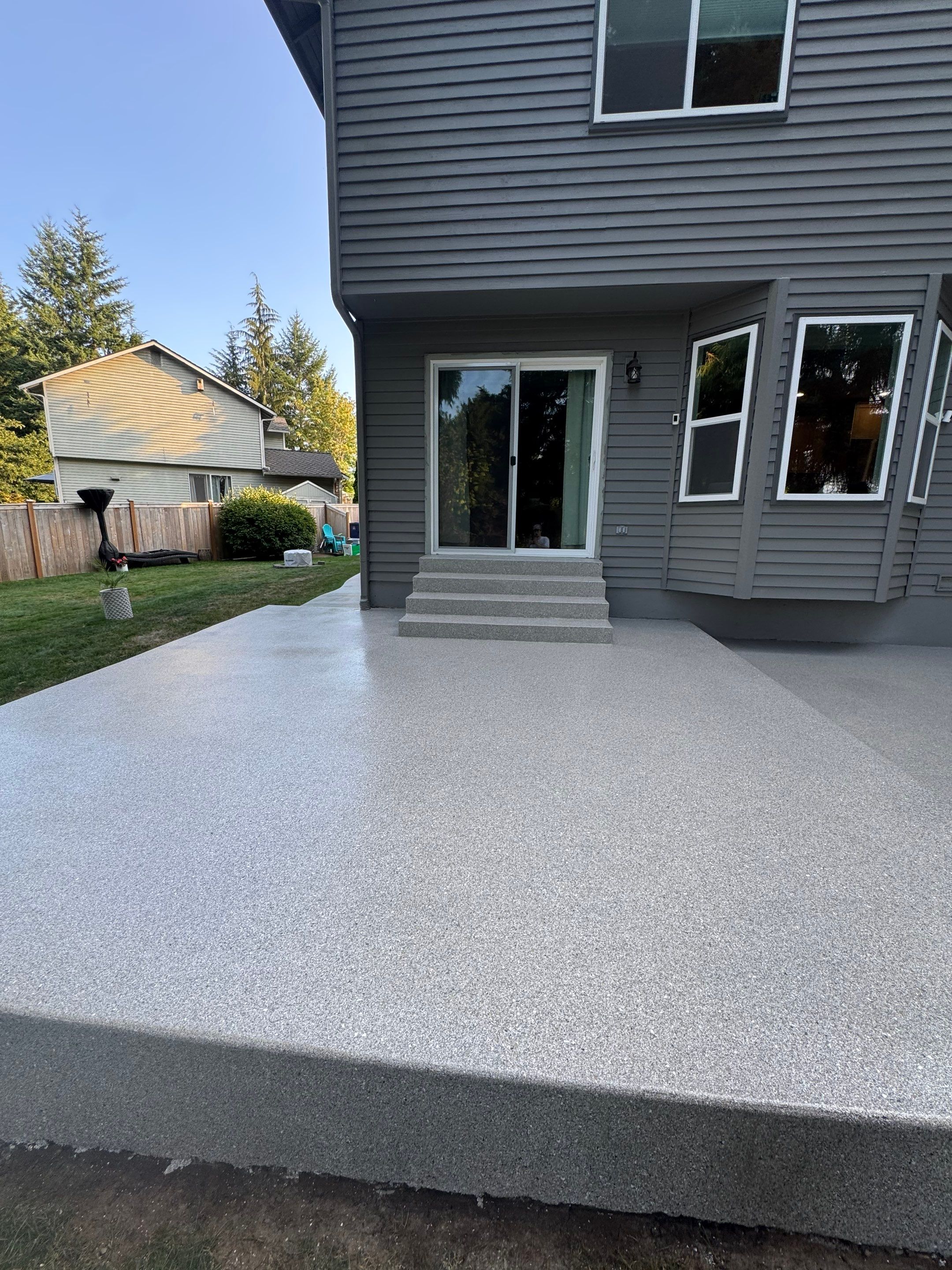
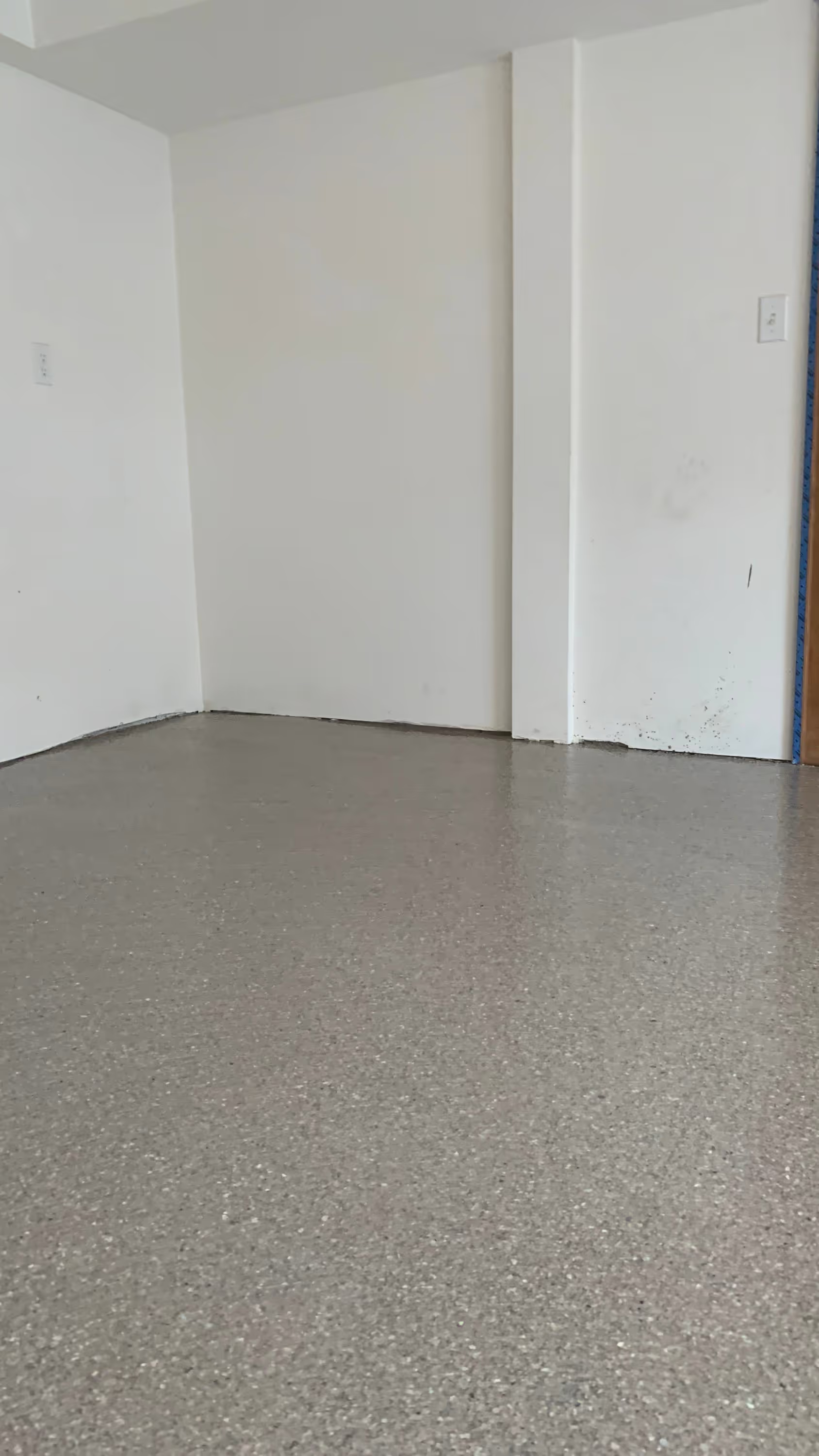
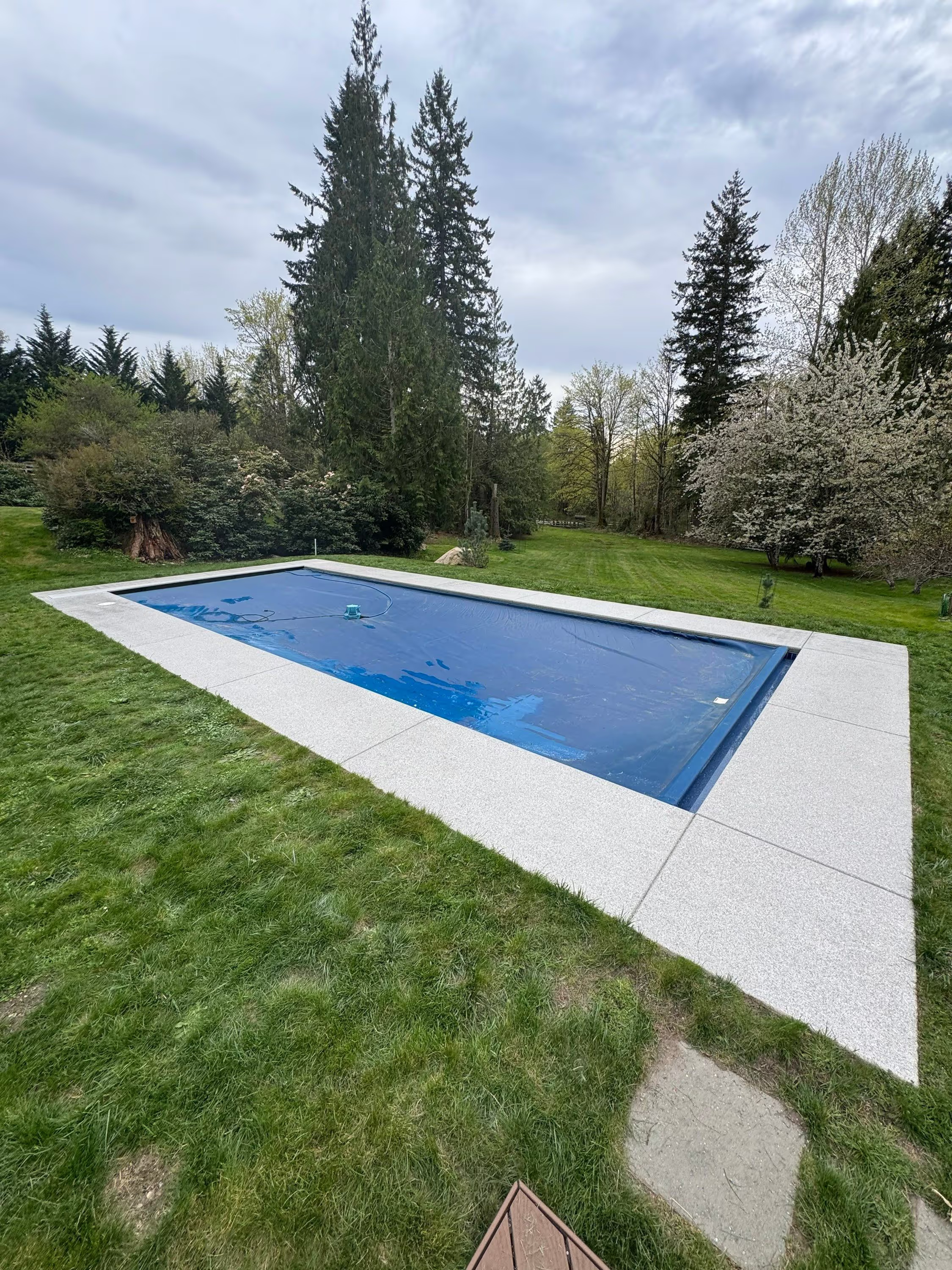
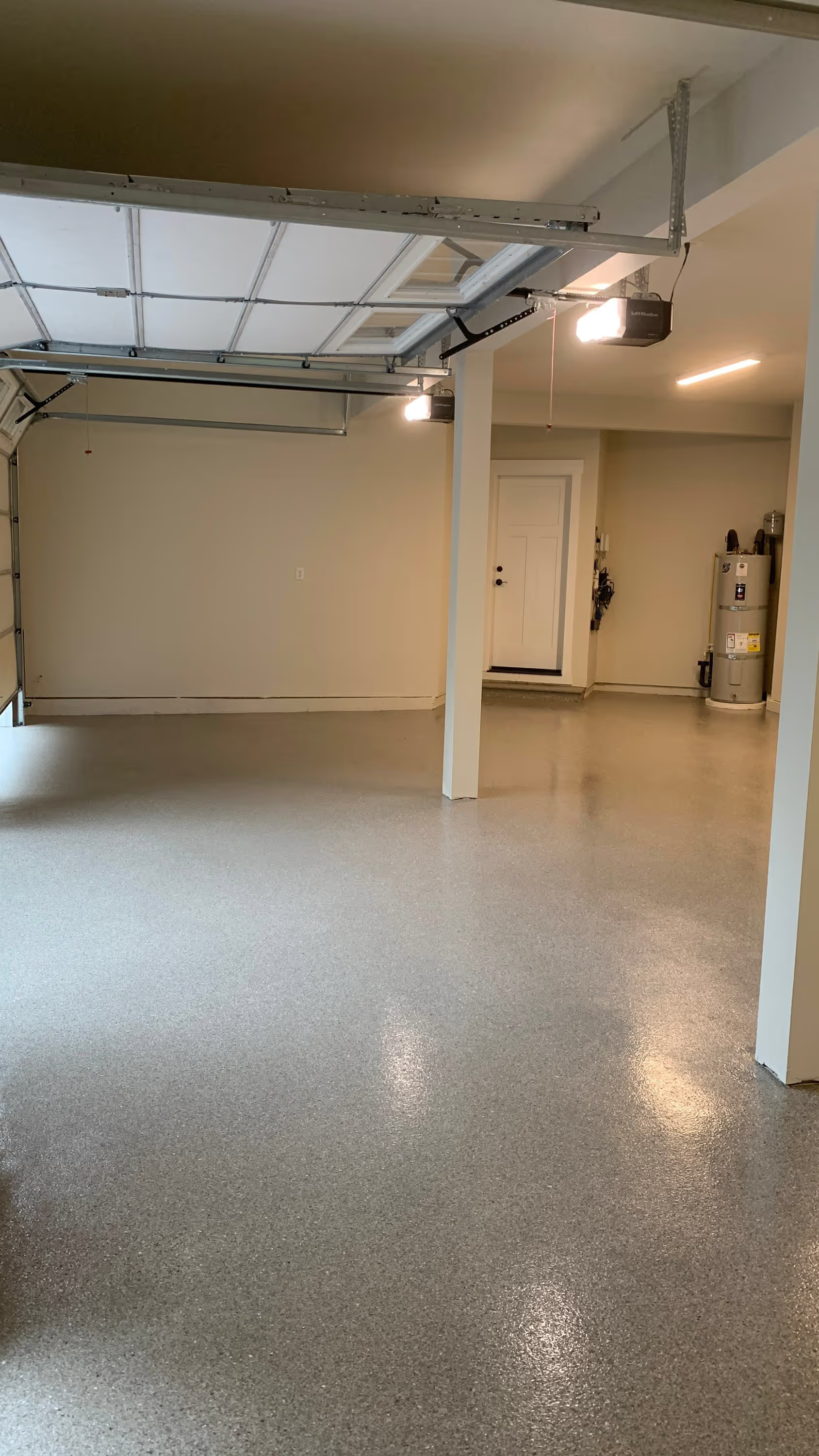
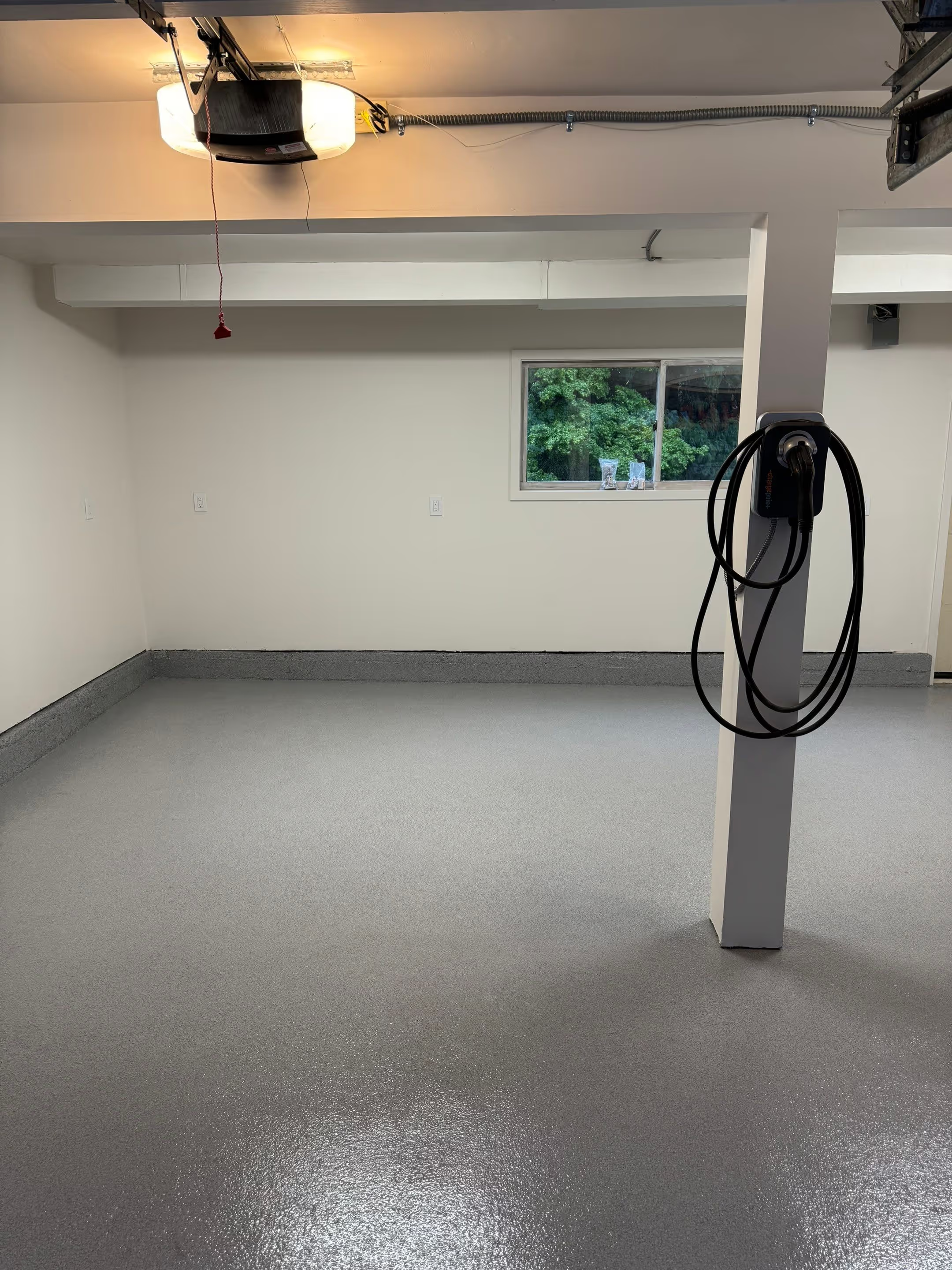
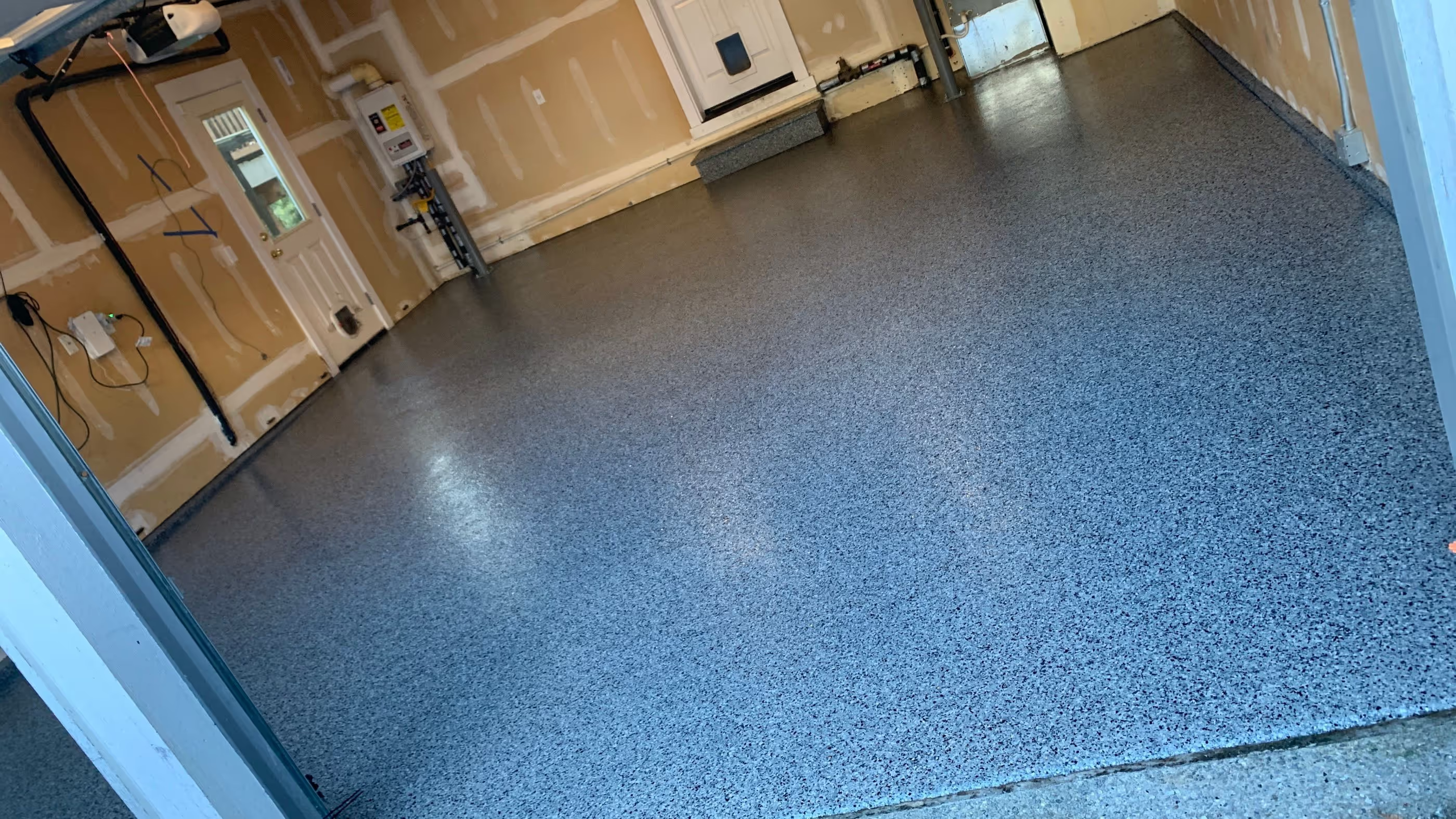
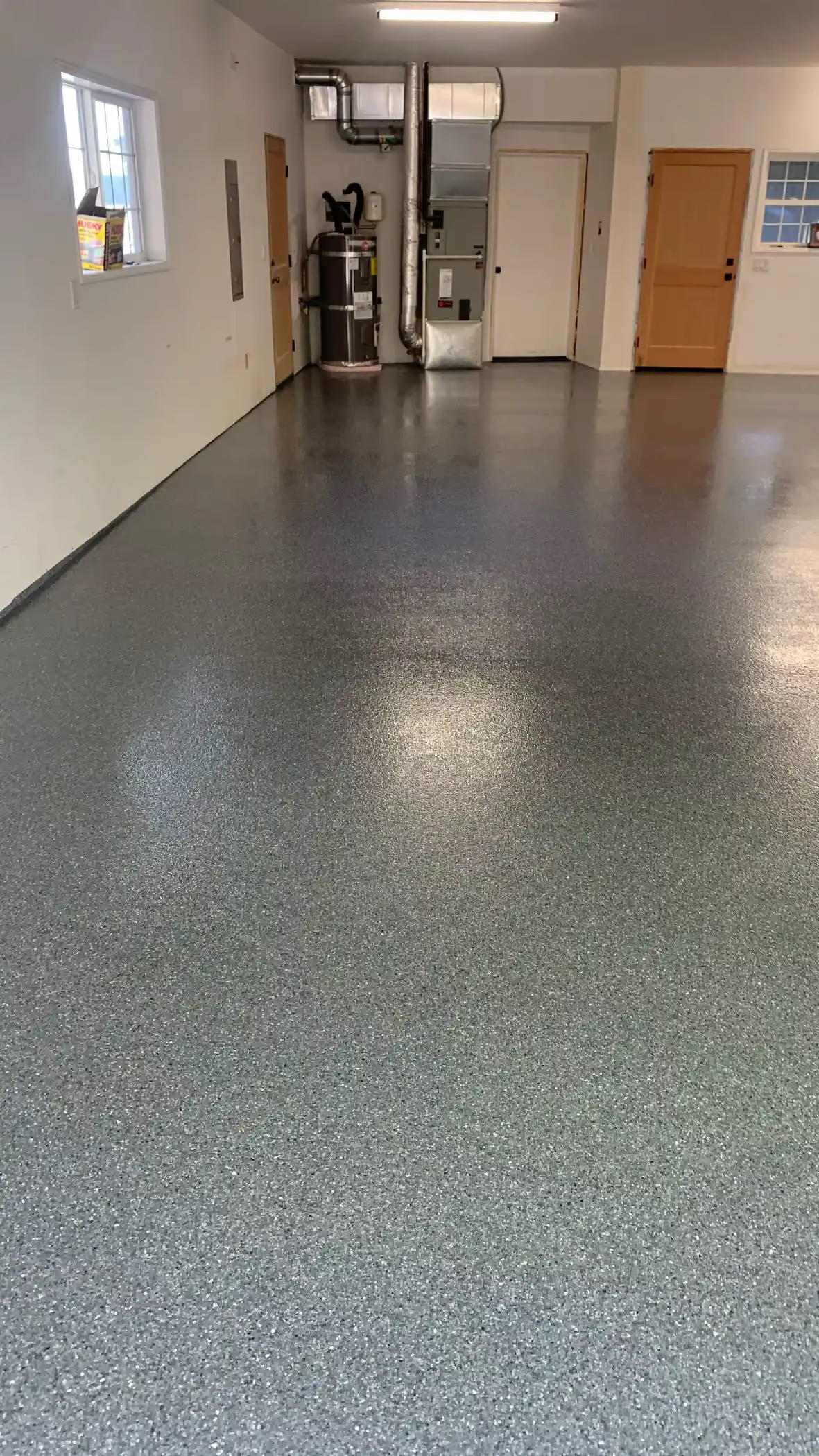
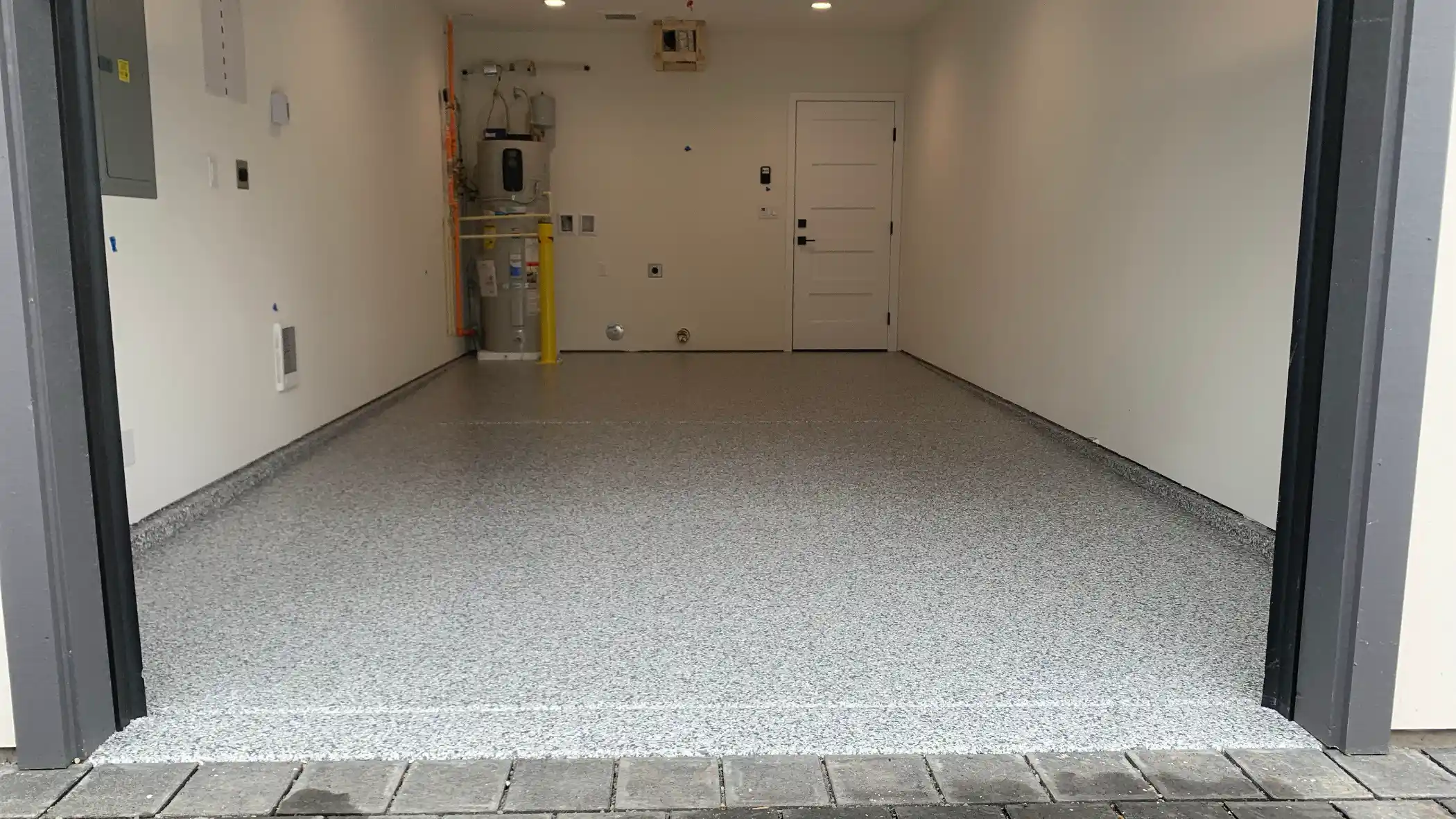
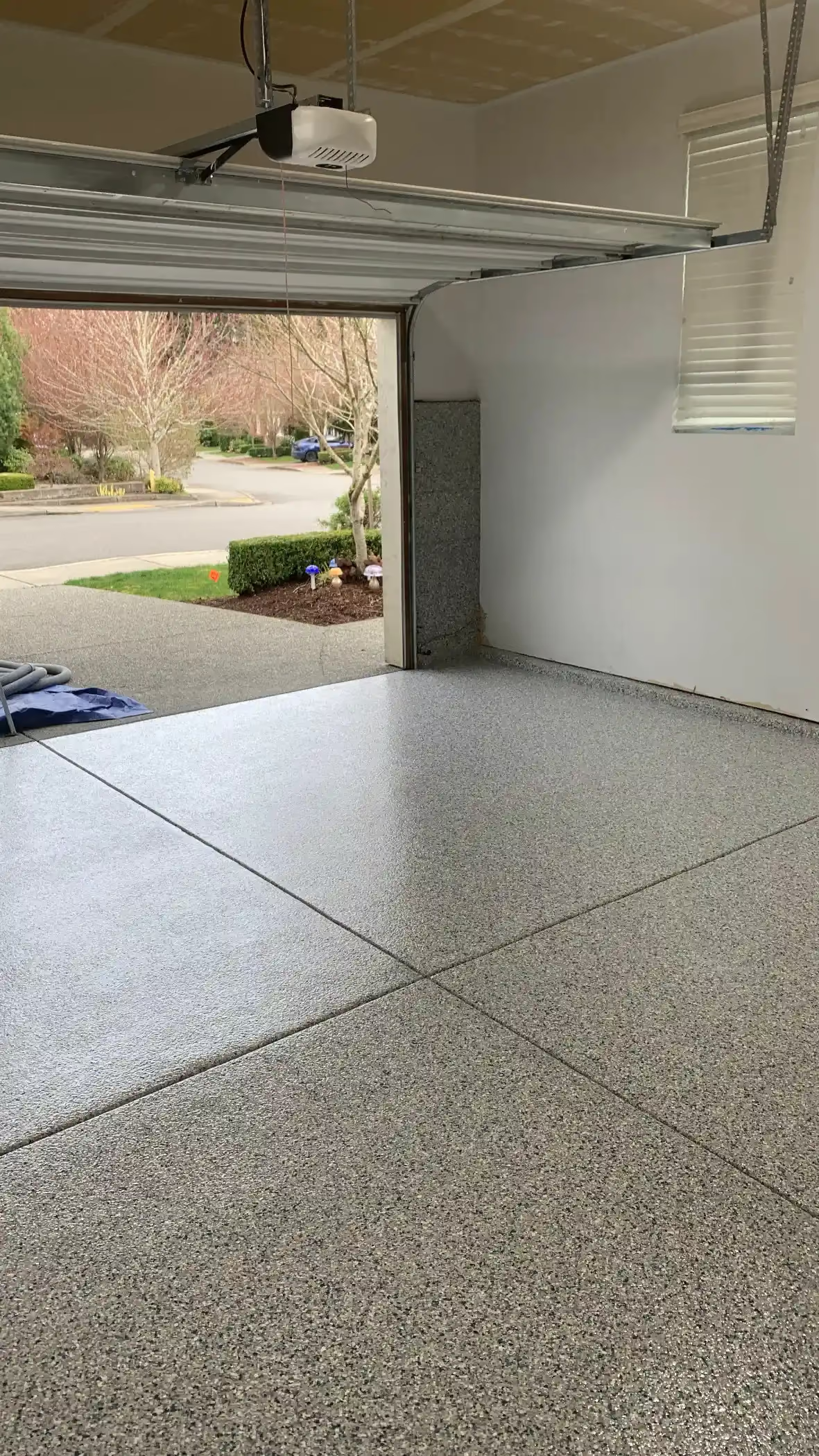
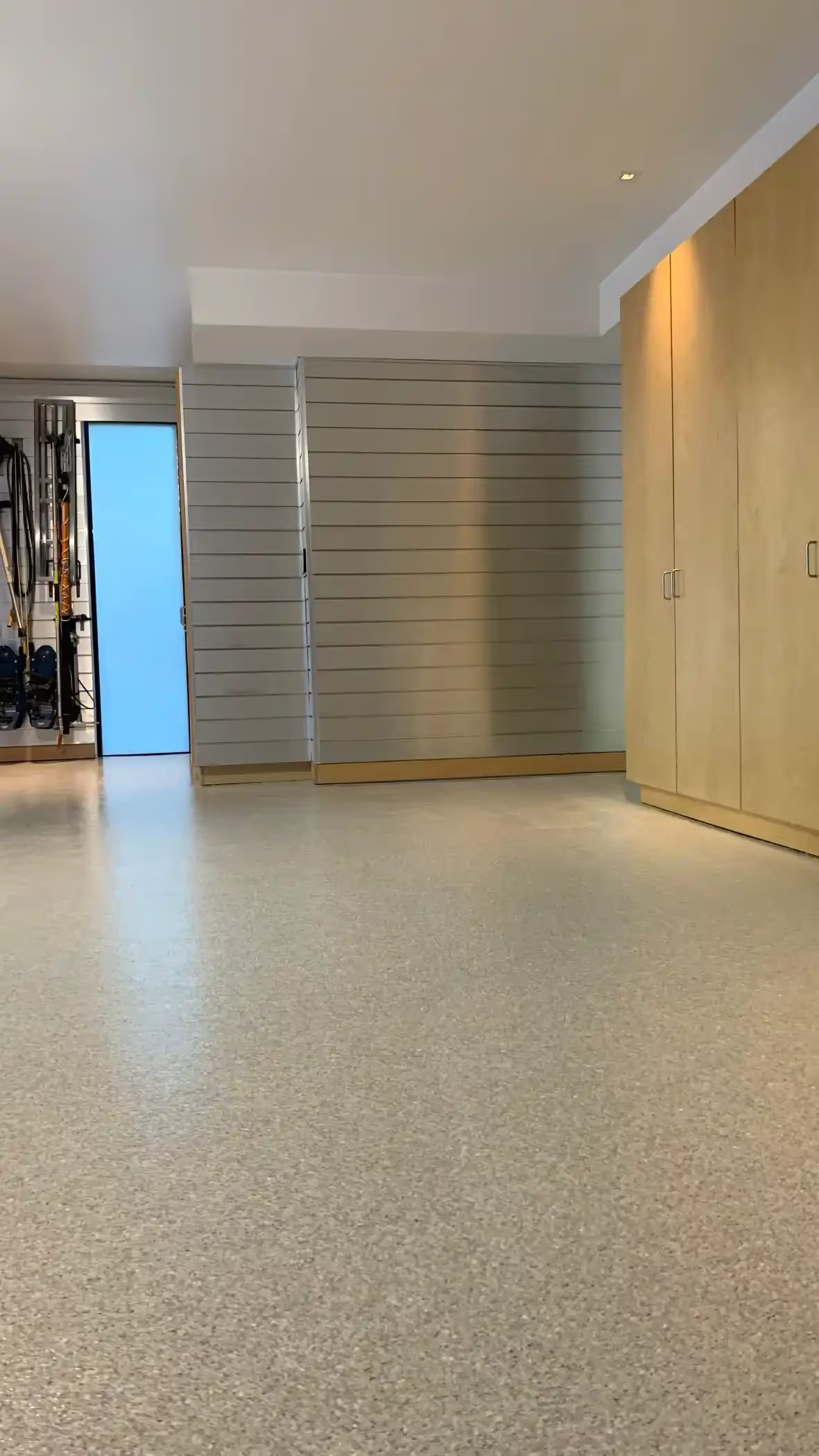
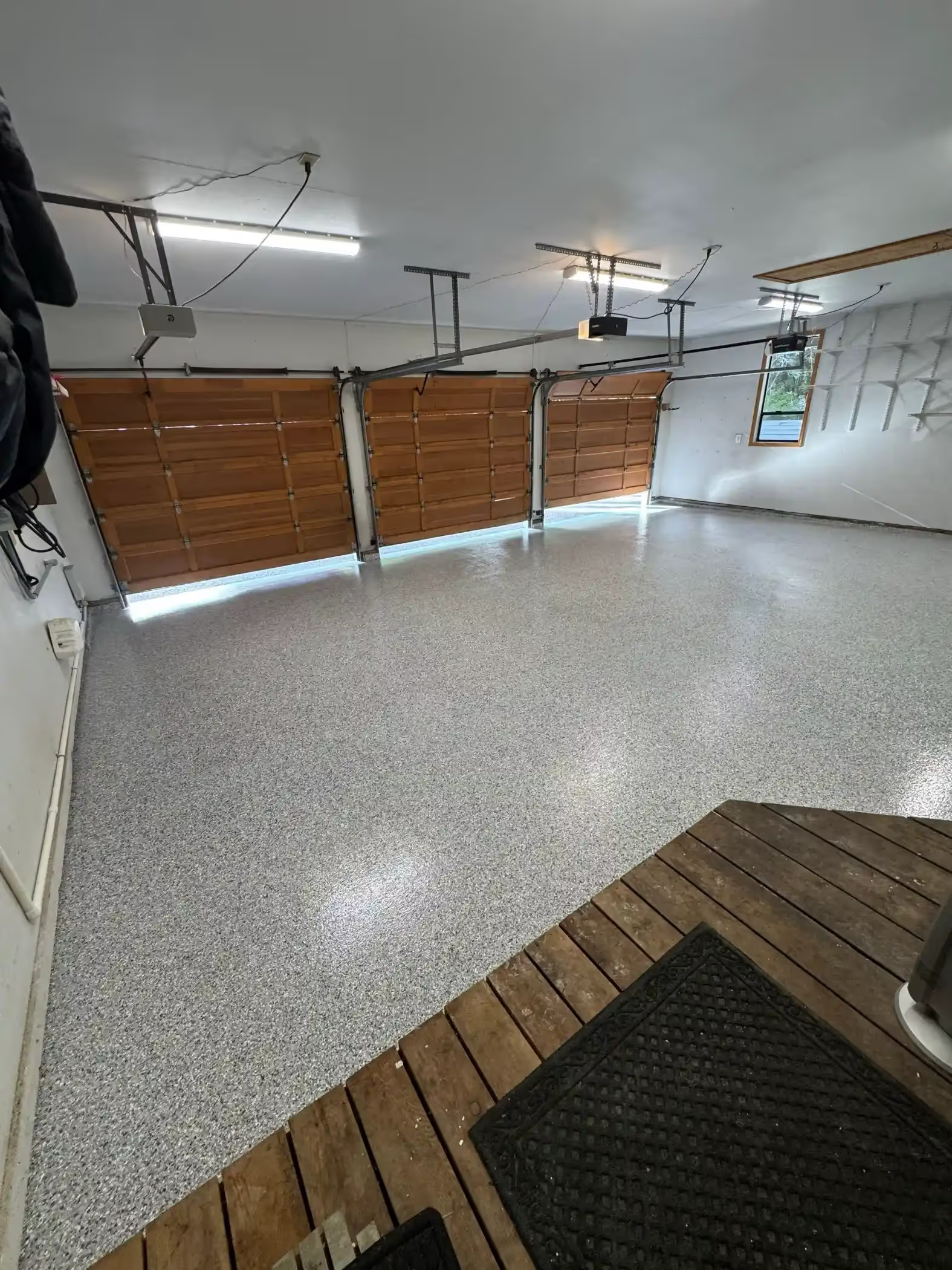
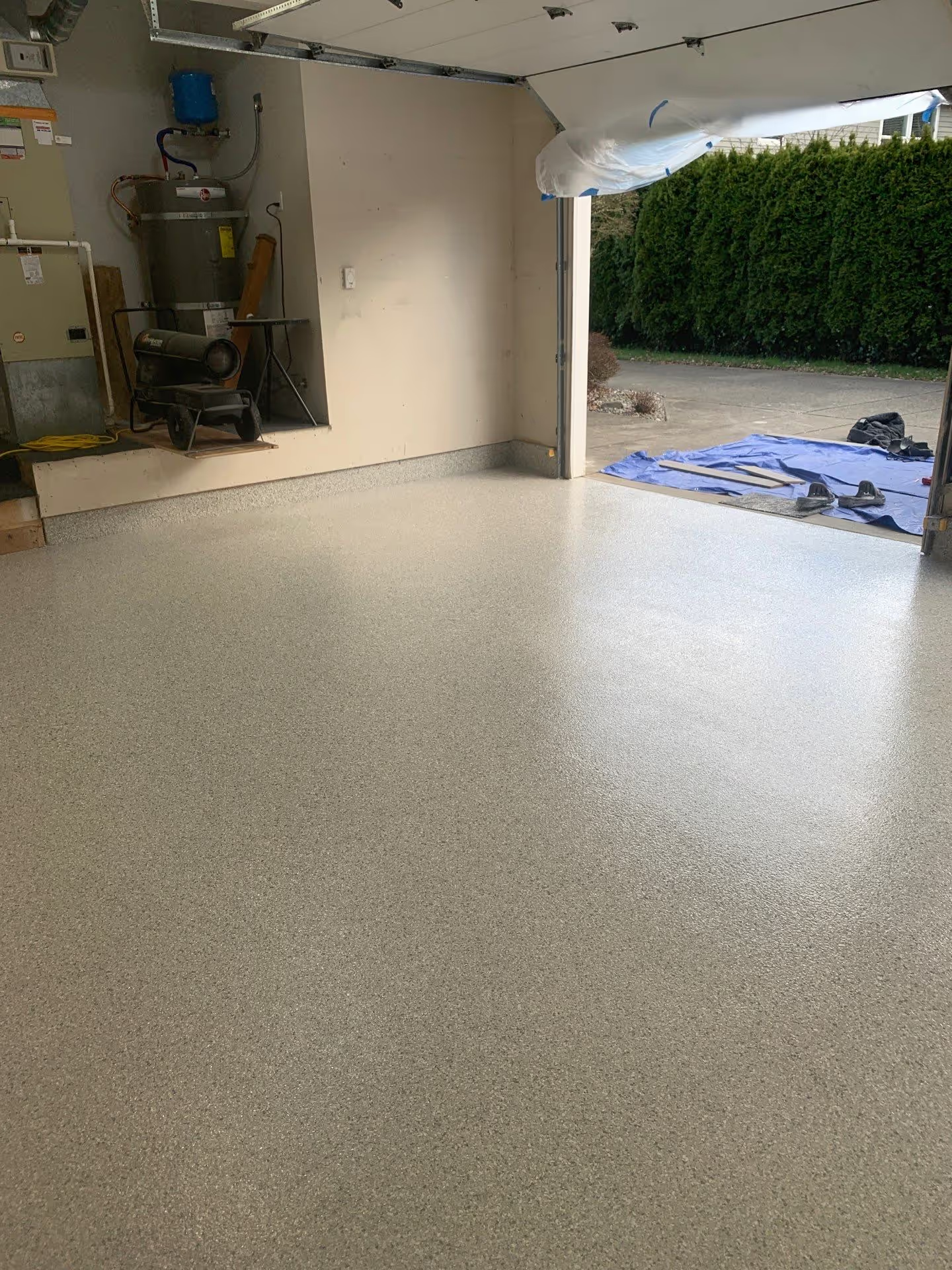
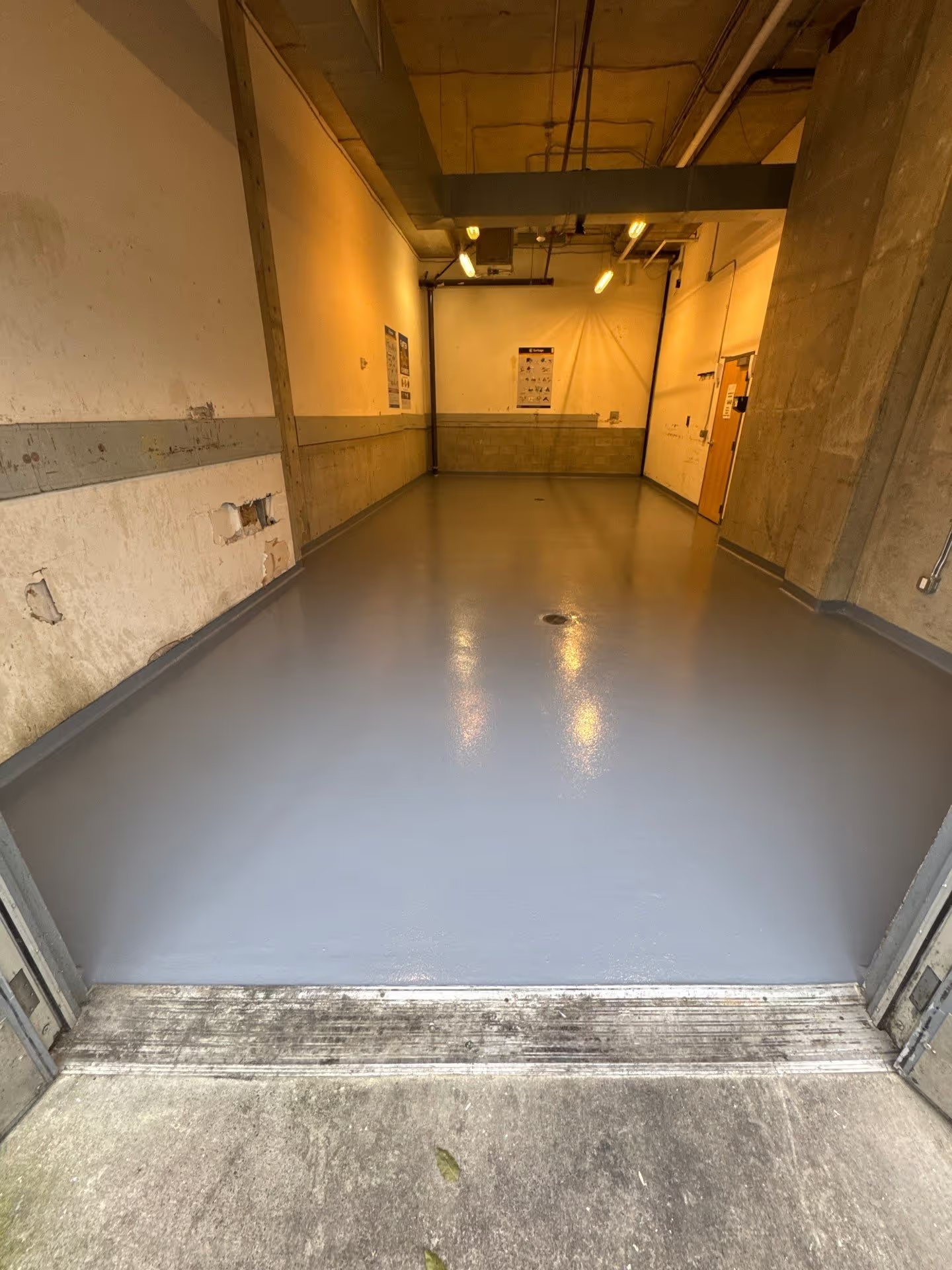
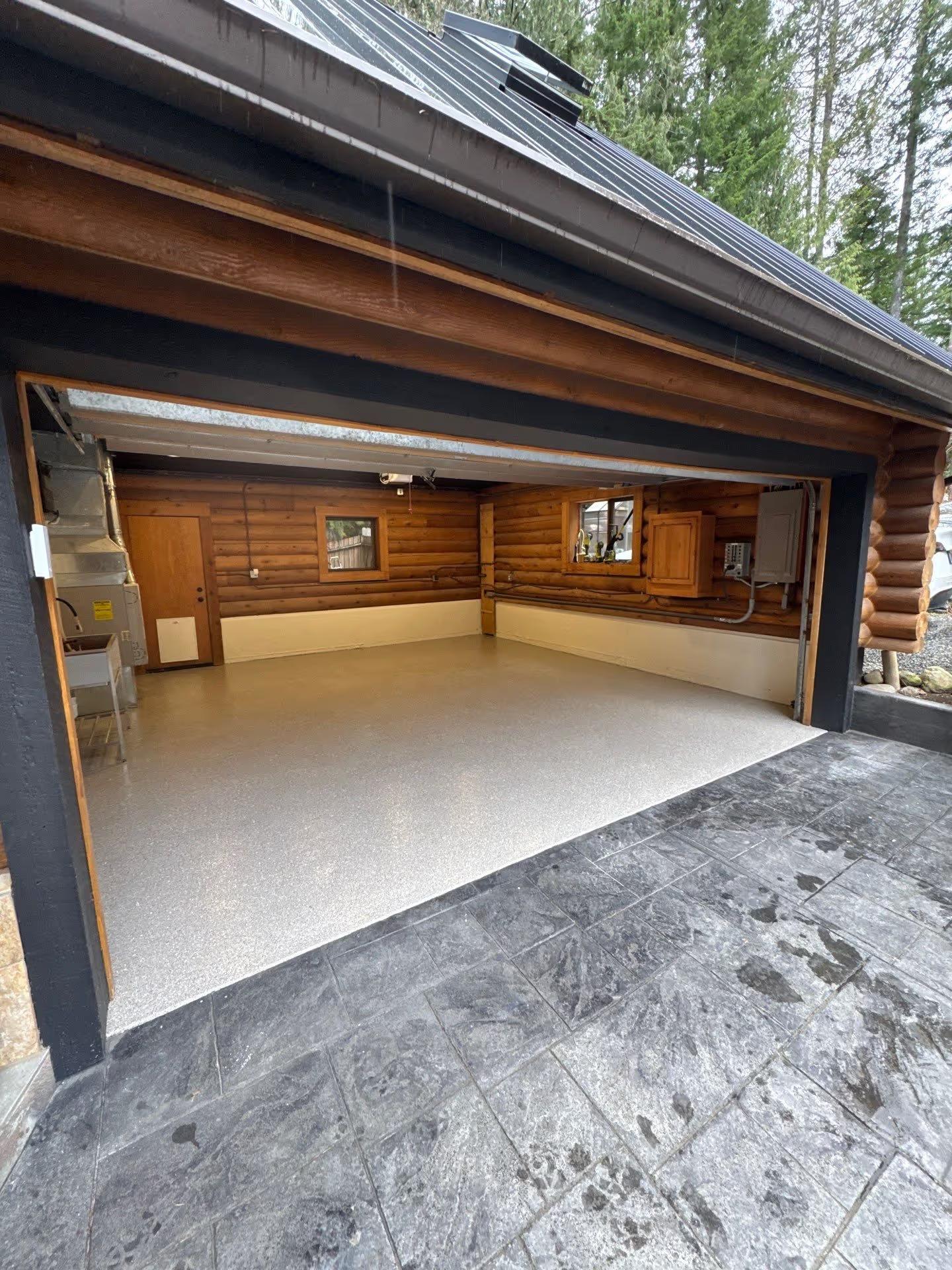
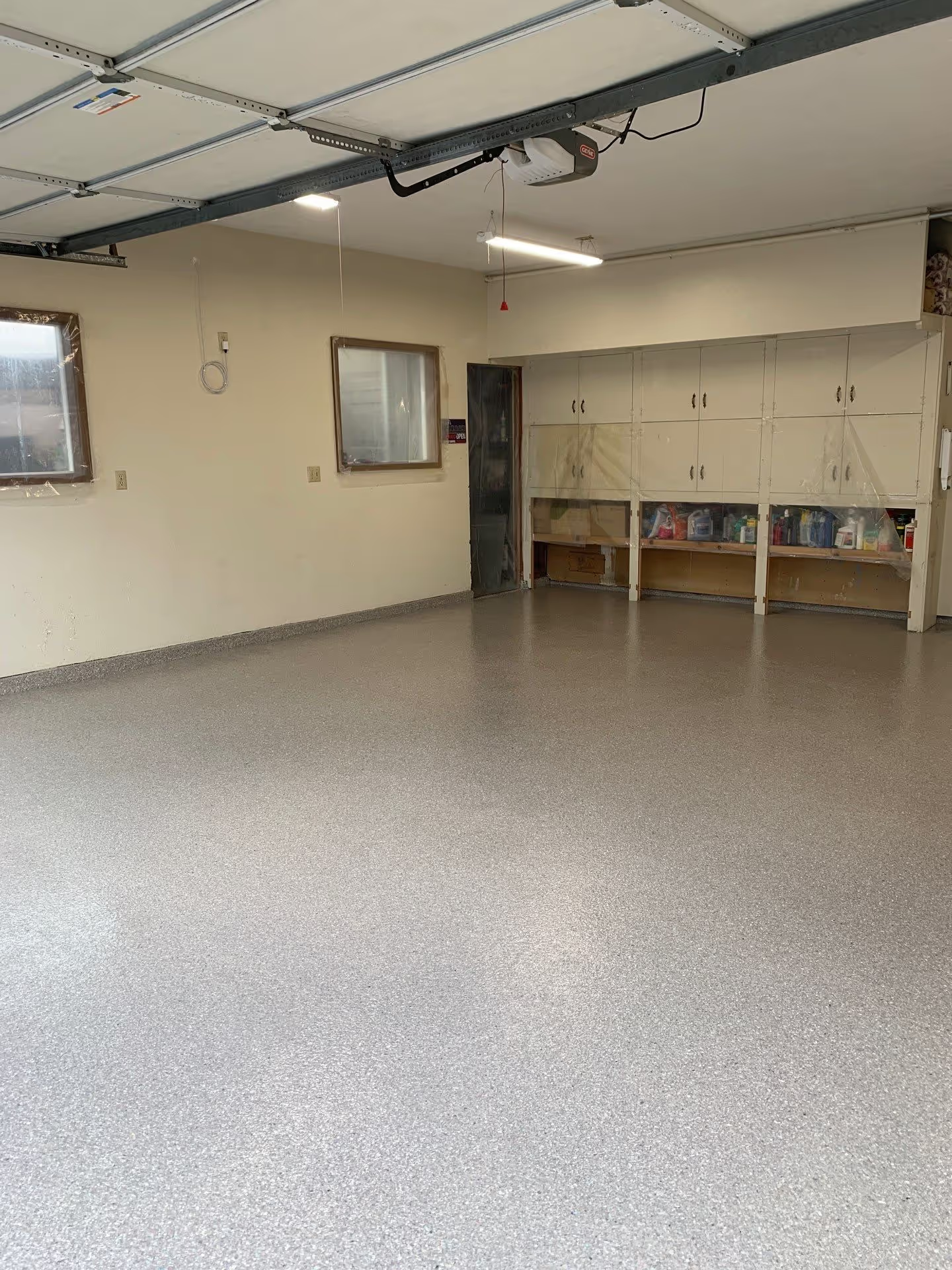
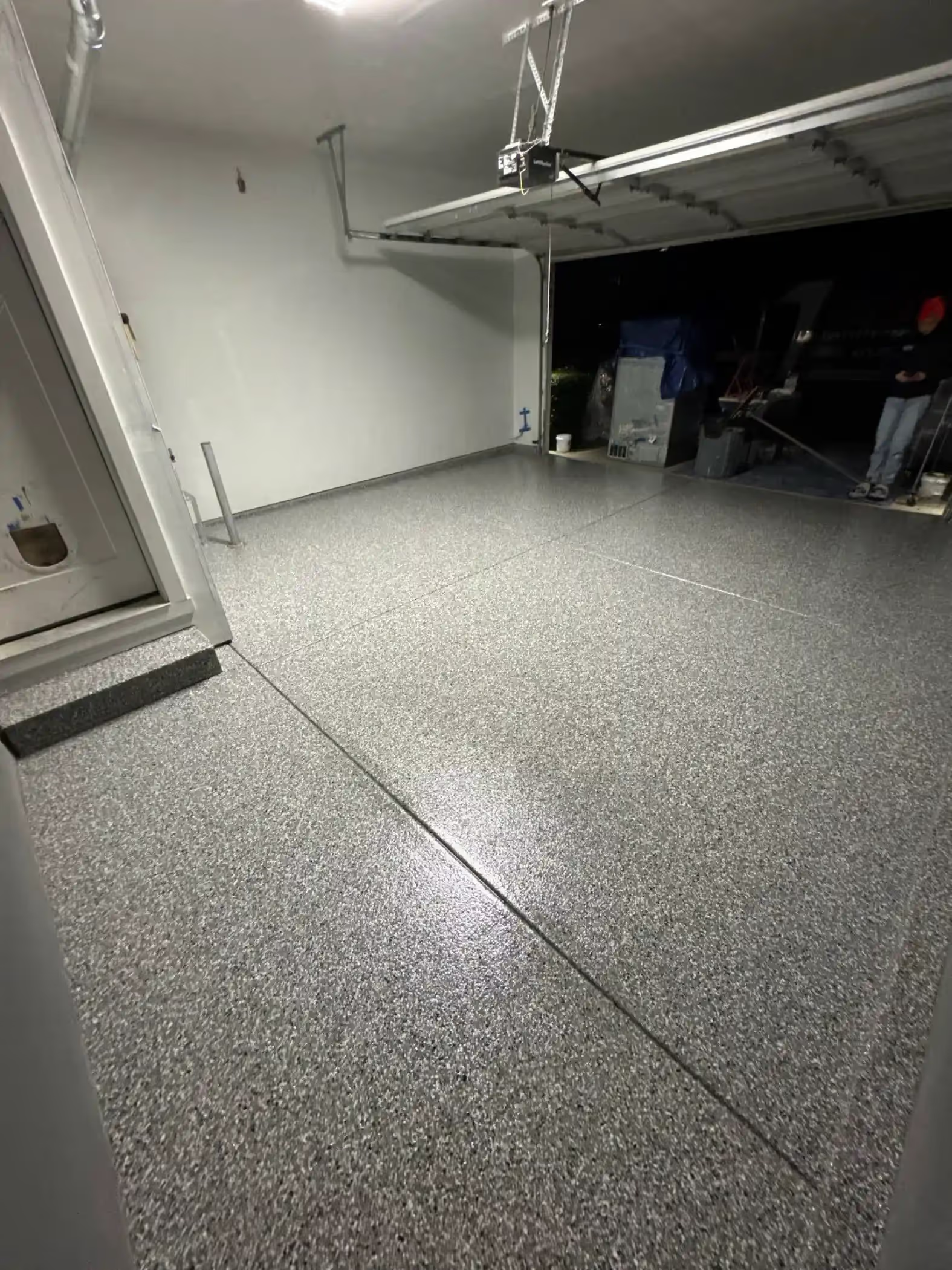
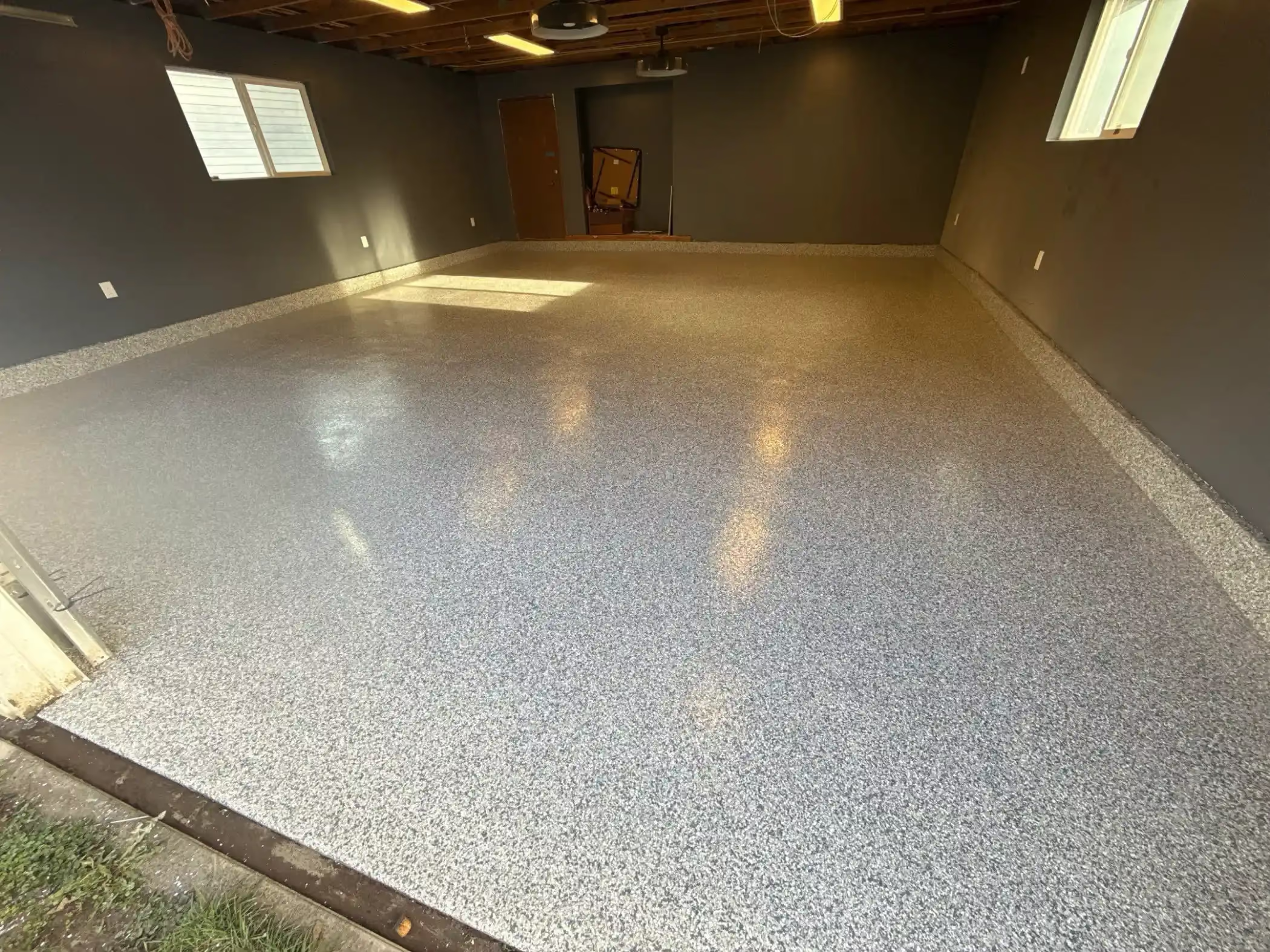
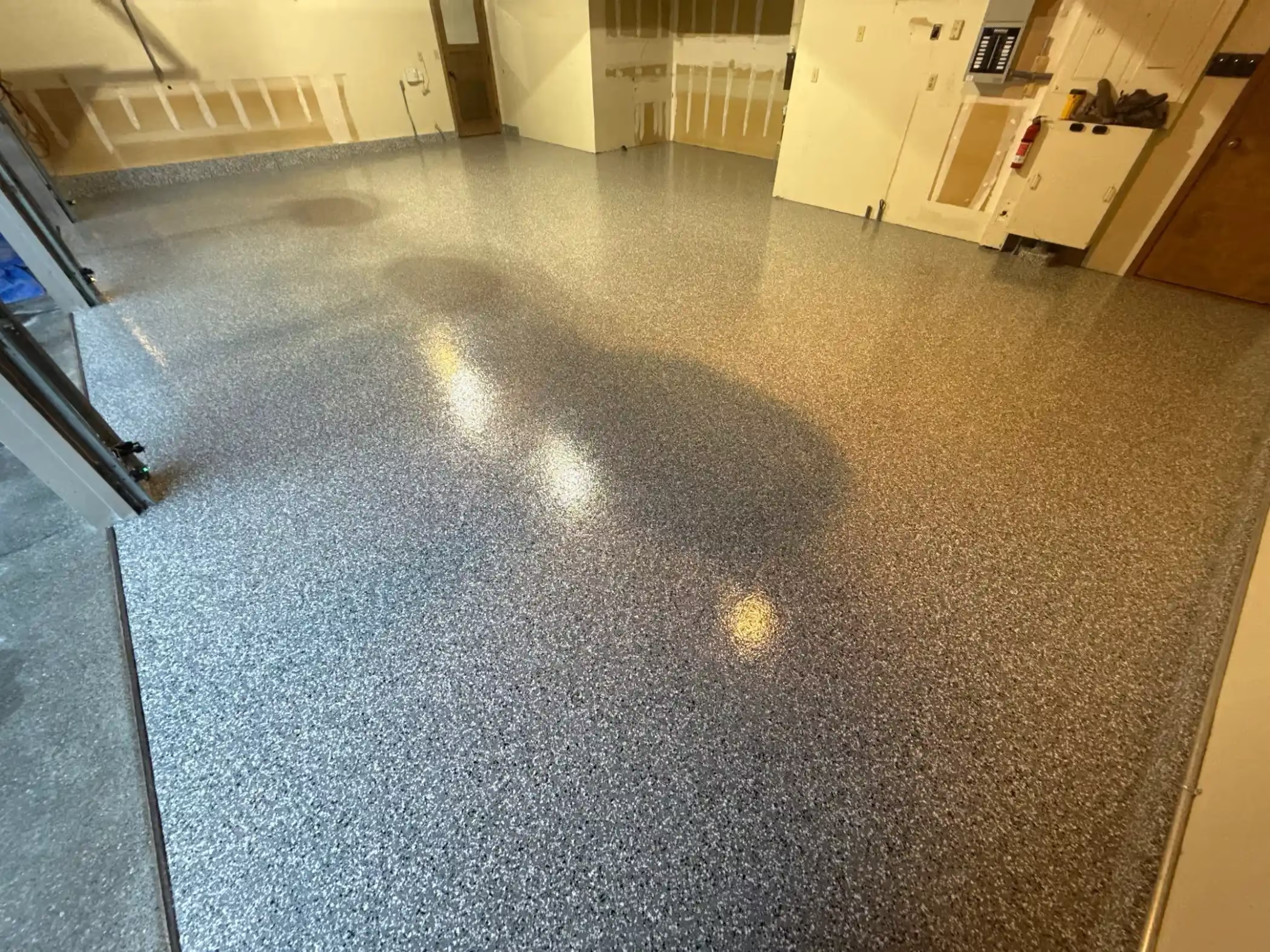
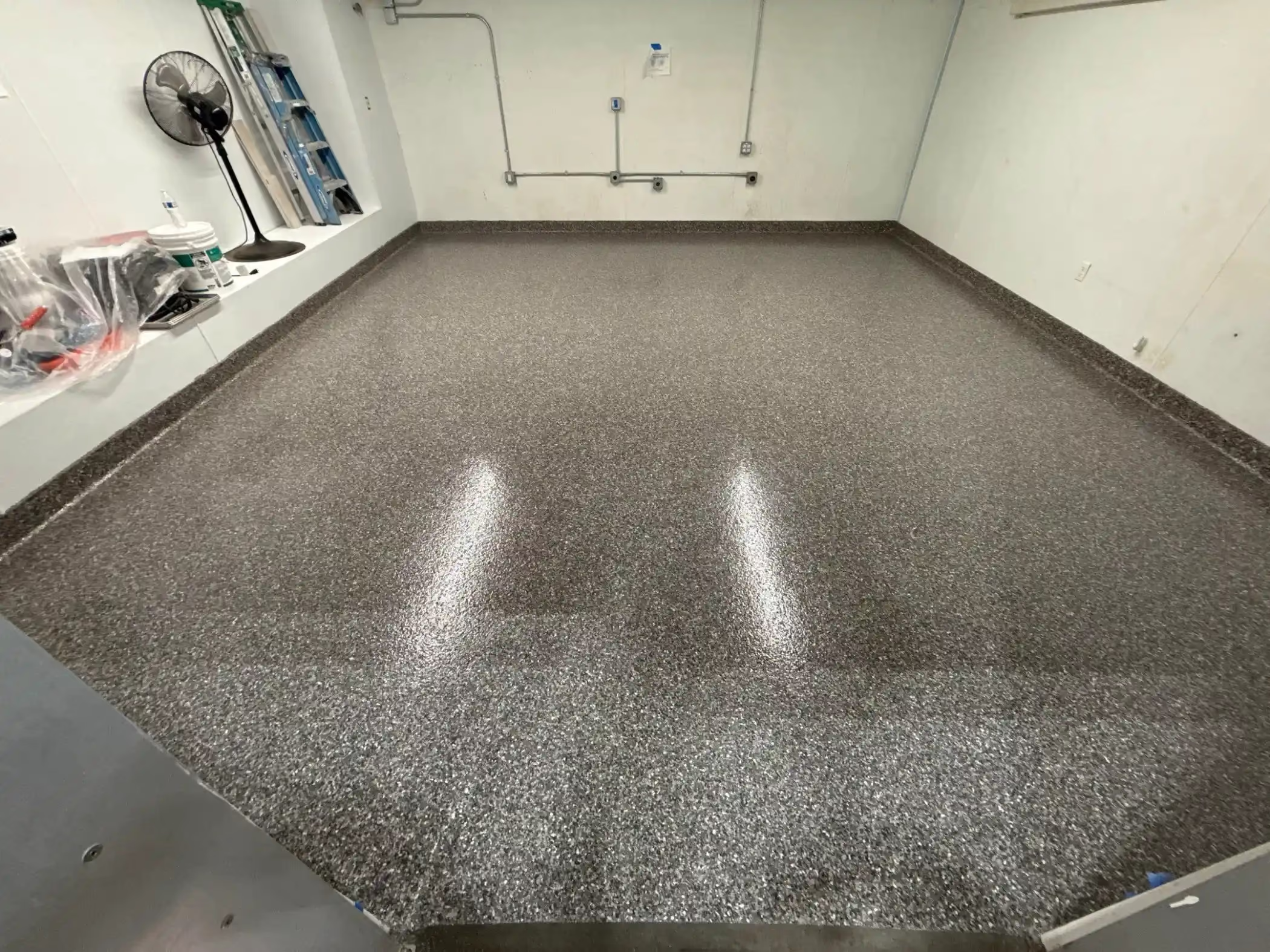
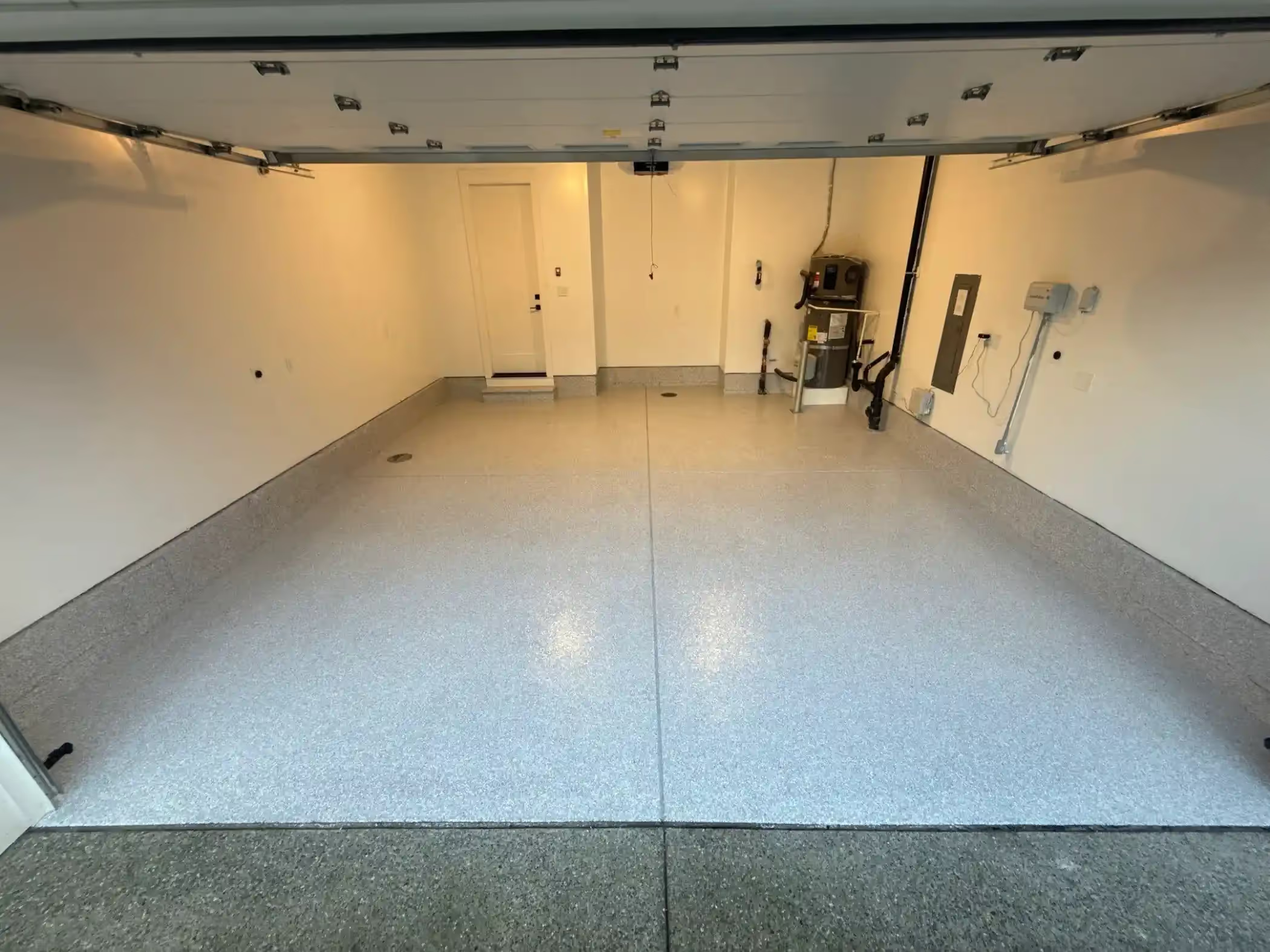
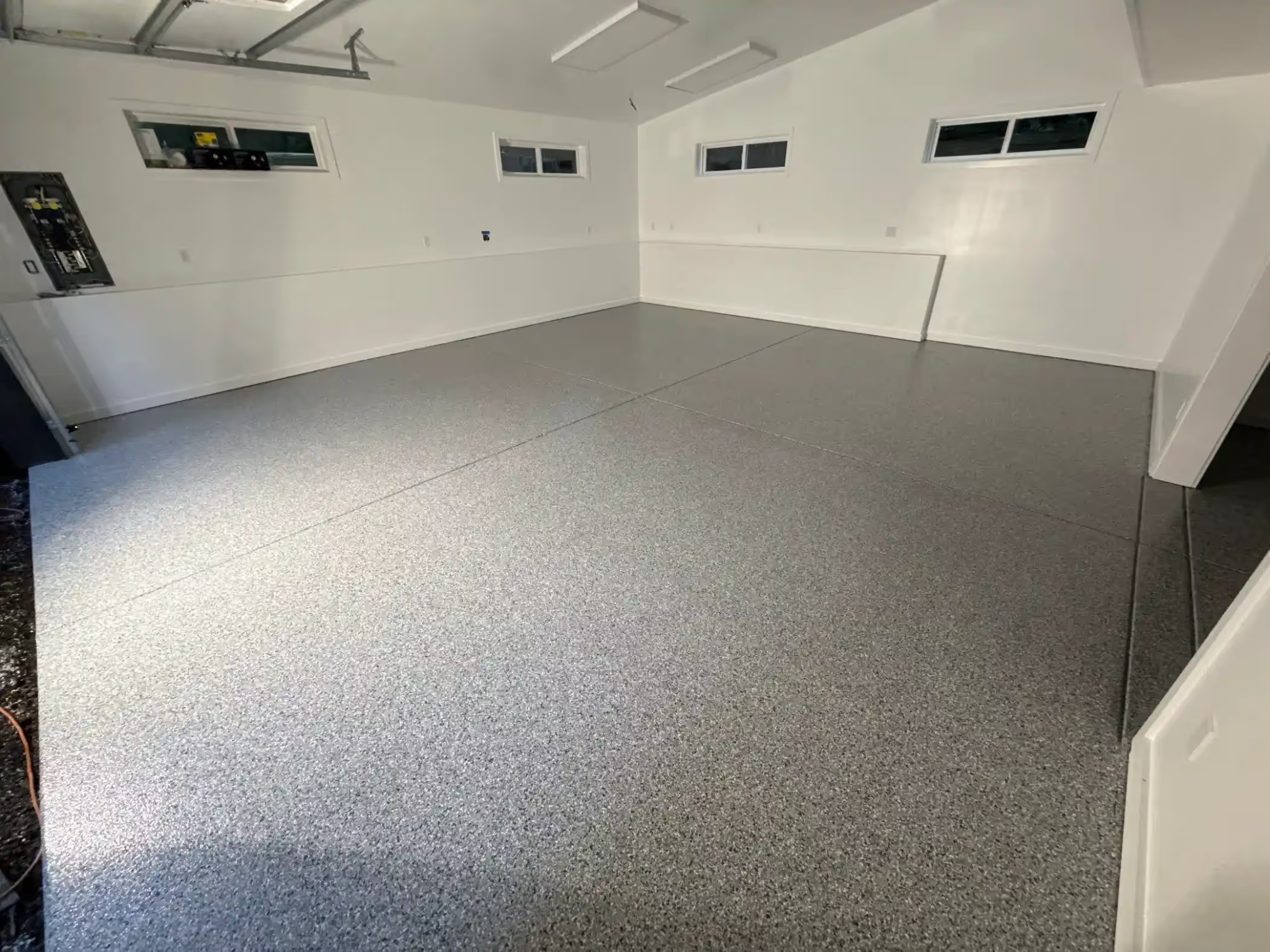
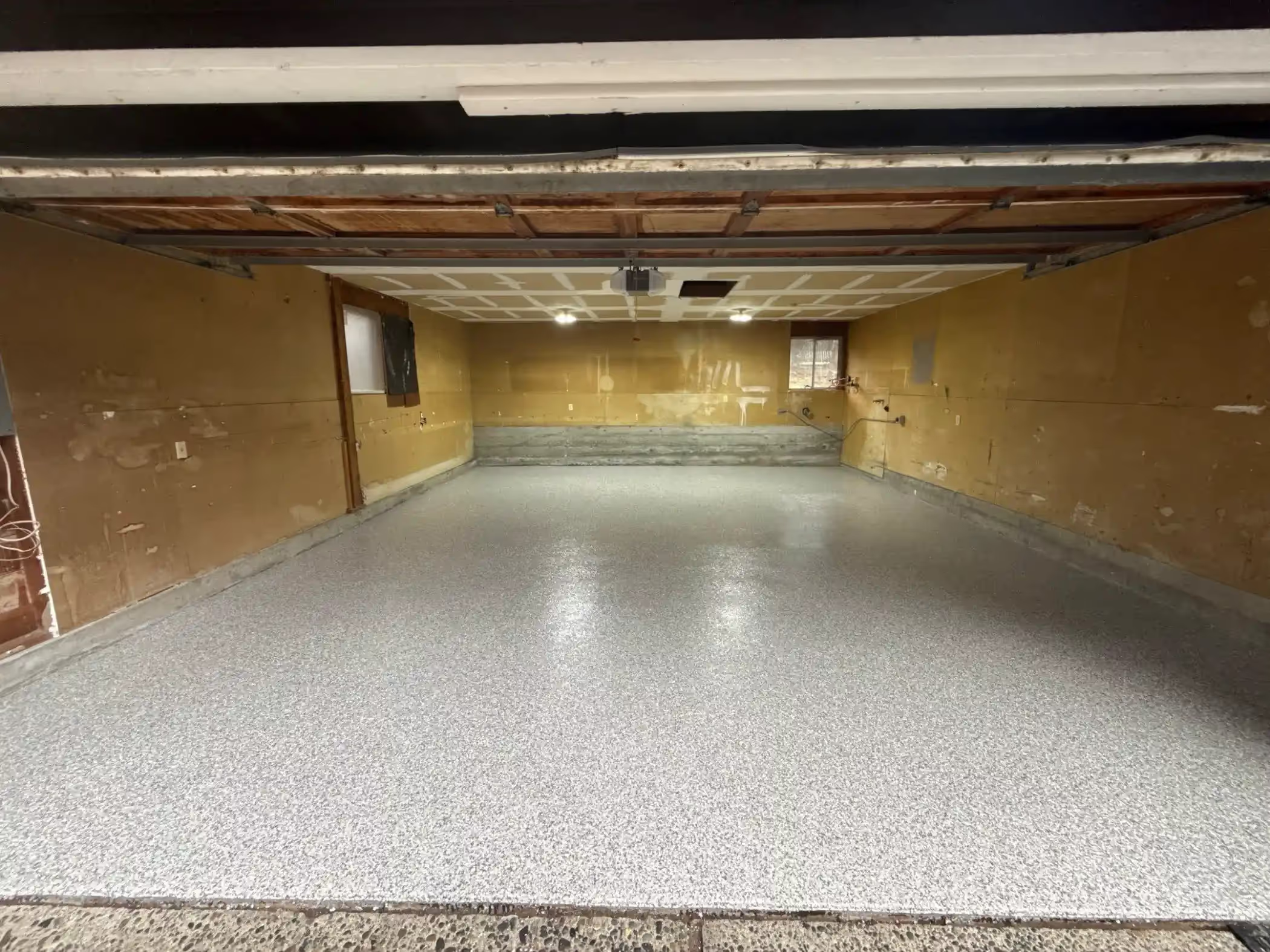
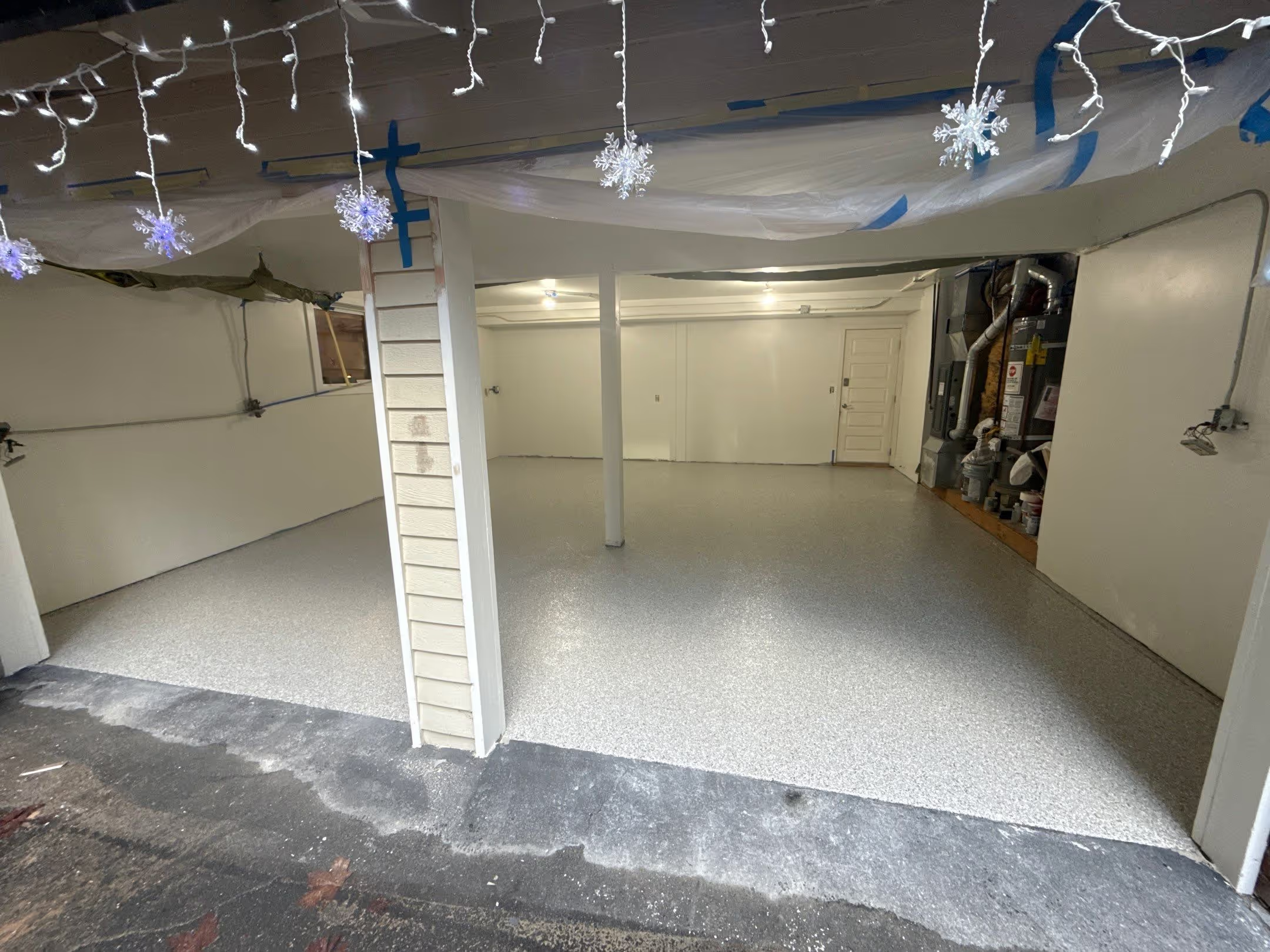
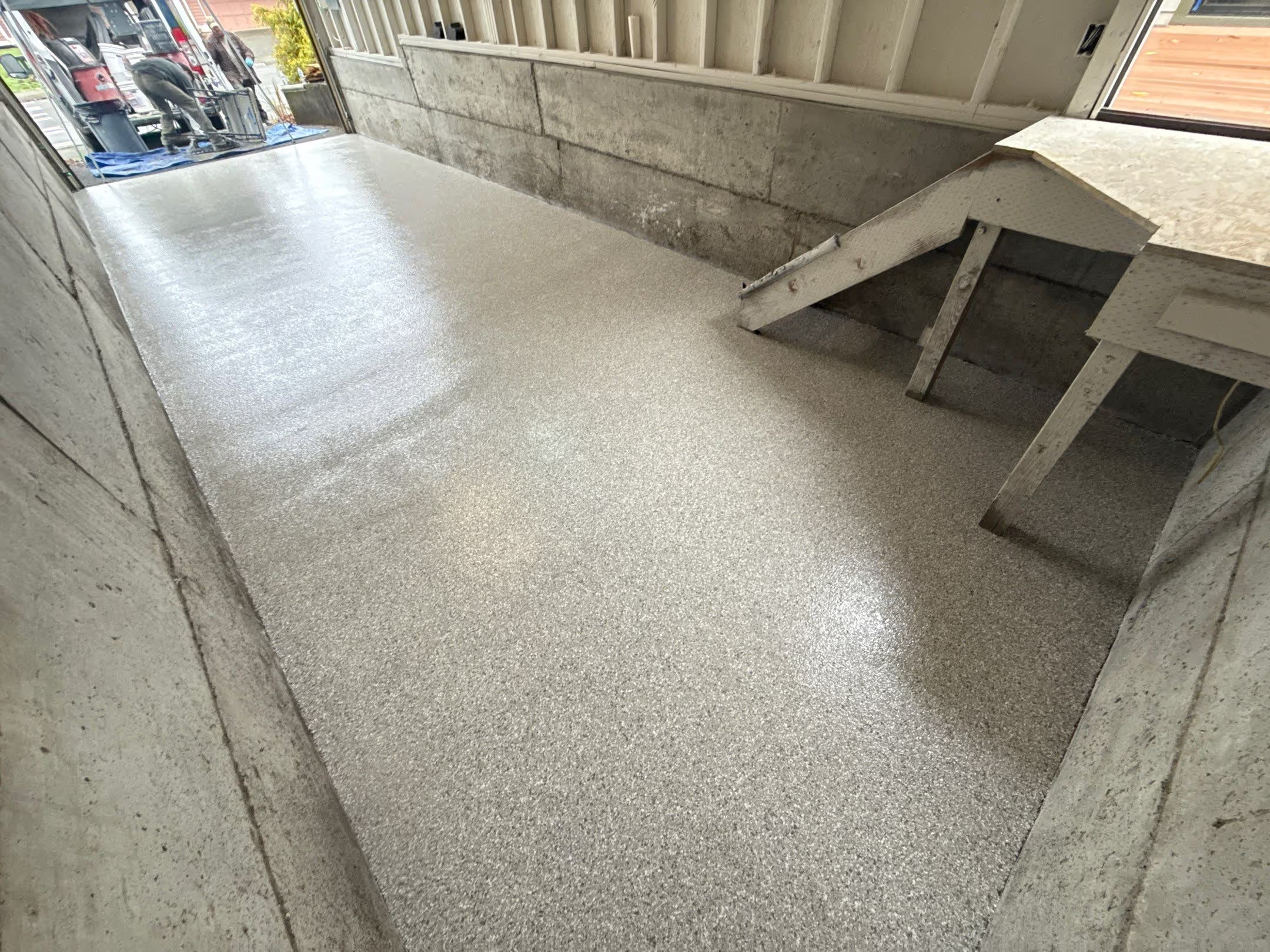
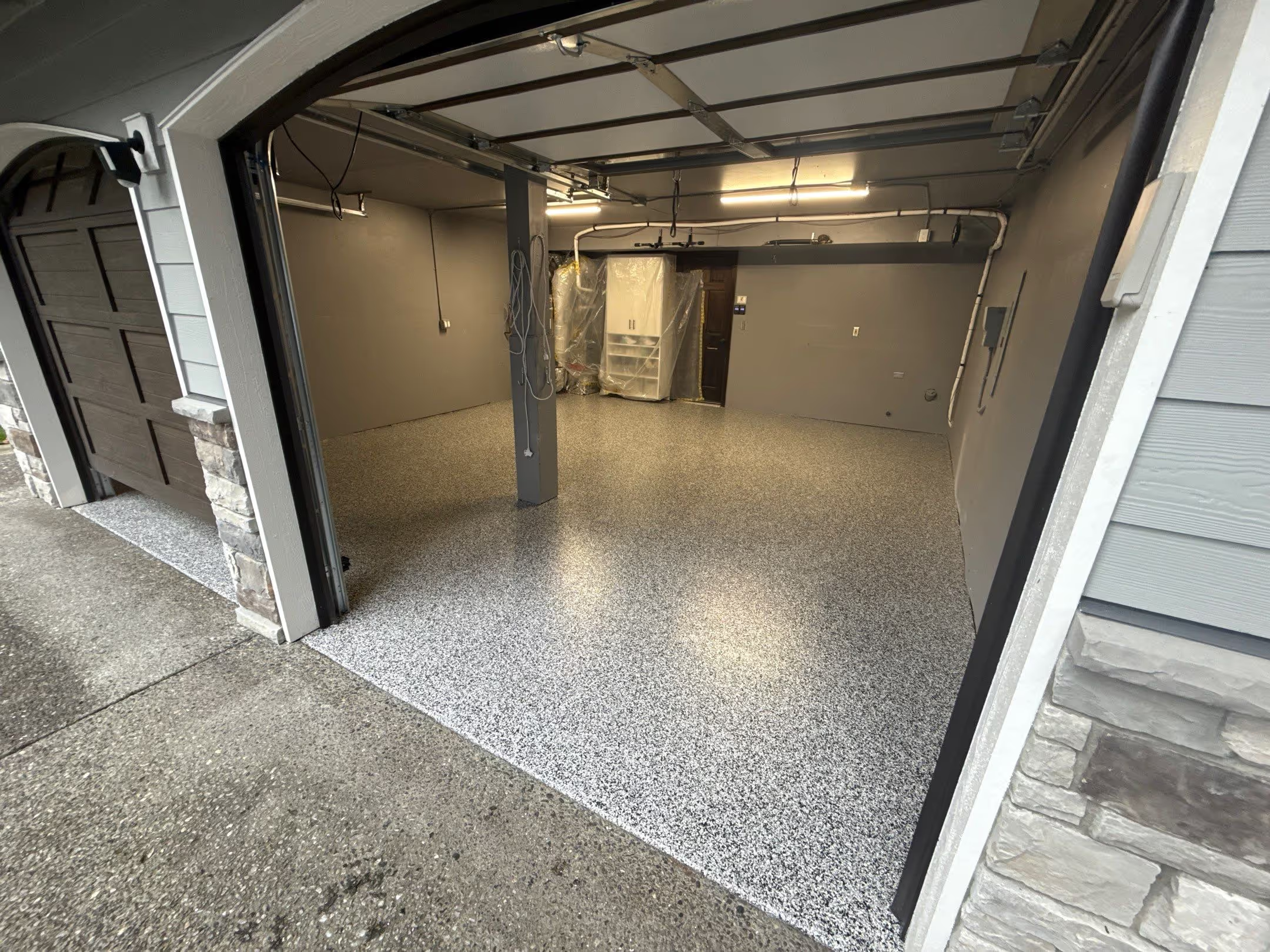
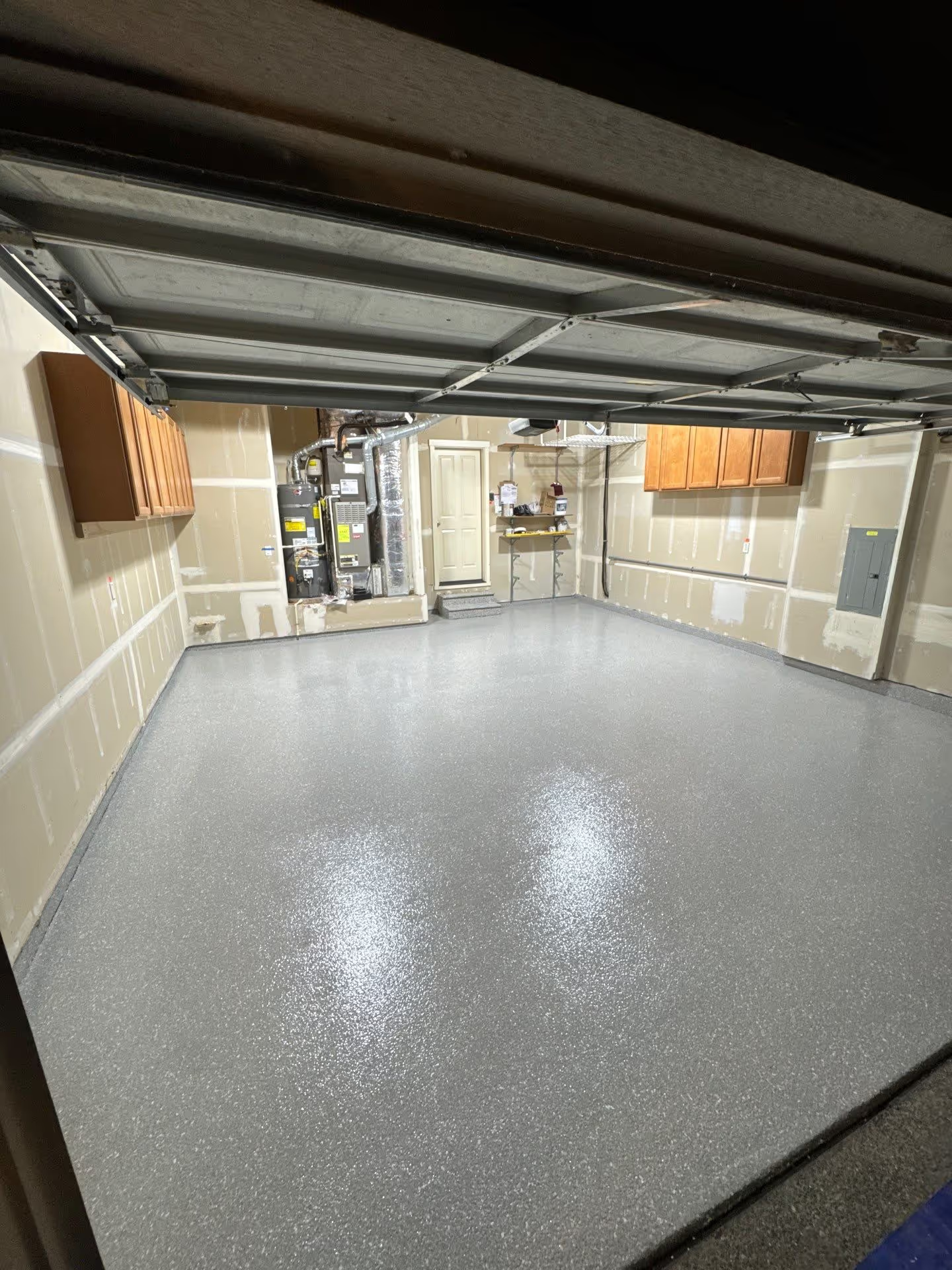
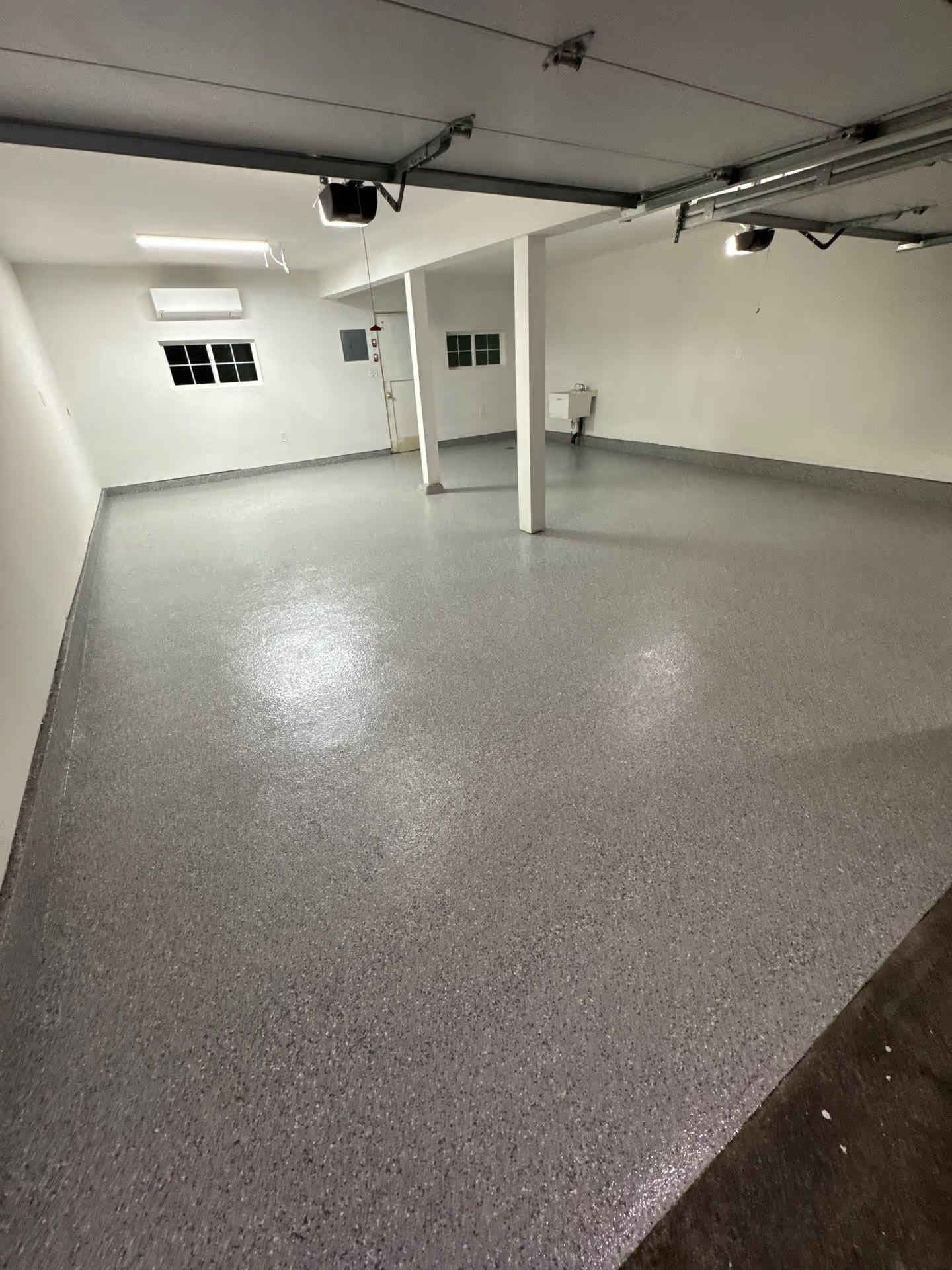
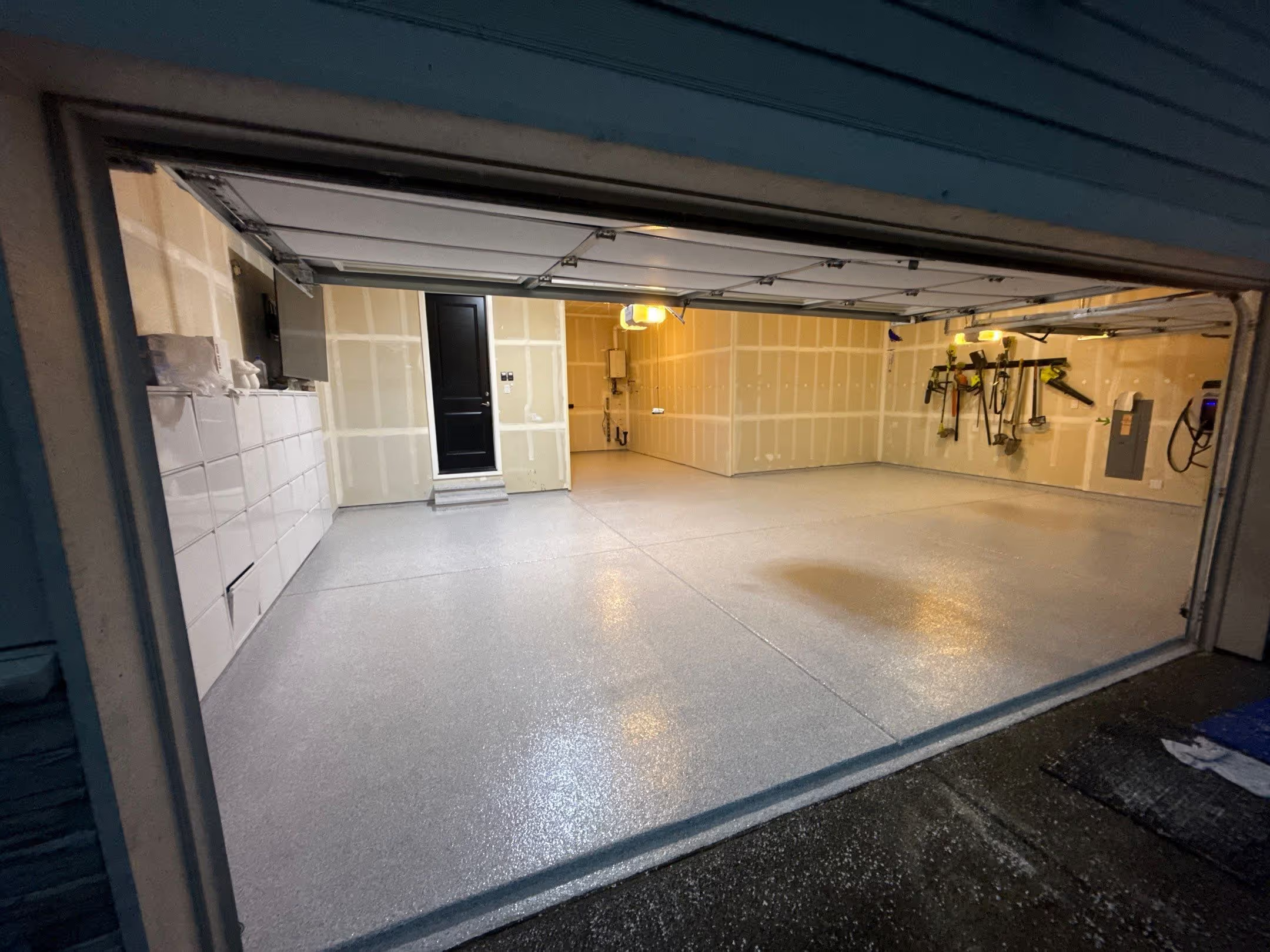
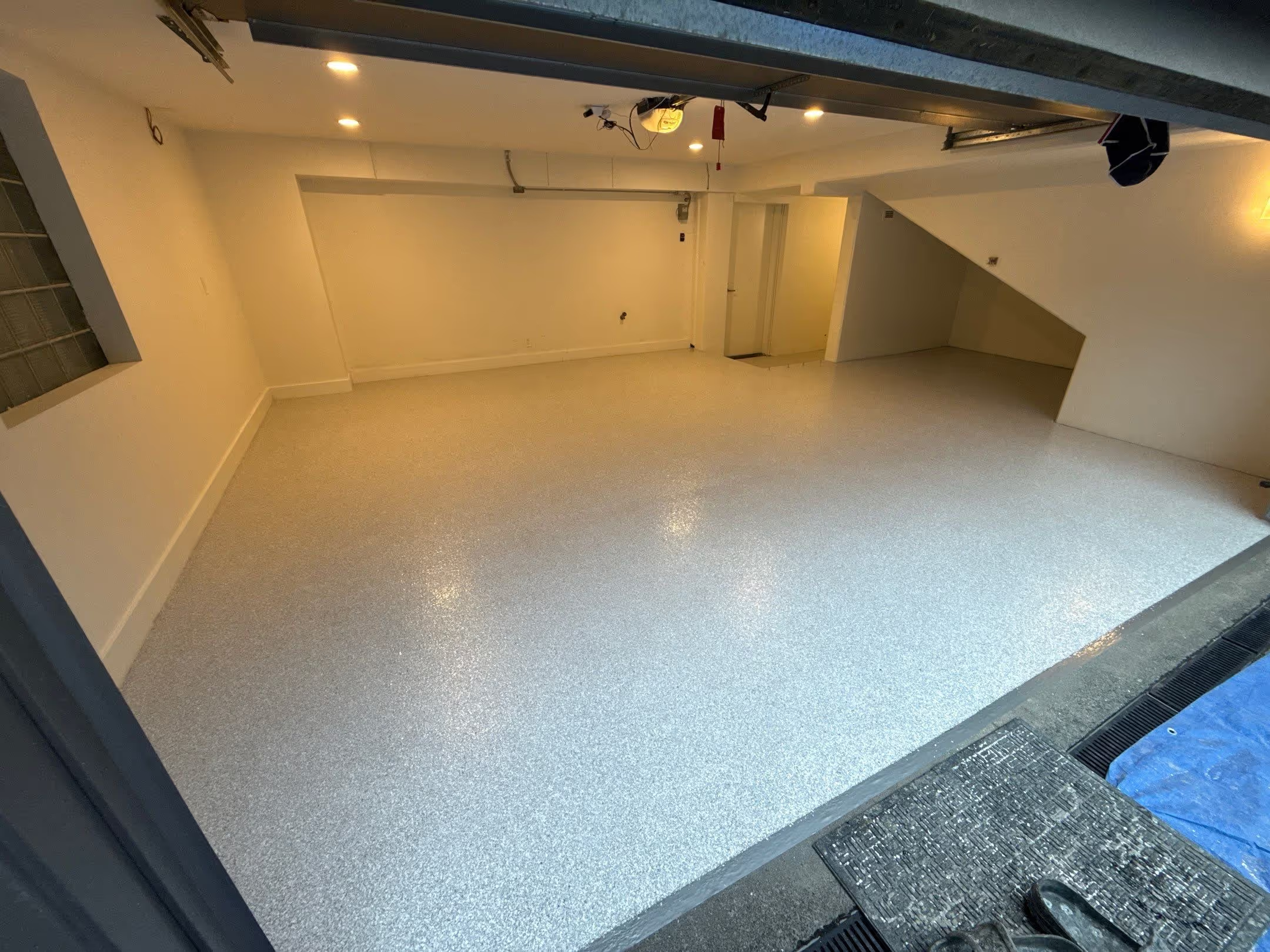
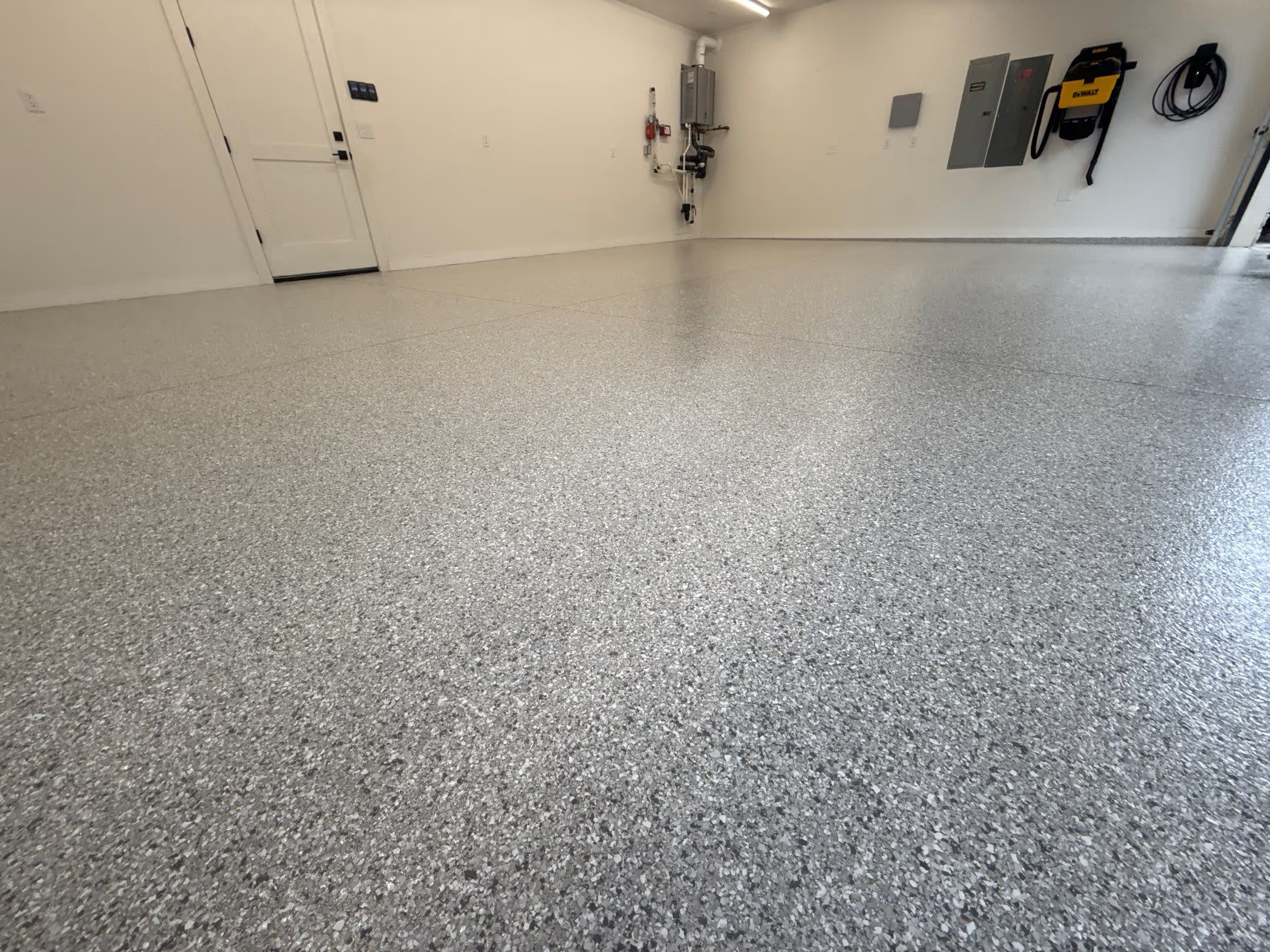
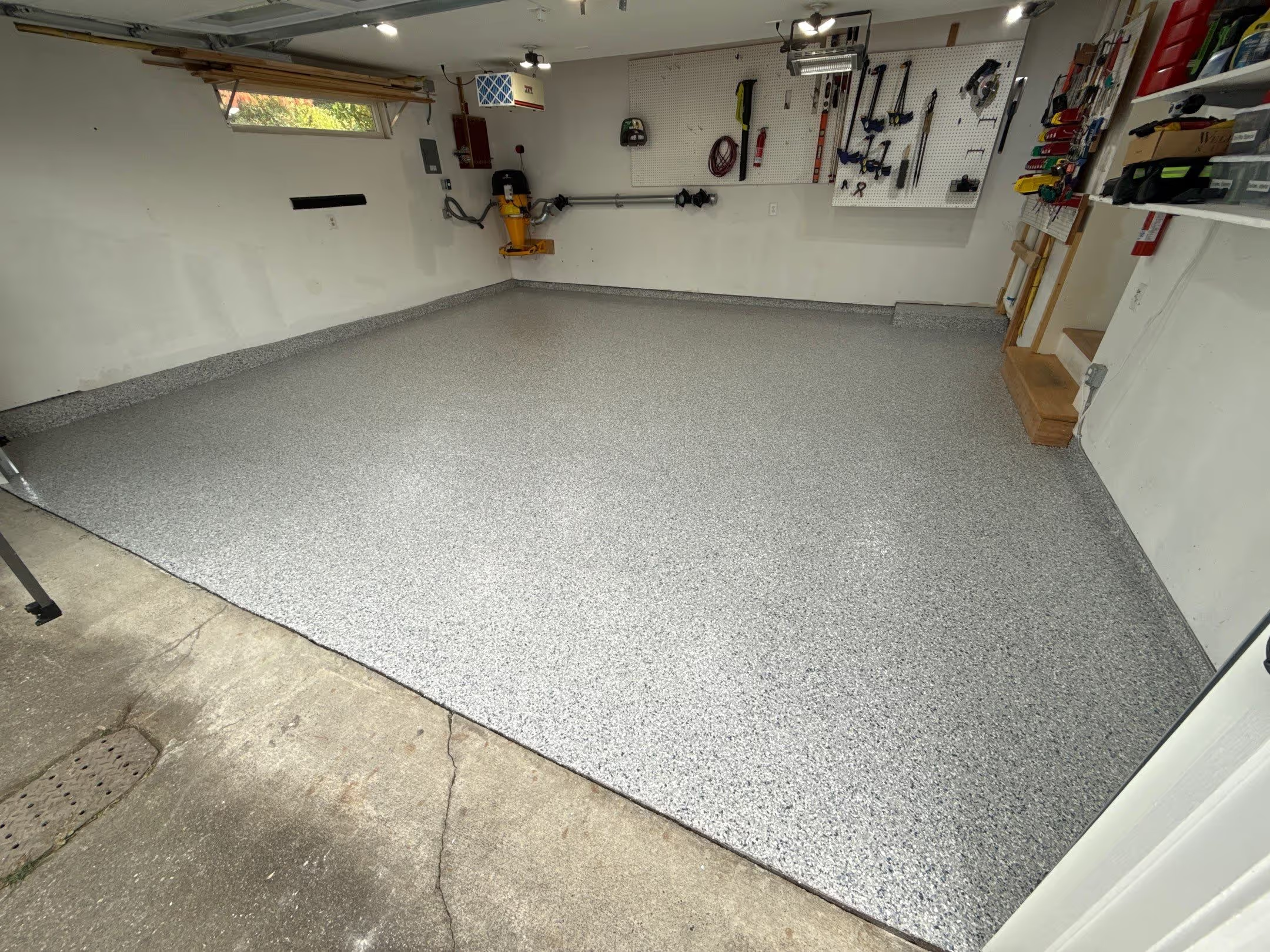
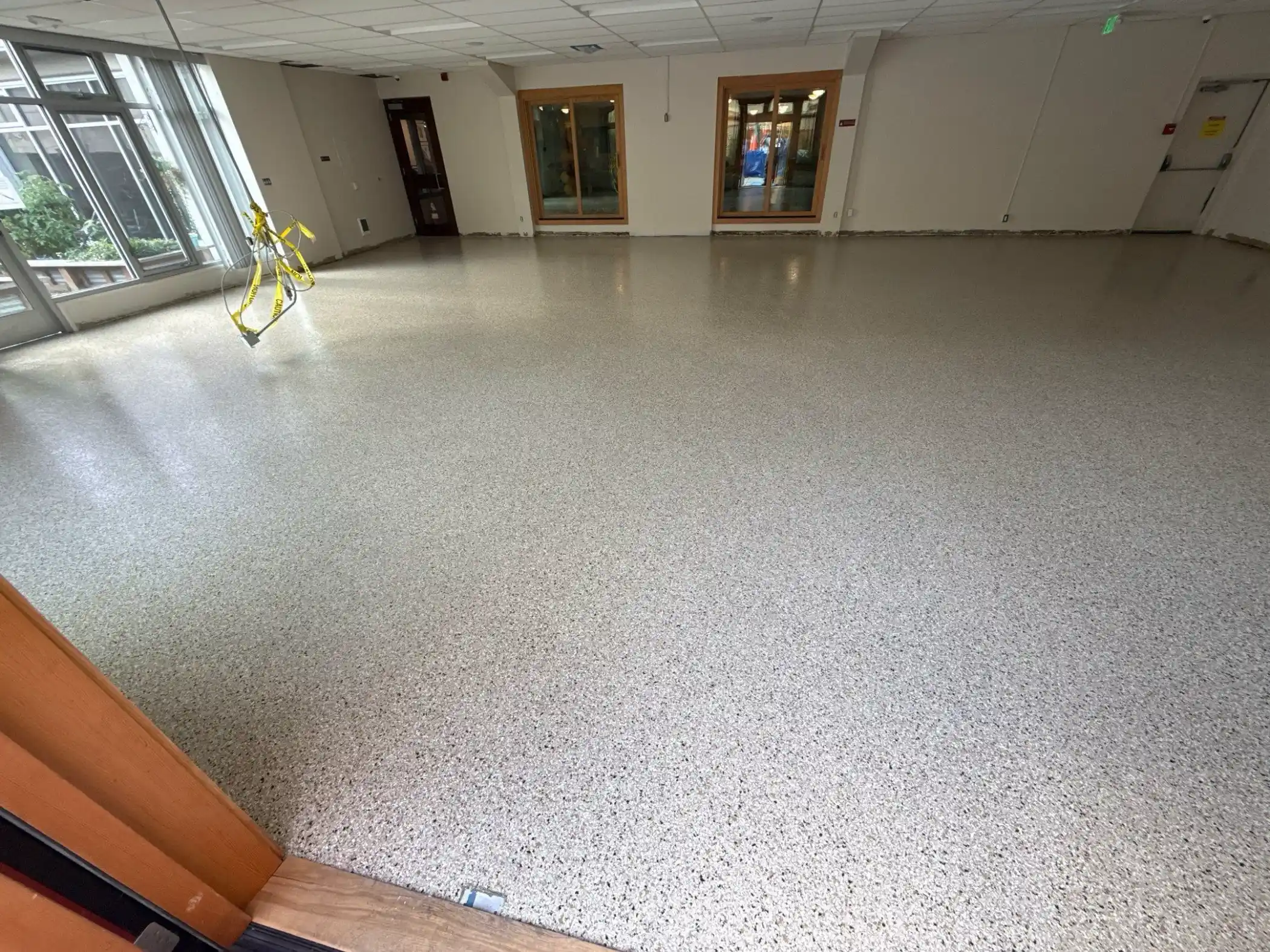
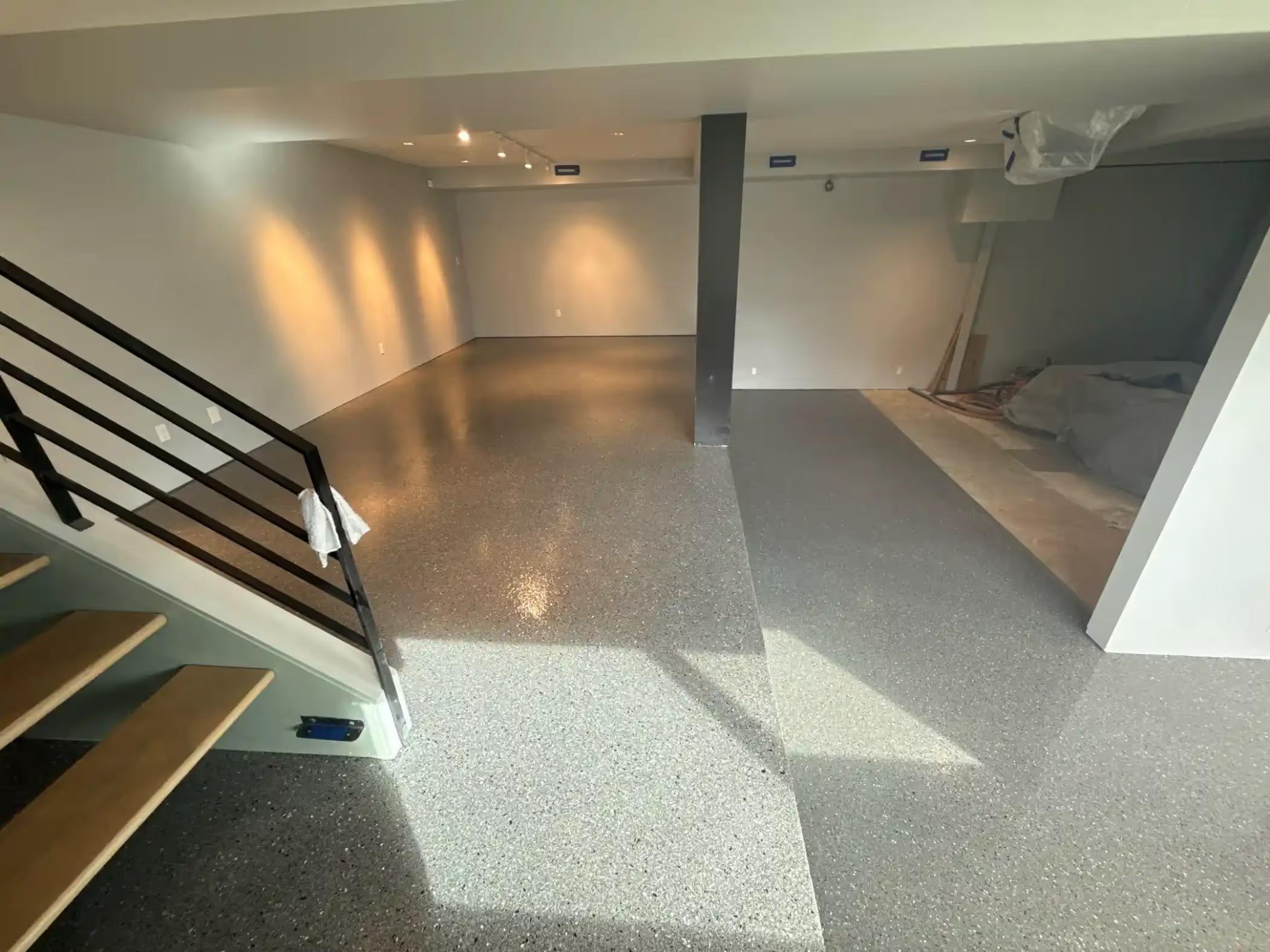
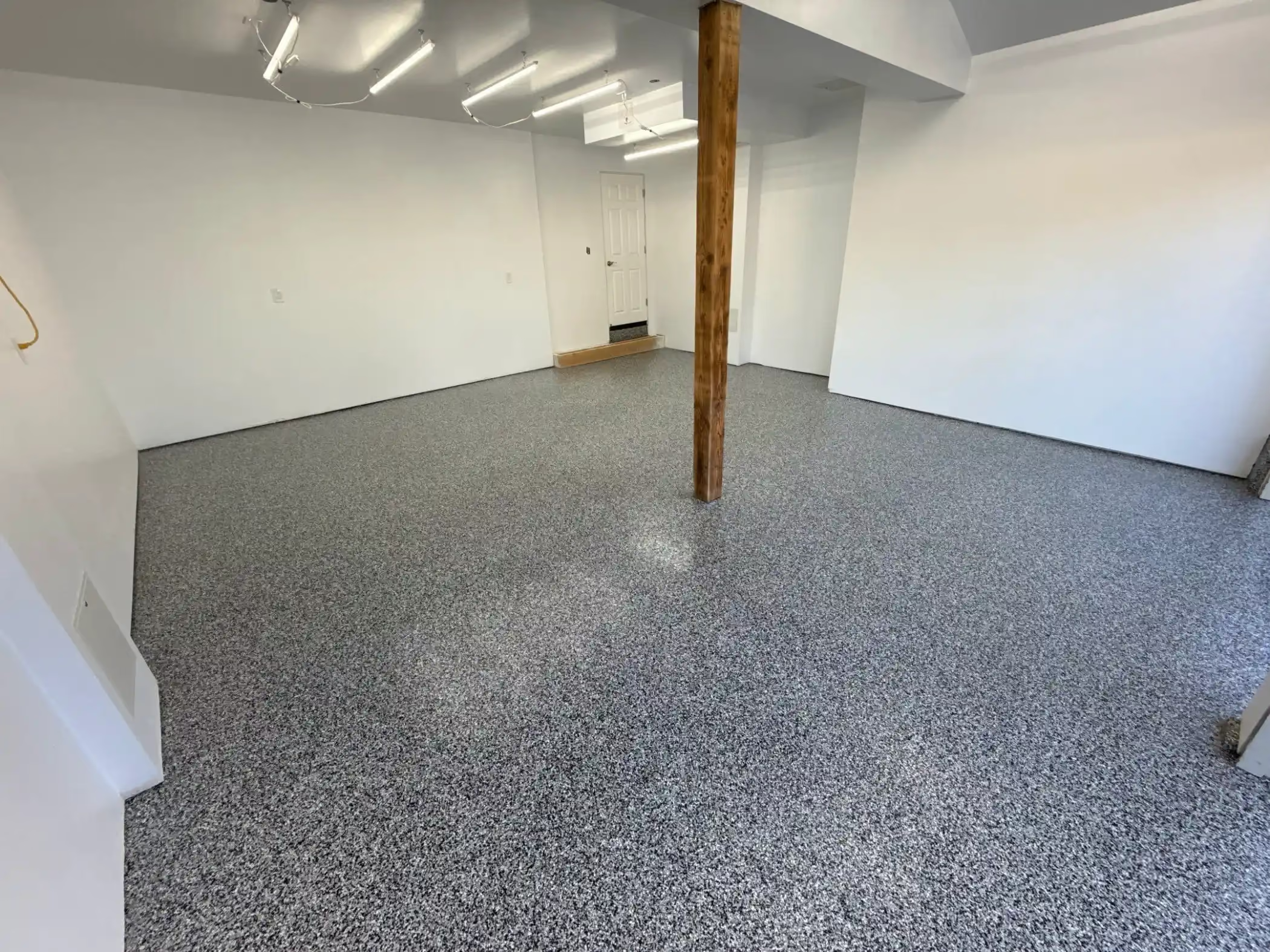
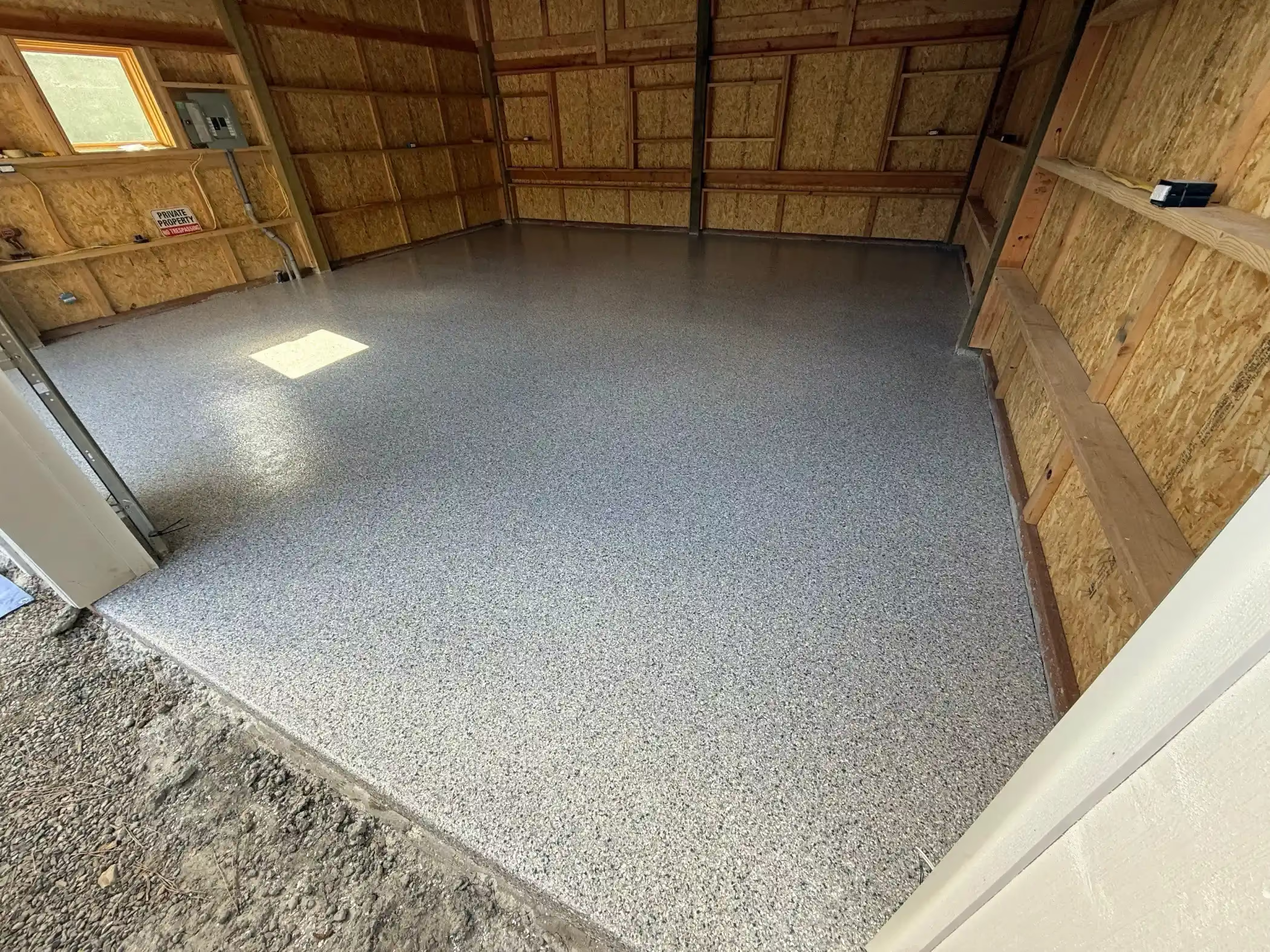
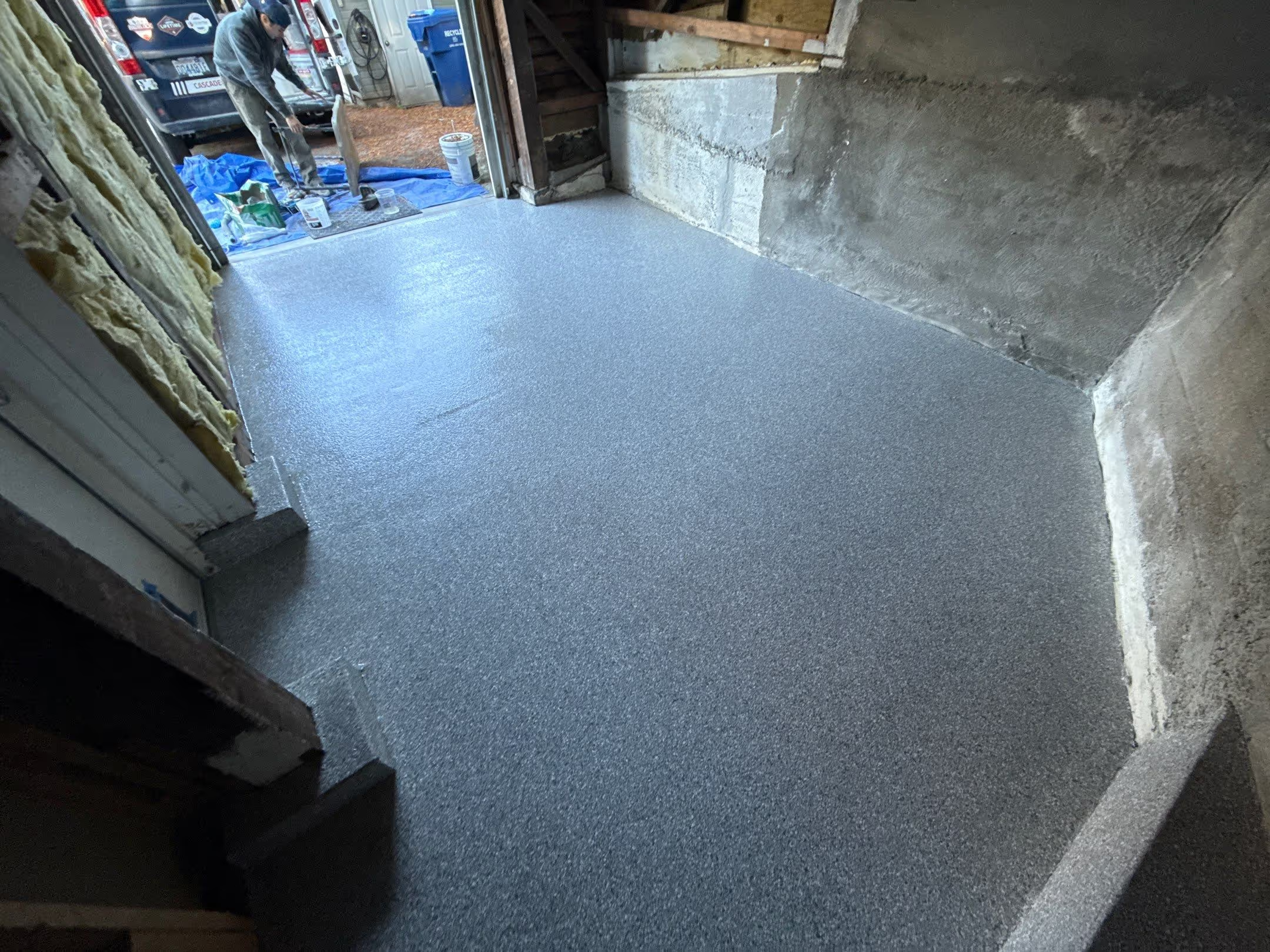
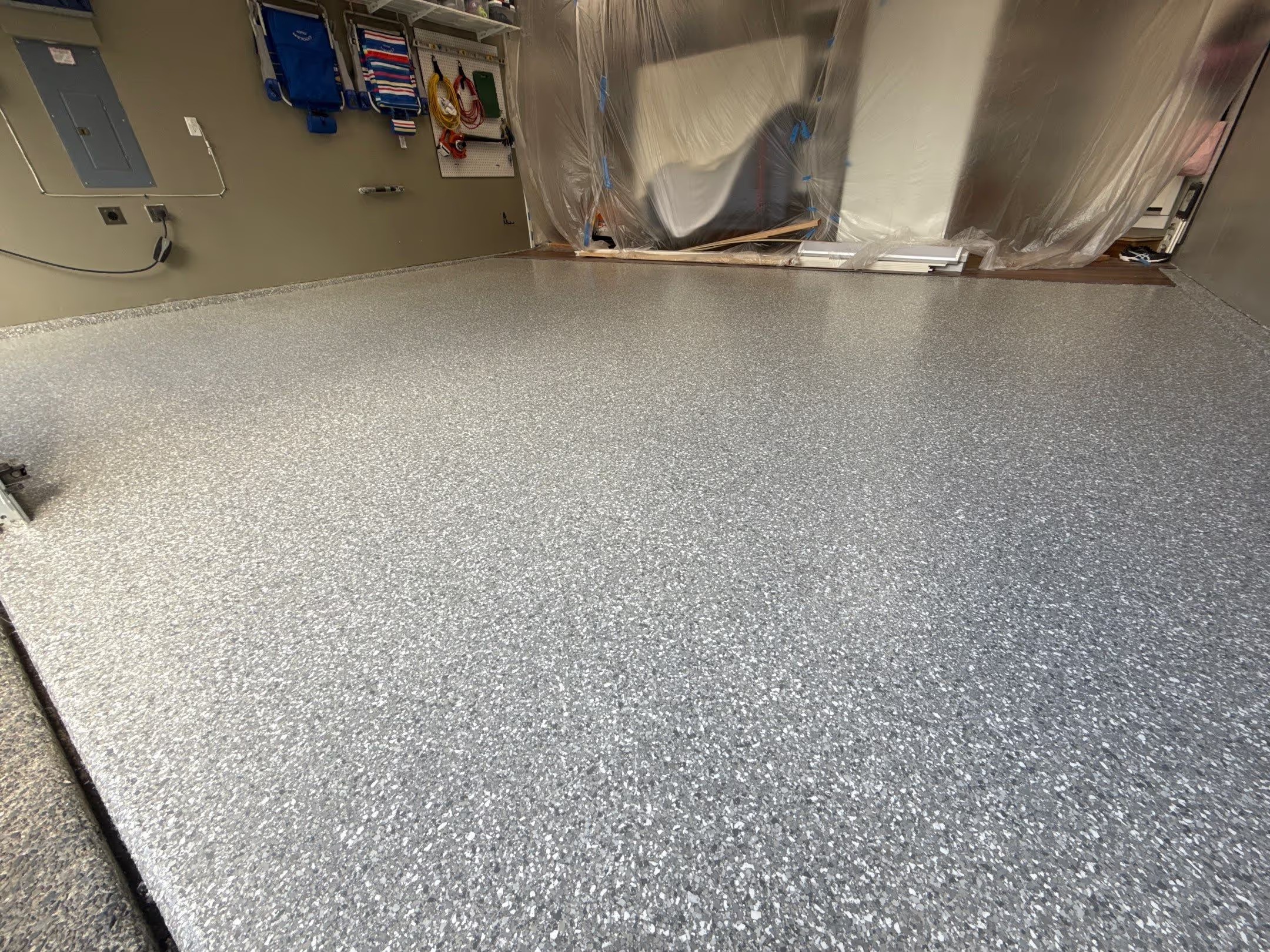
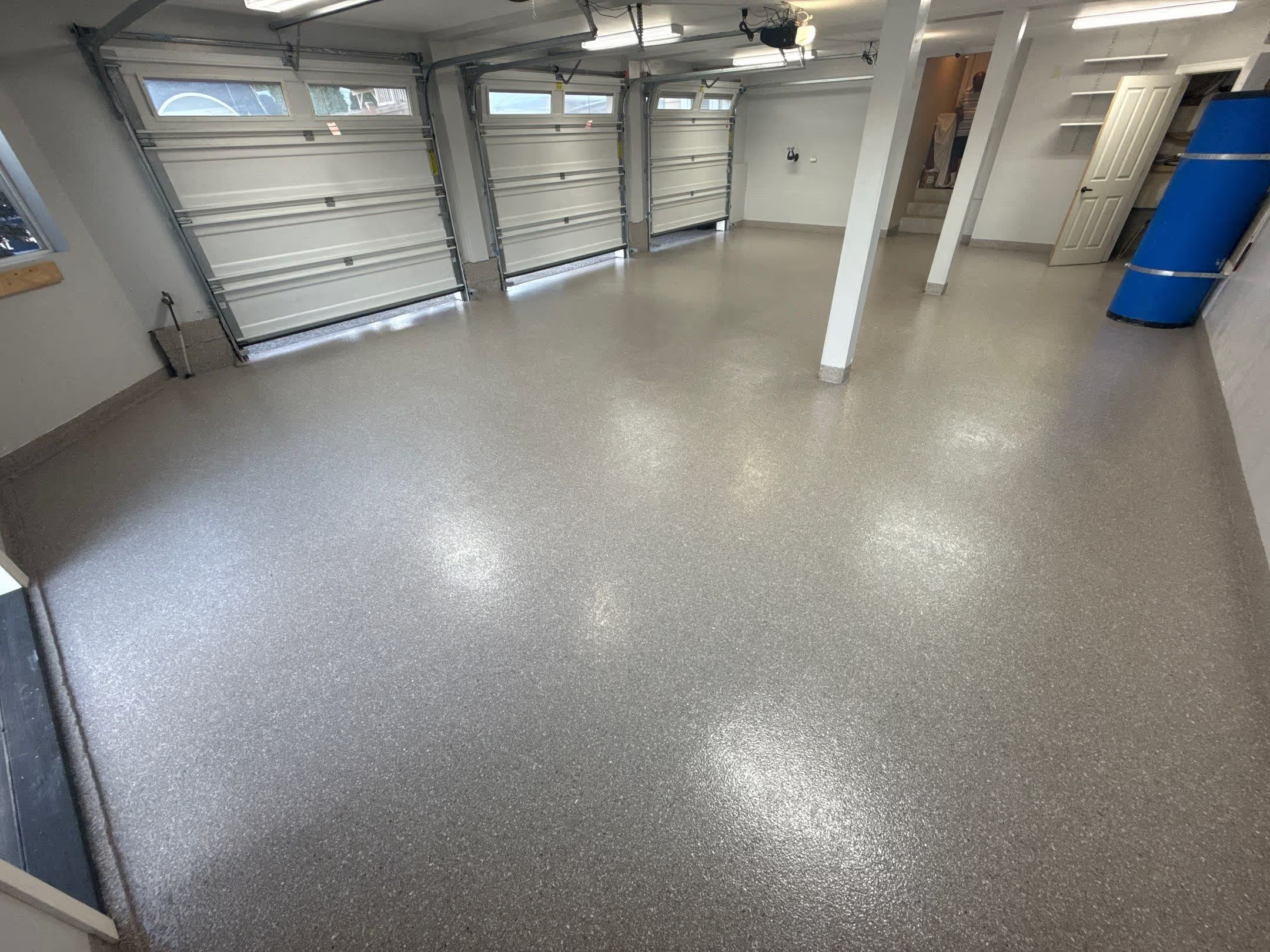
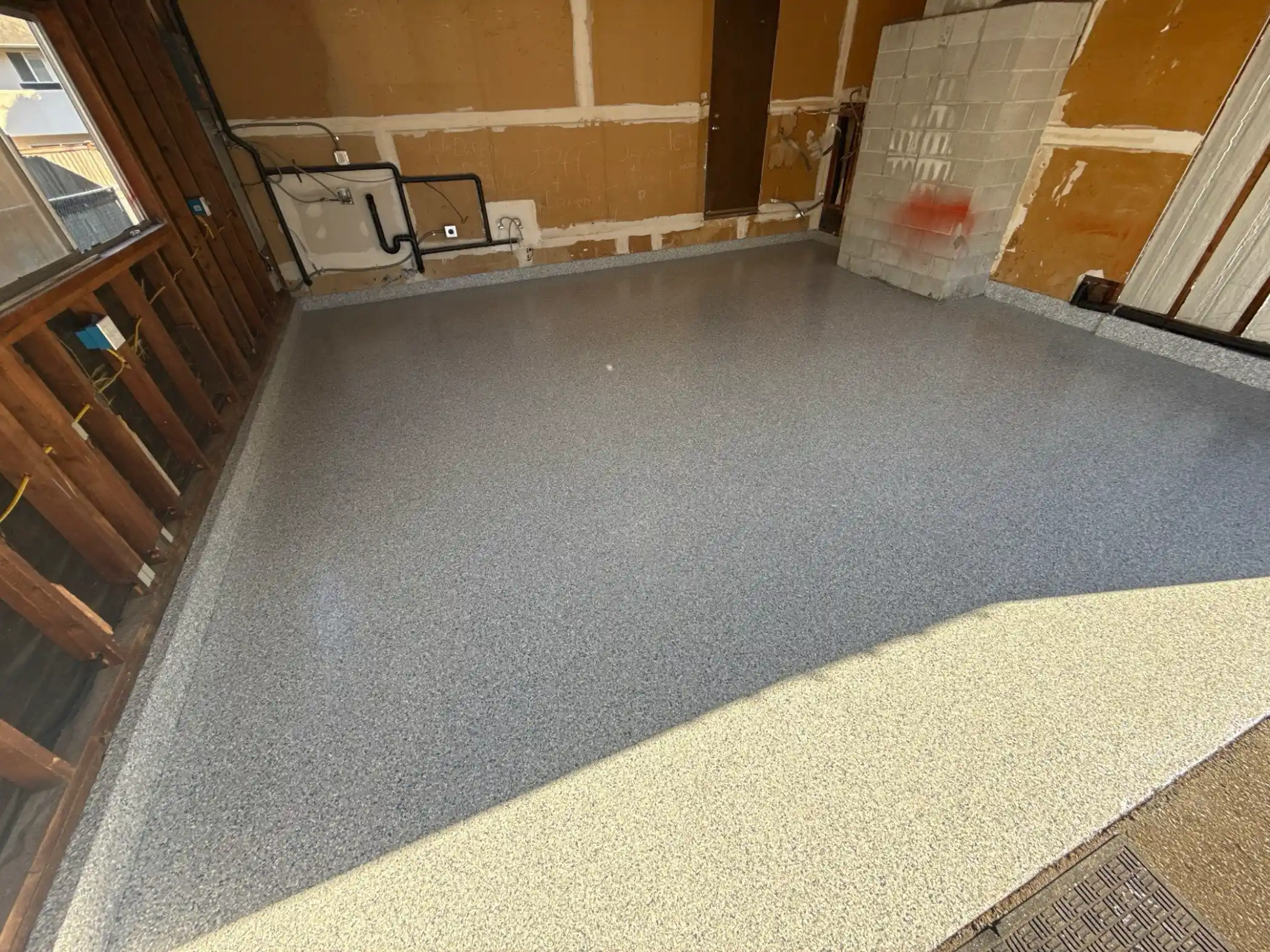
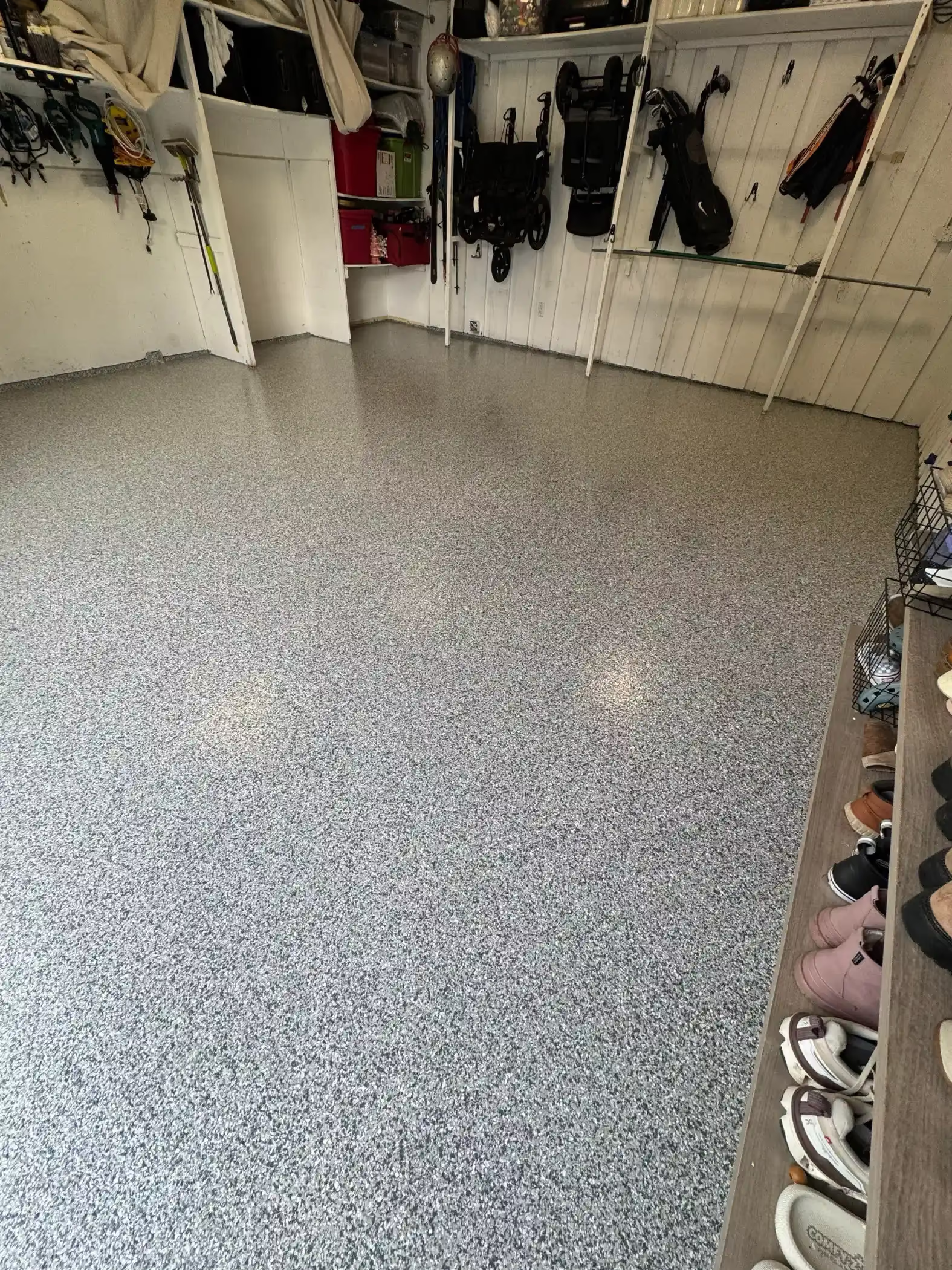
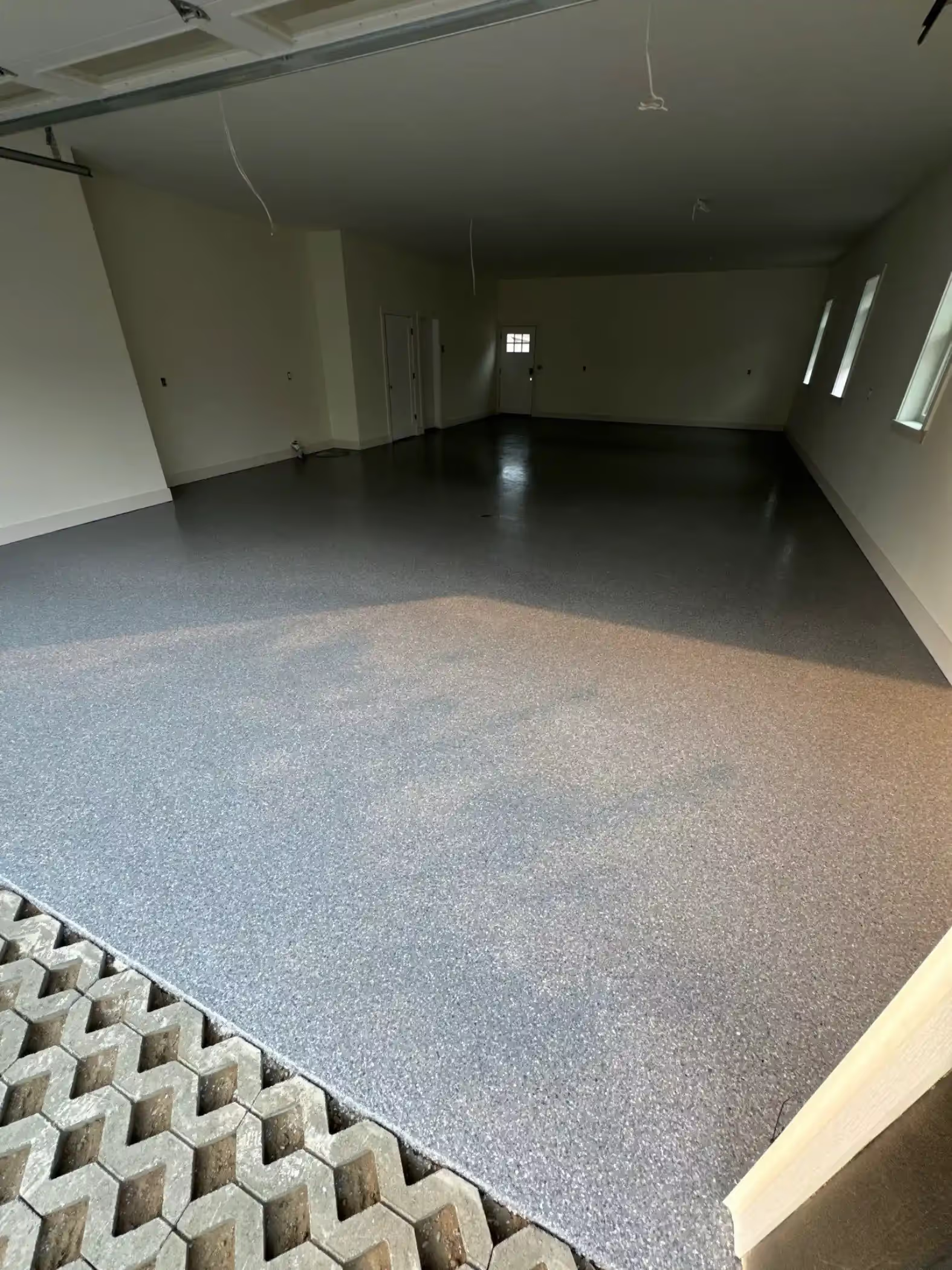
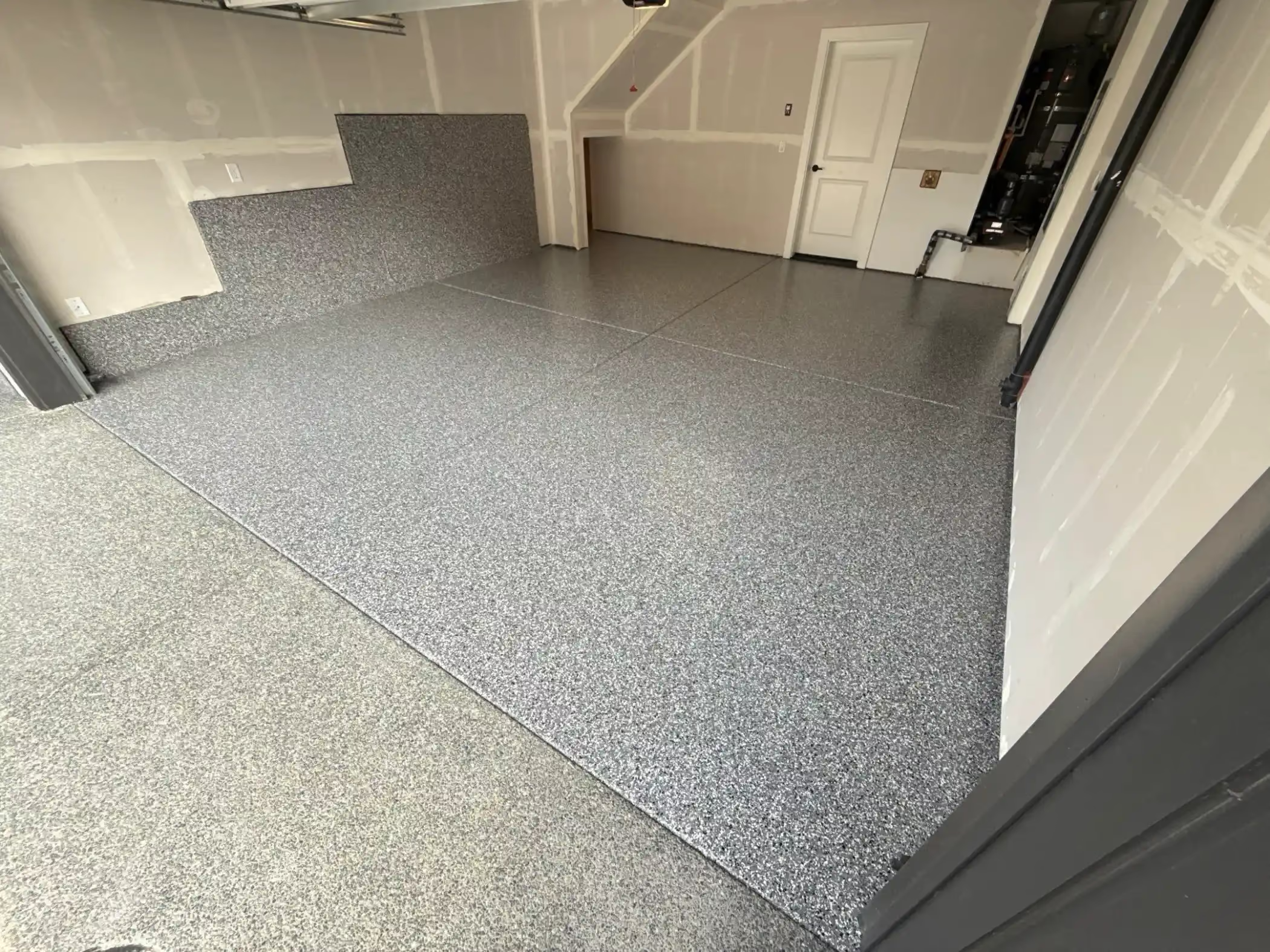
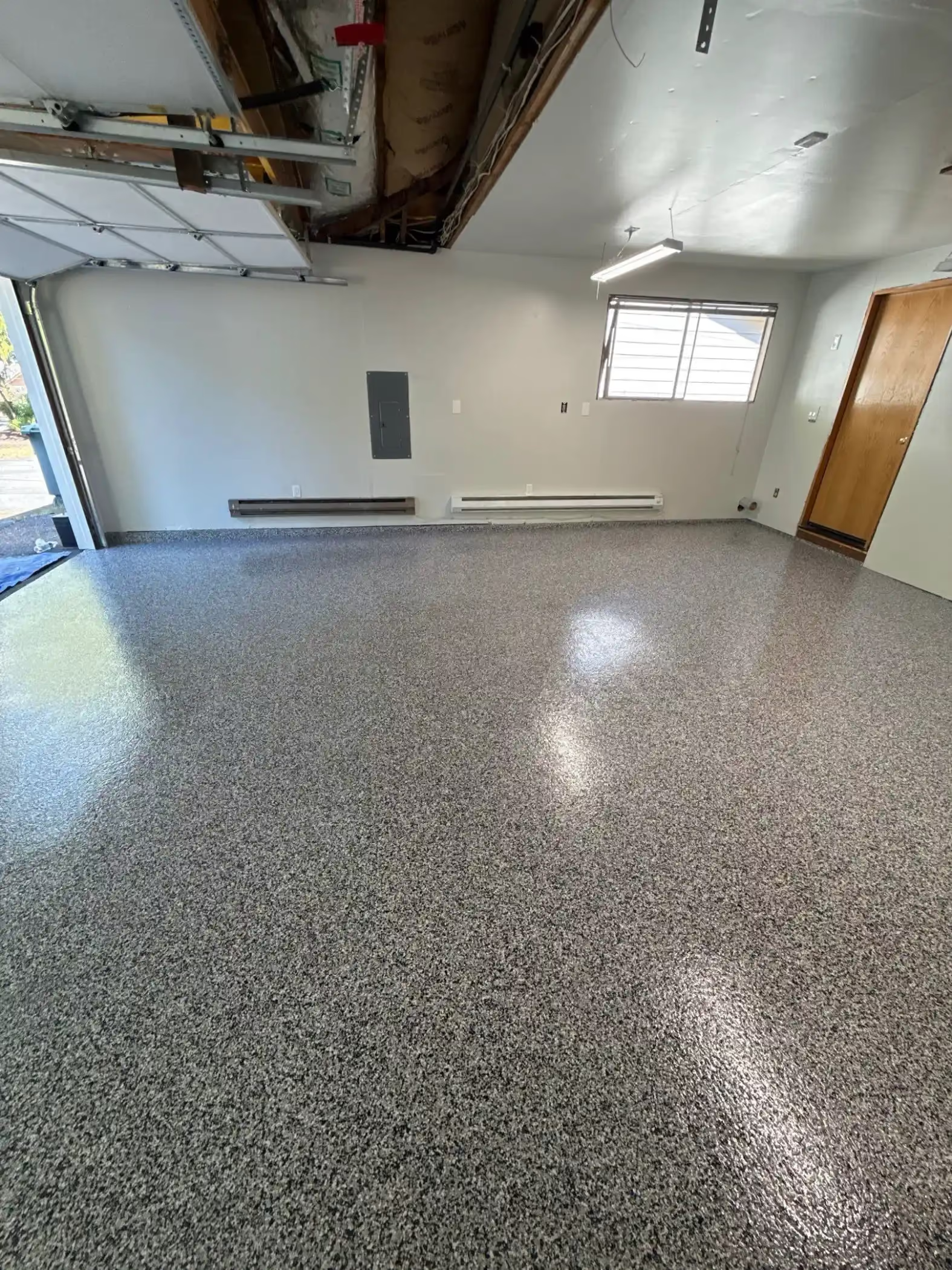
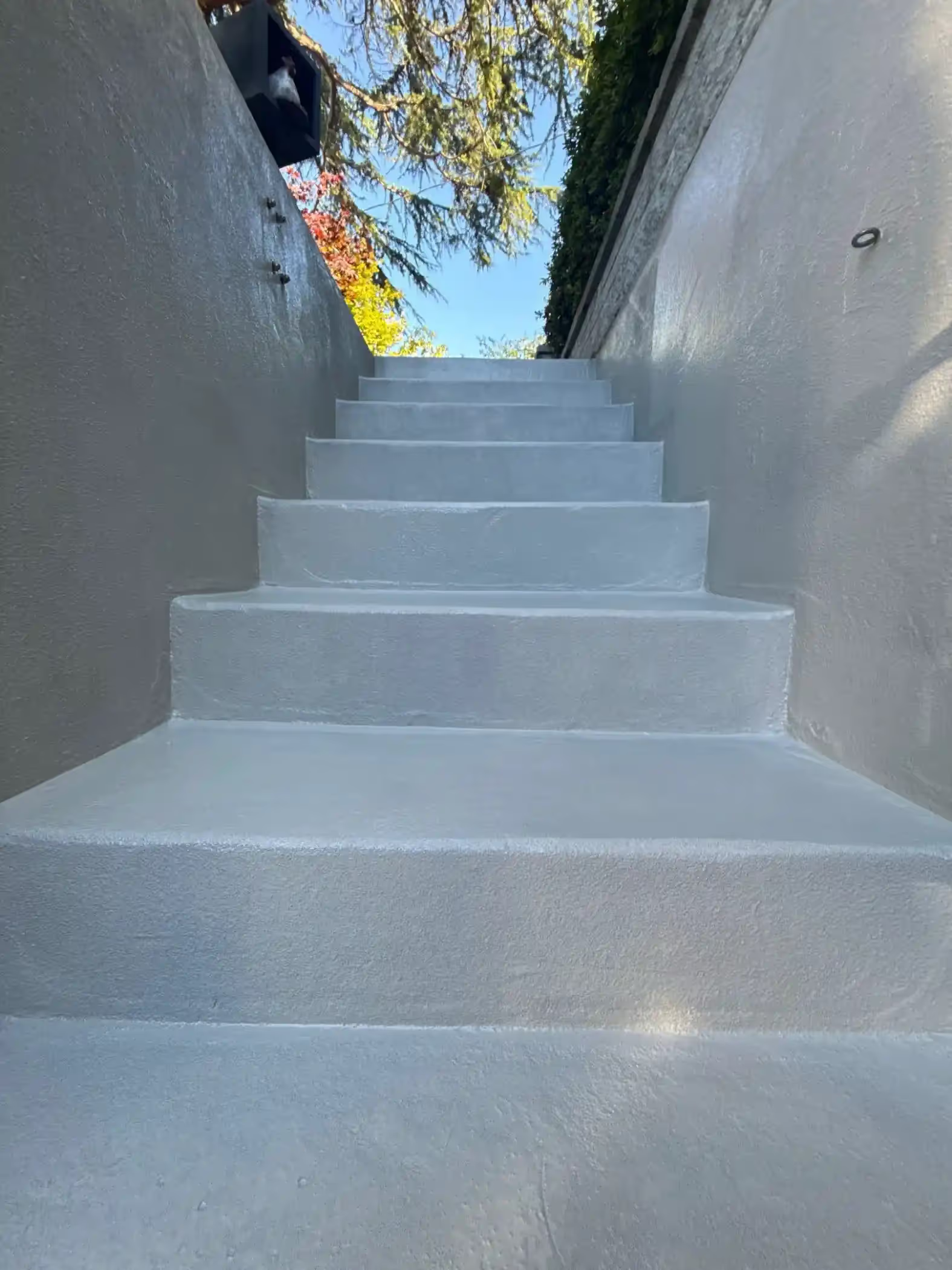
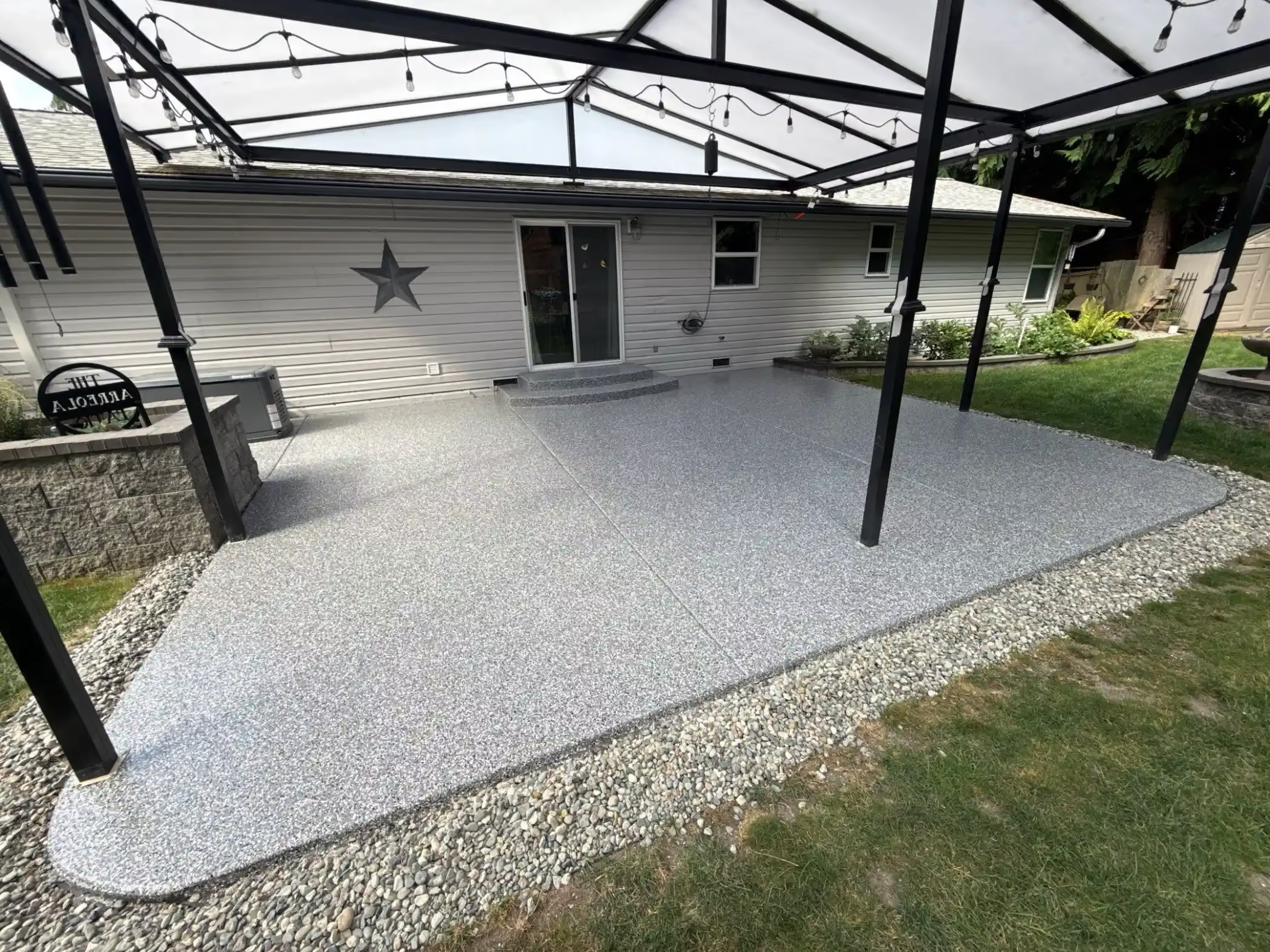
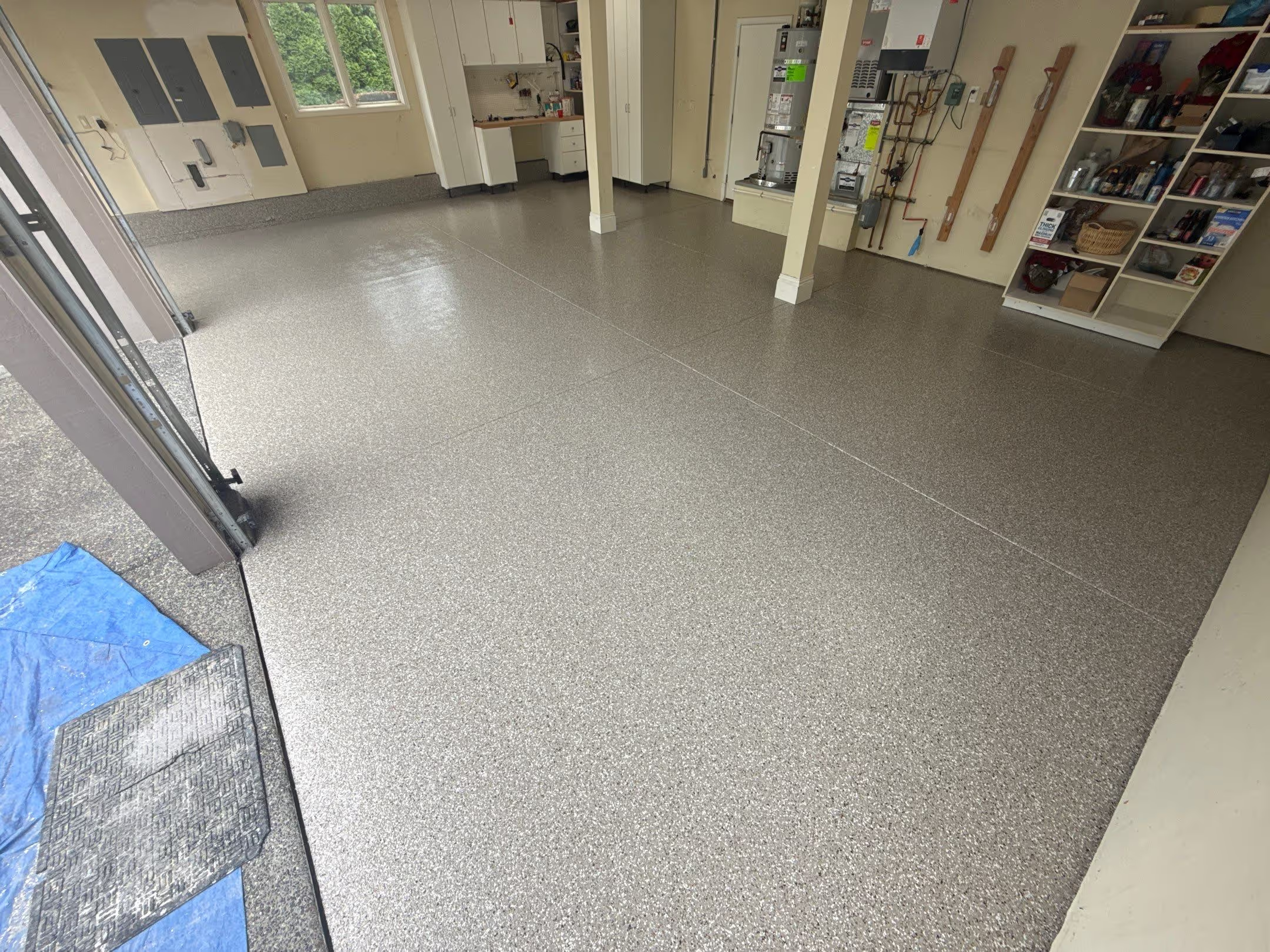
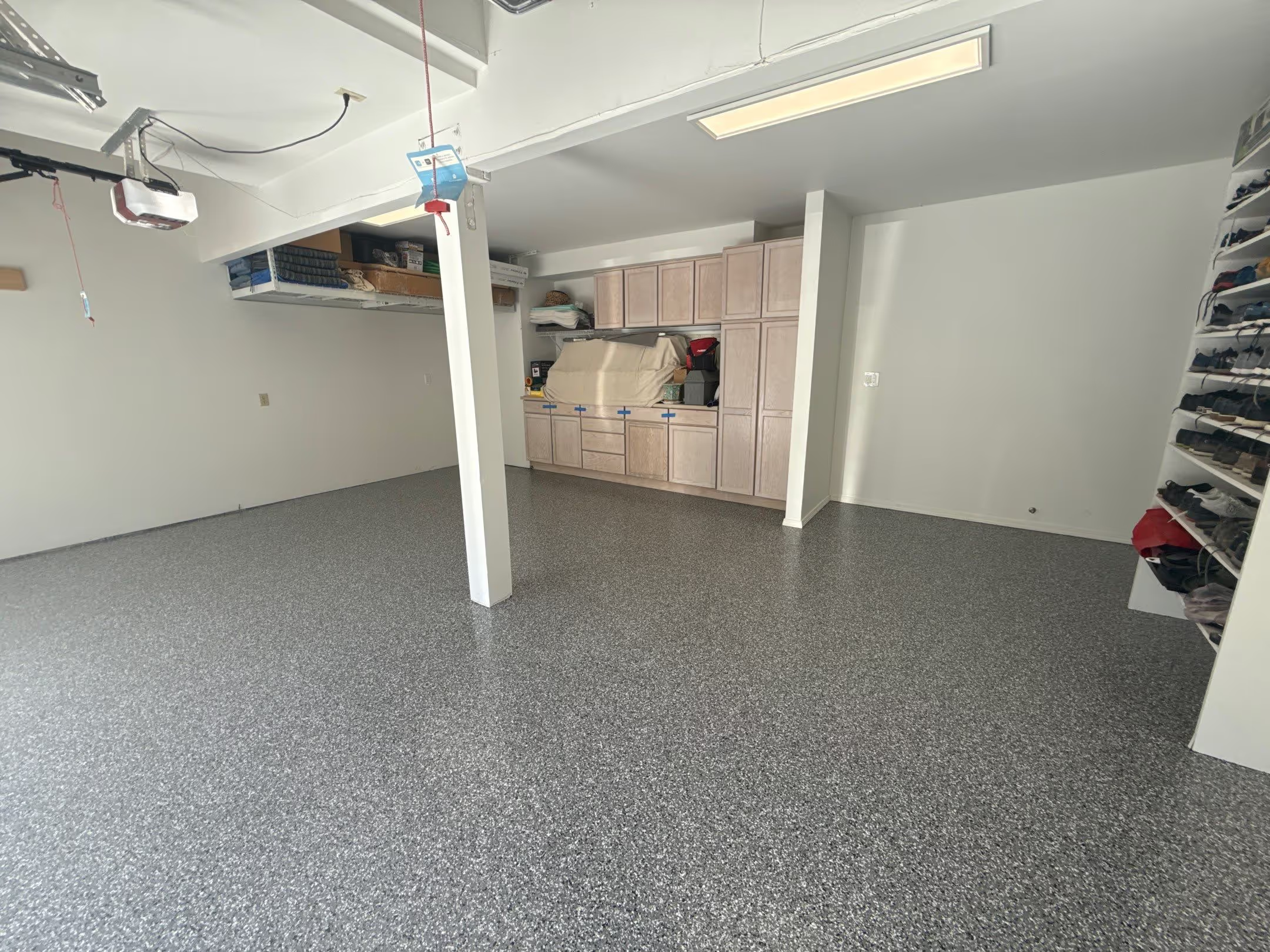
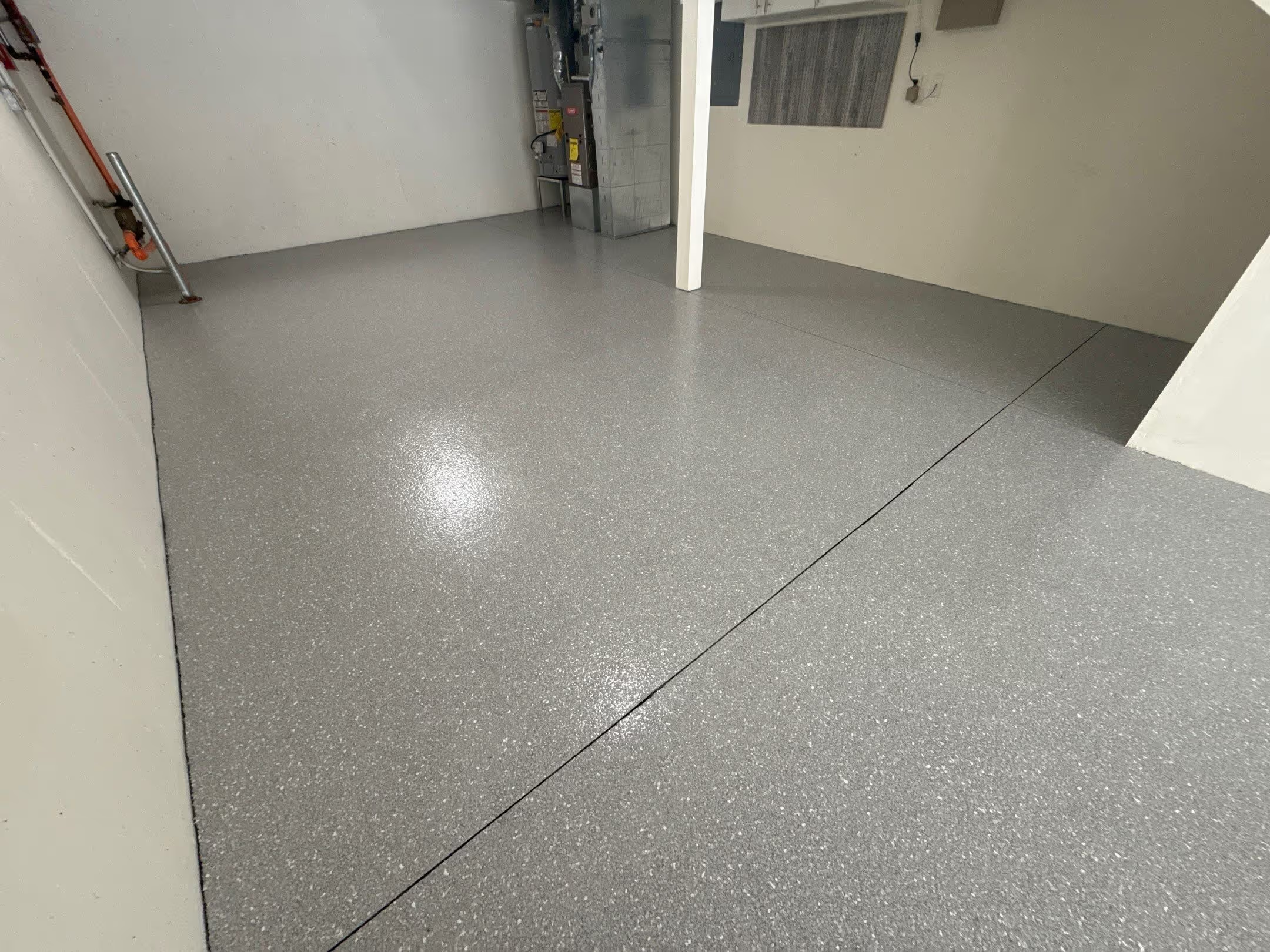
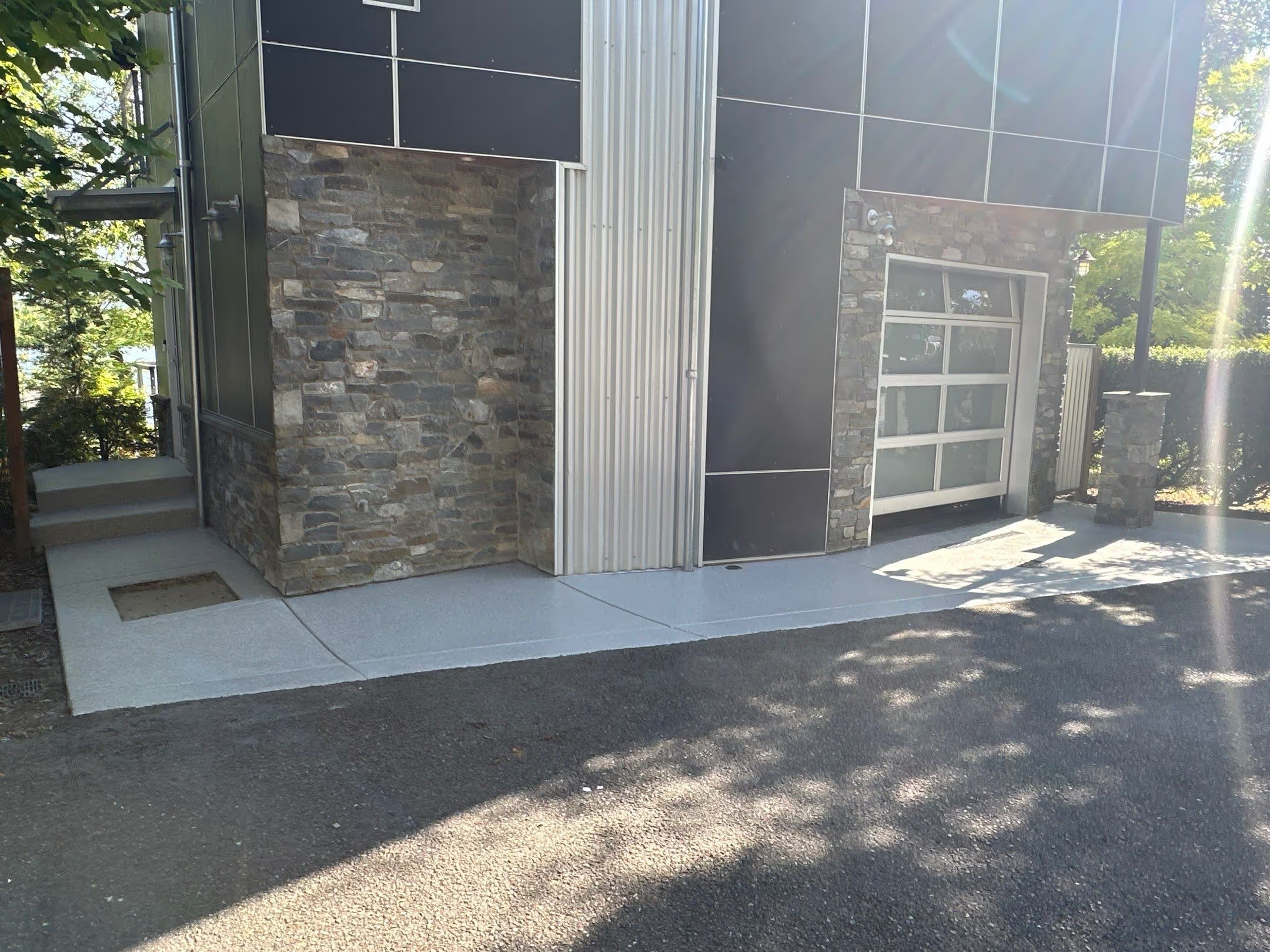
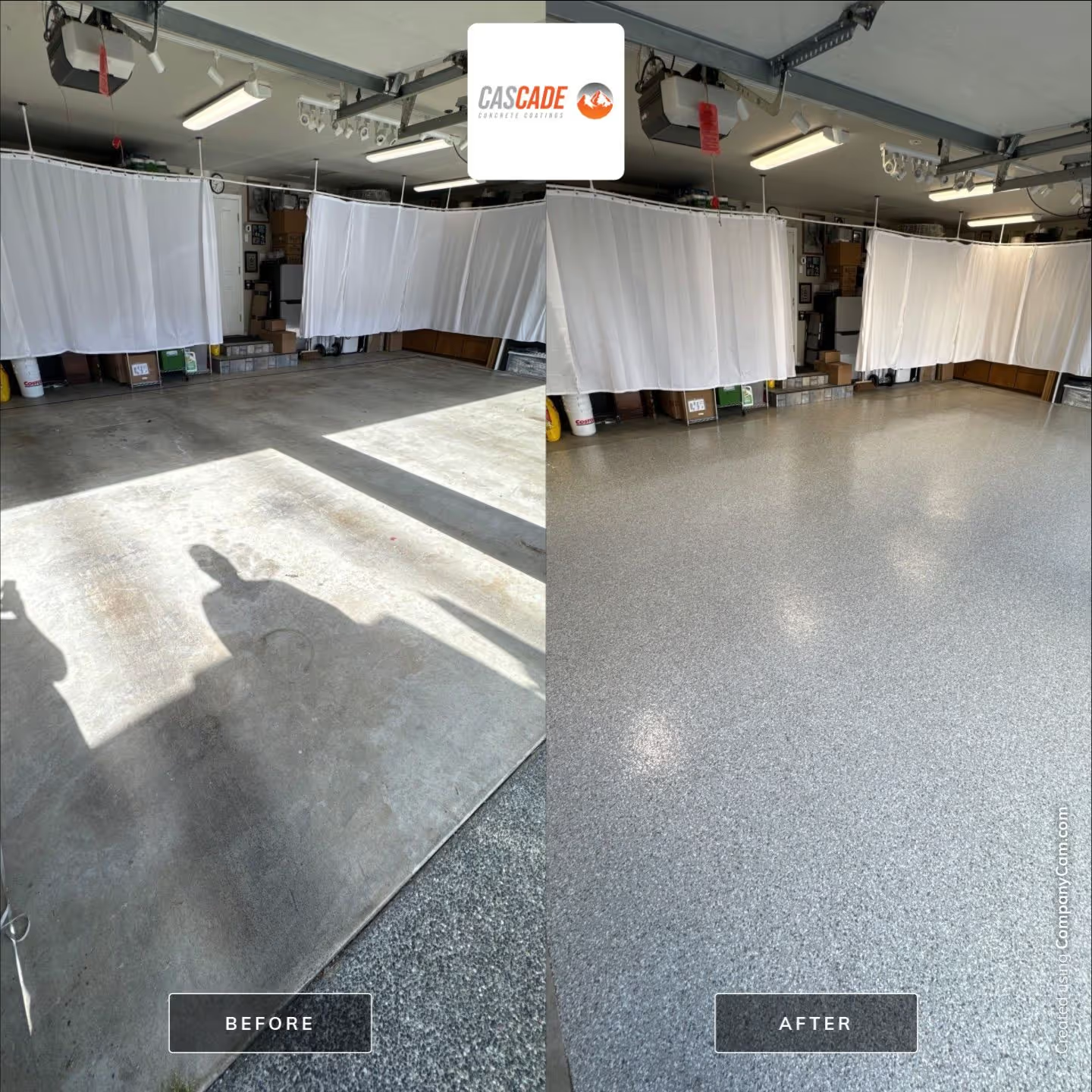
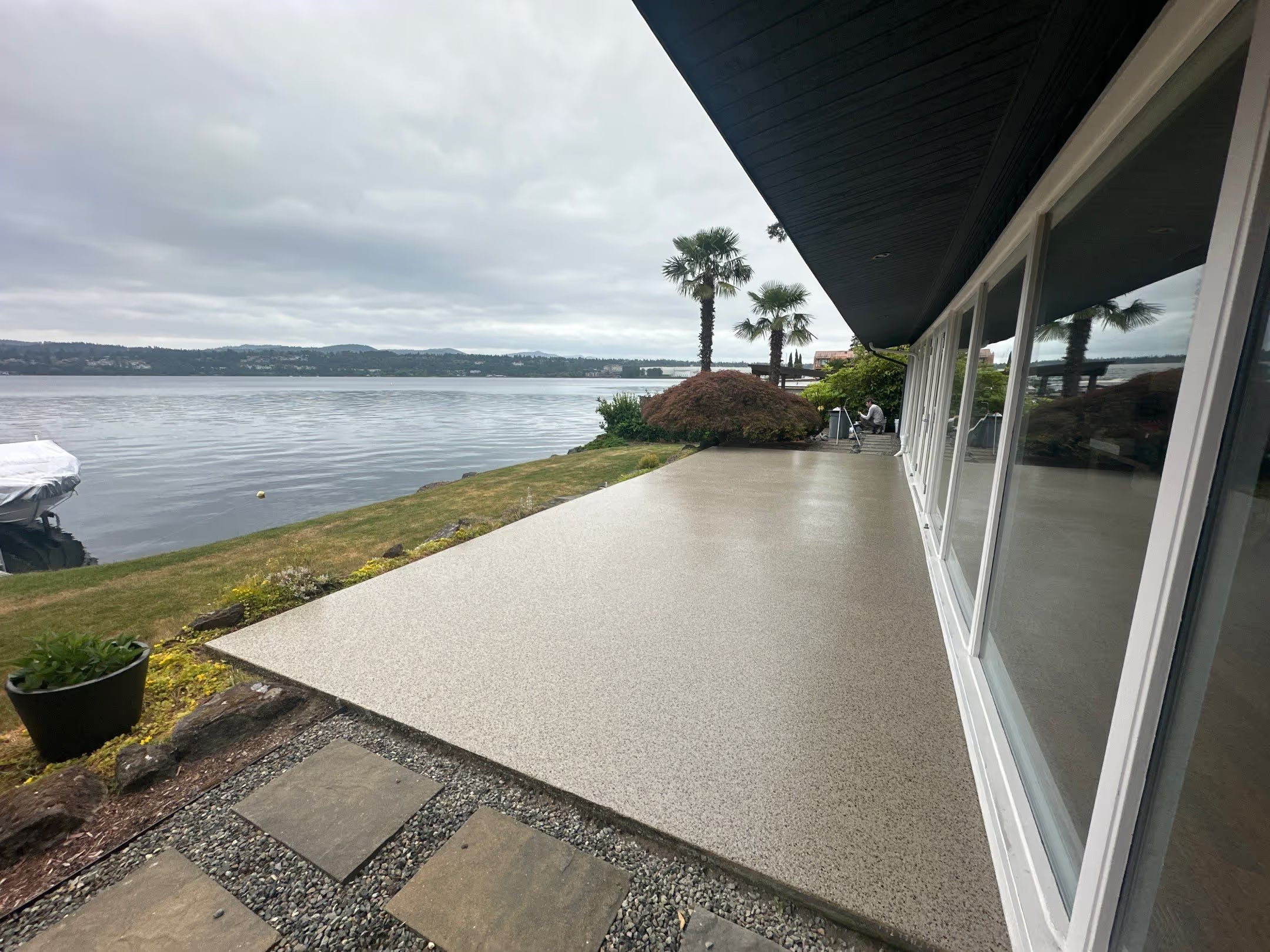
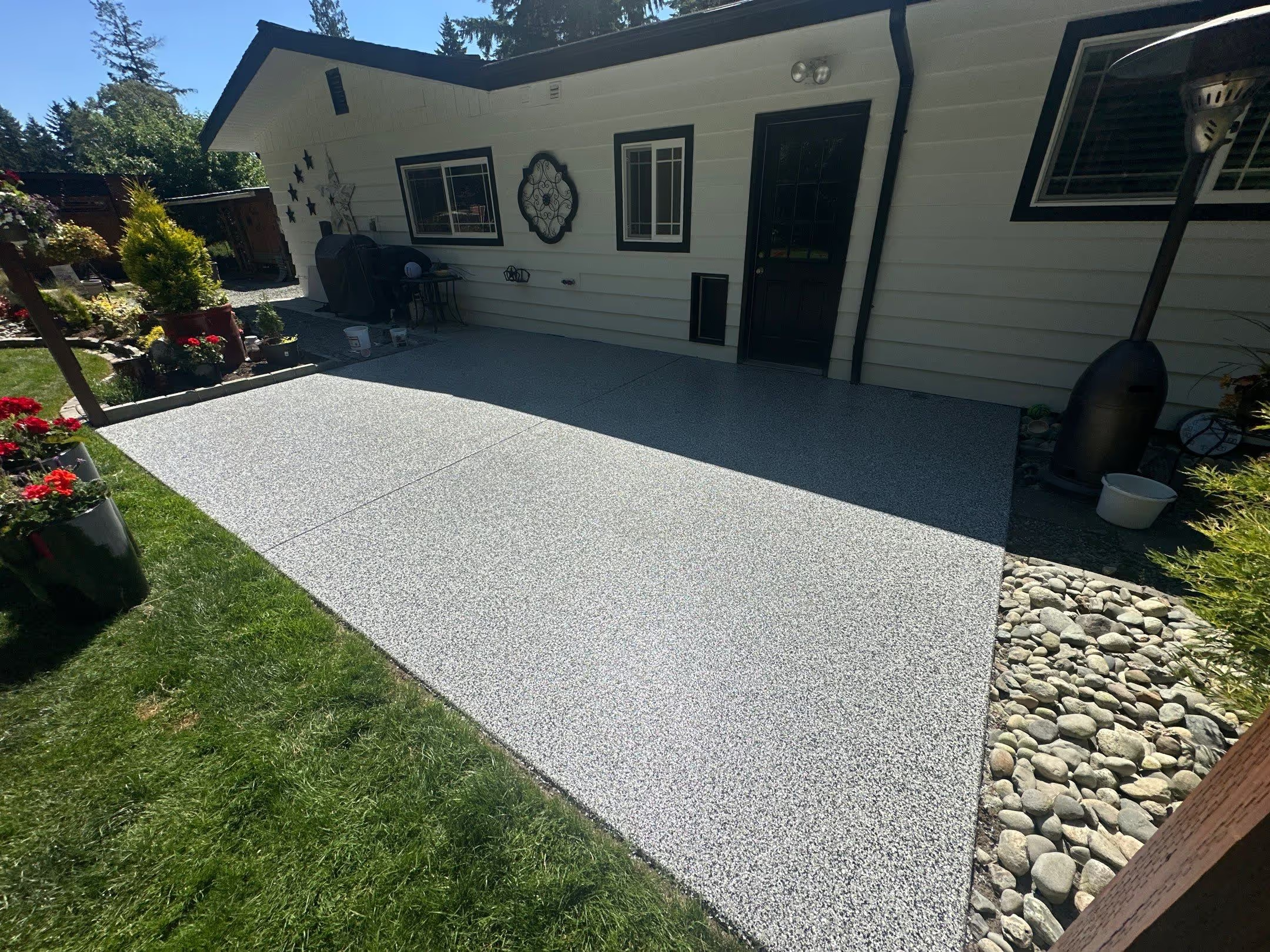
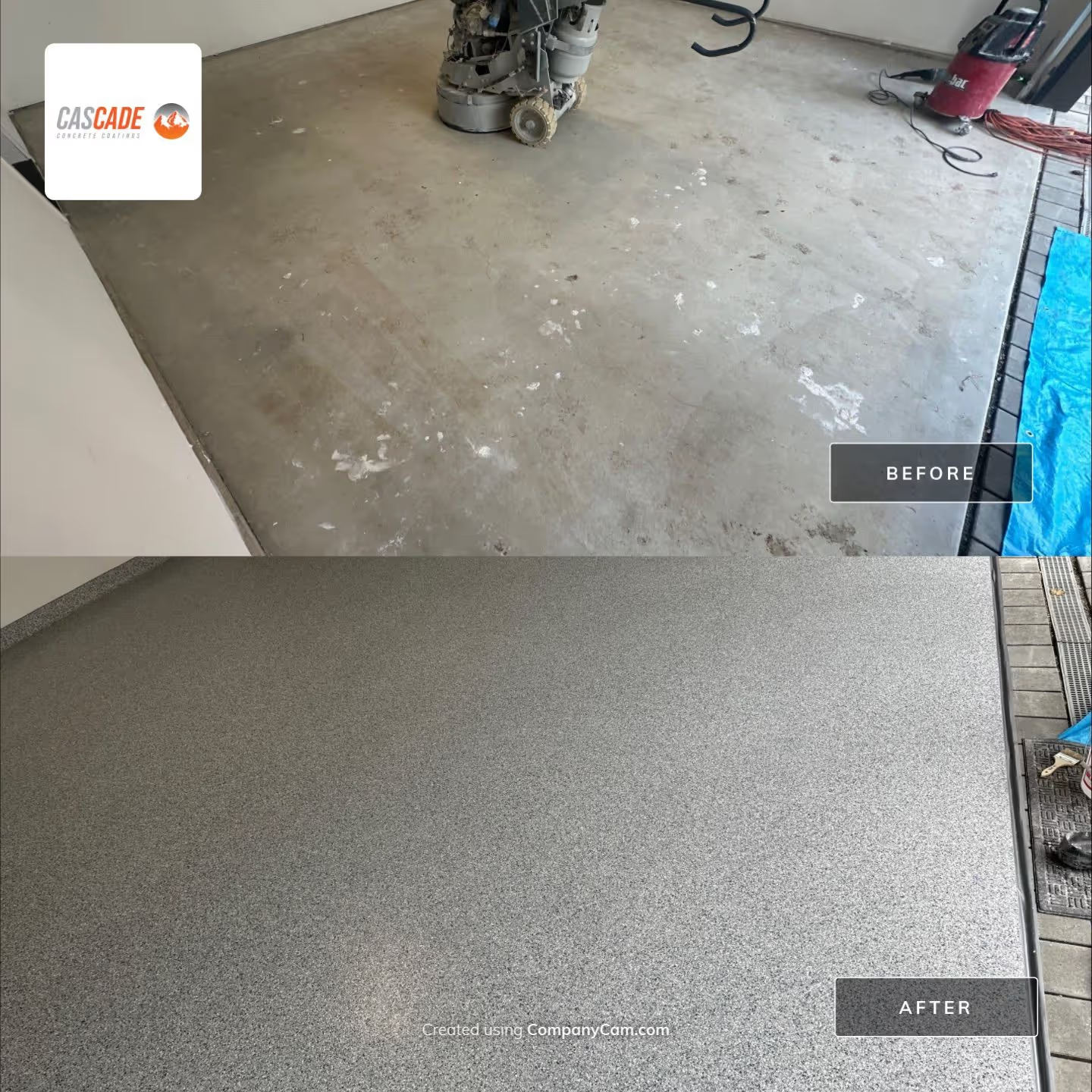
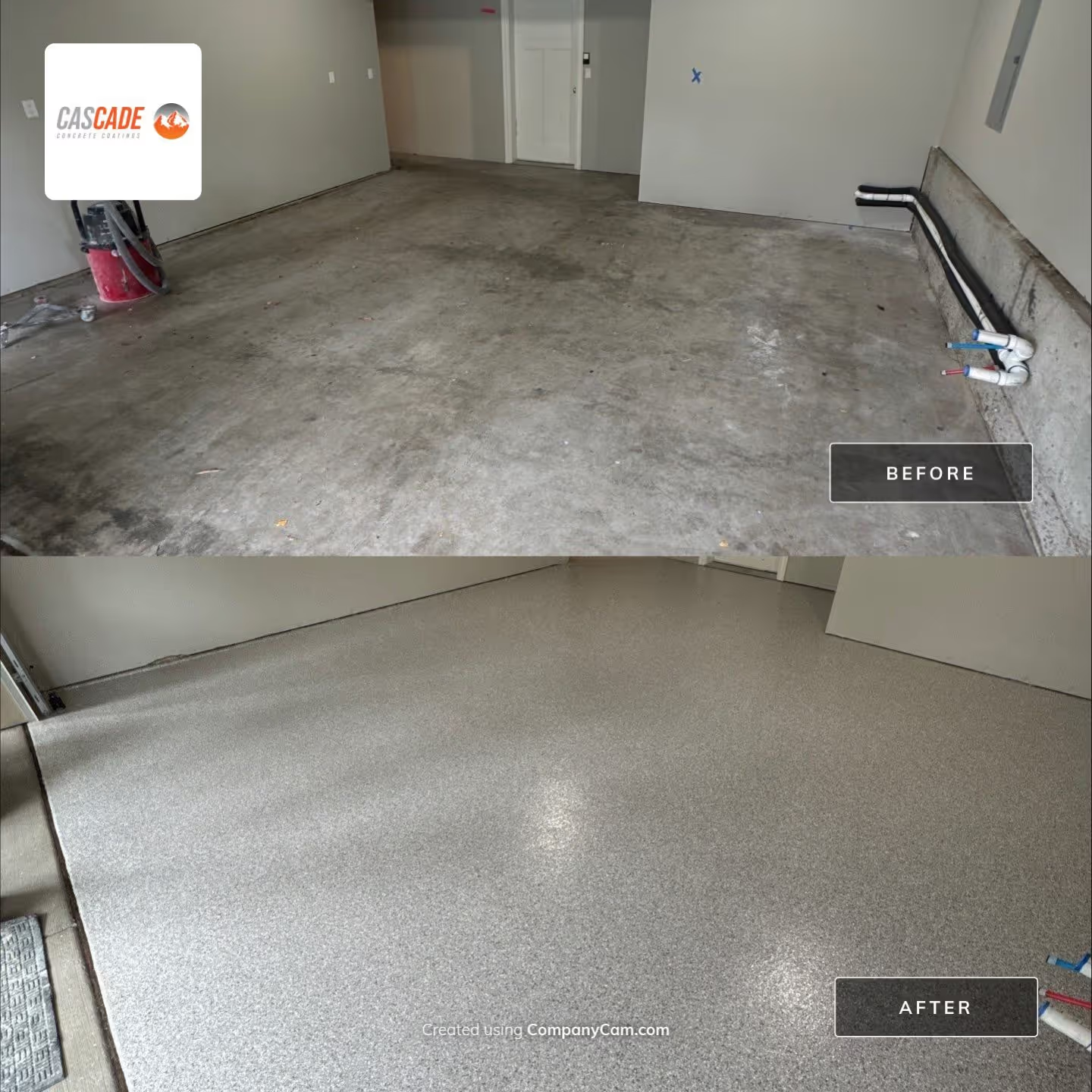
A Mountlake Terrace home transformed their concrete walkway and covered entryway with a tan Penntek polyurea coating system, creating a slip-resistant, weather-protected surface that'll last 30+ years instead of typical coating failures in 5-7 years.
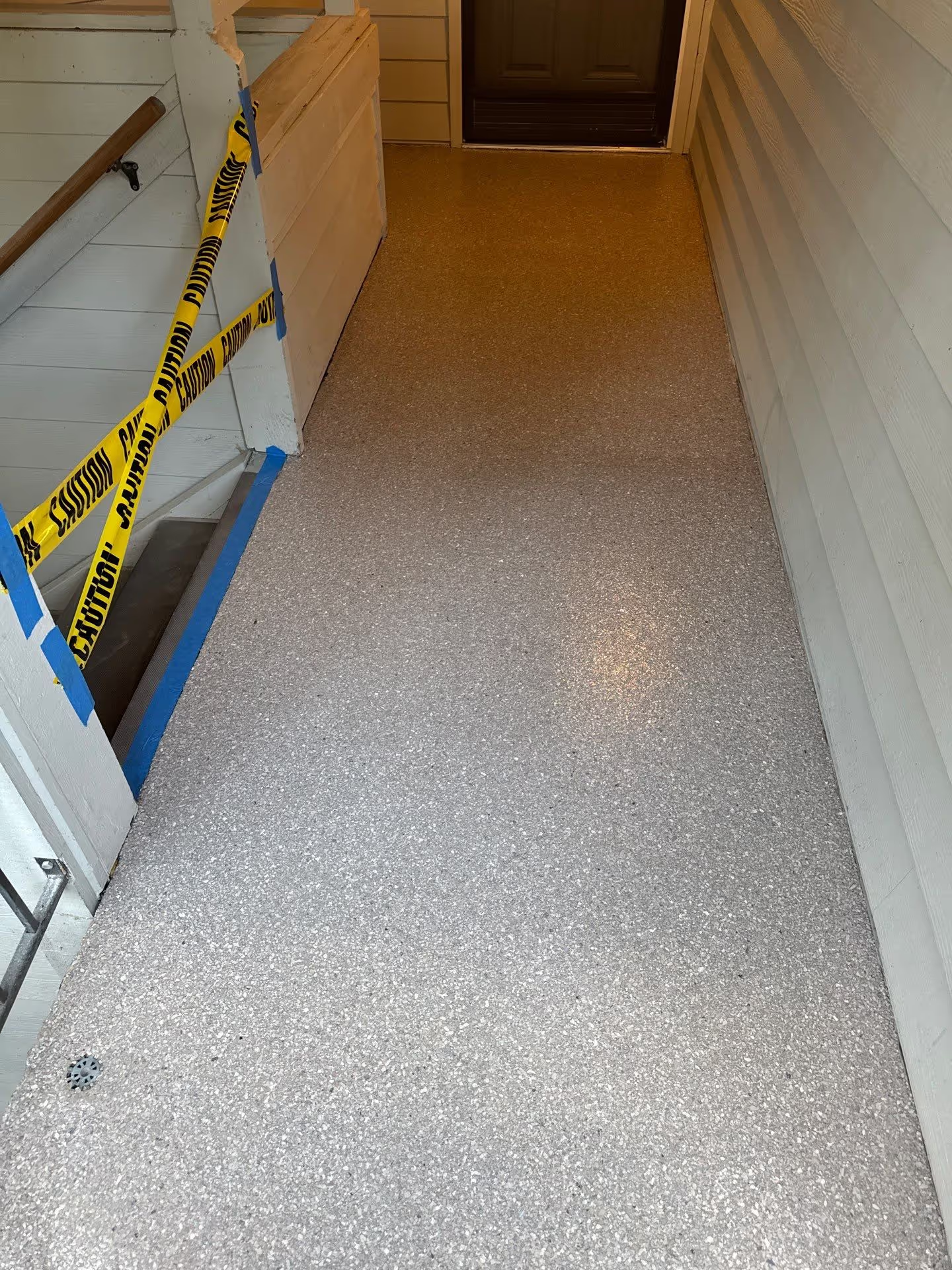

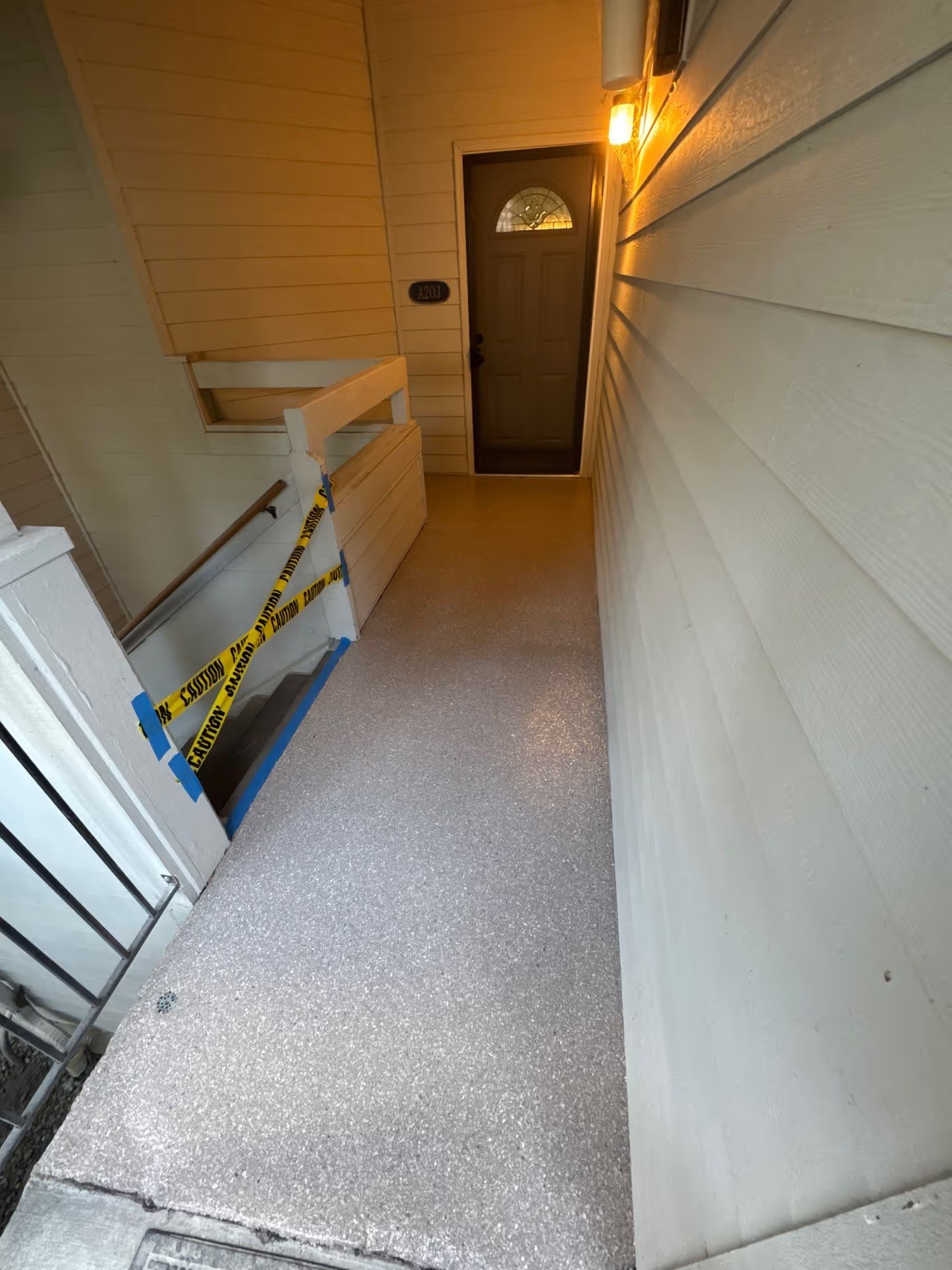
Most people think about coating garage floors but overlook walkways and entryways. That's actually backwards when you consider what these surfaces deal with. Walkways get direct weather exposure, foot traffic tracking in dirt and moisture, freeze-thaw cycles in winter, and UV exposure year-round. All of that while needing to stay safe and slip-resistant.
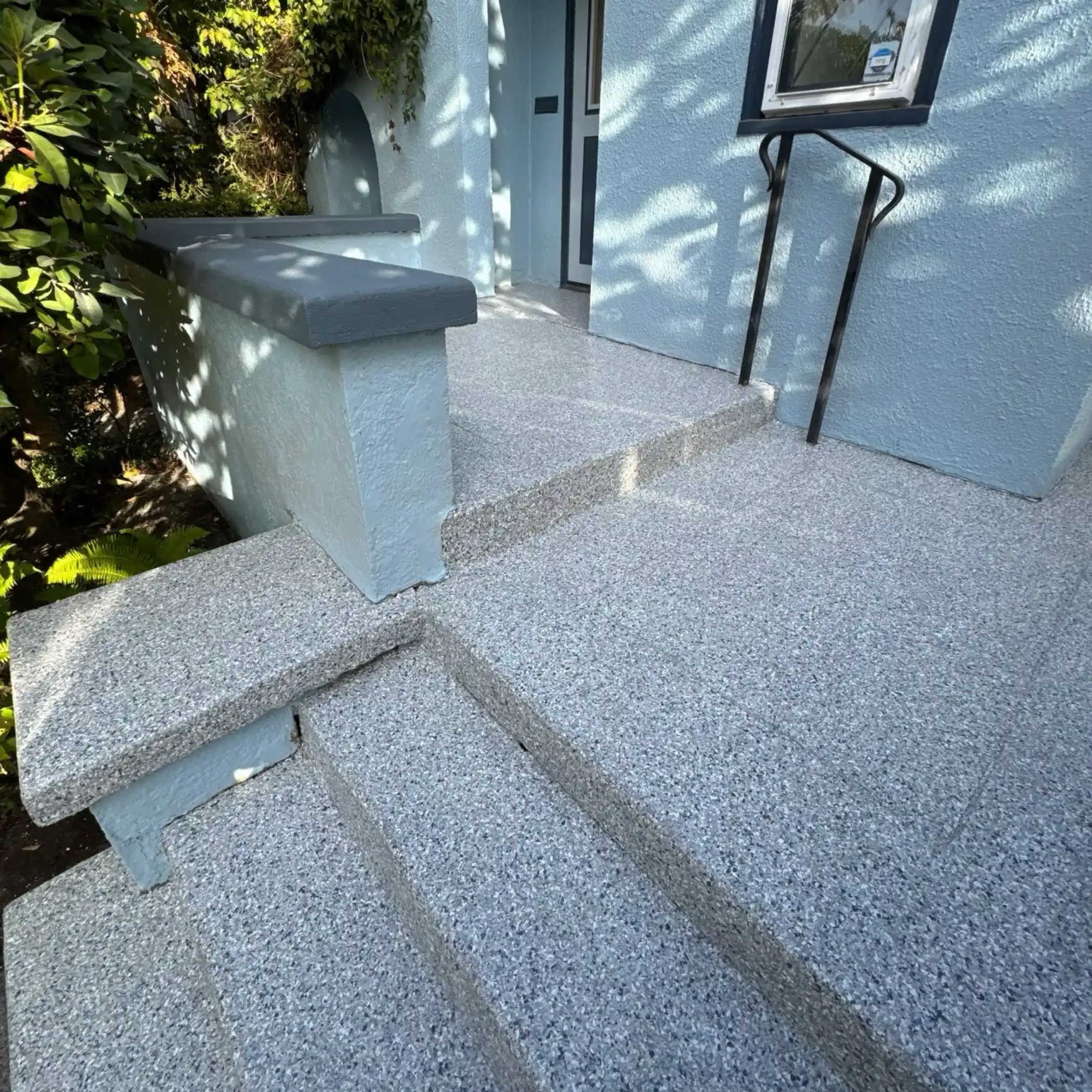
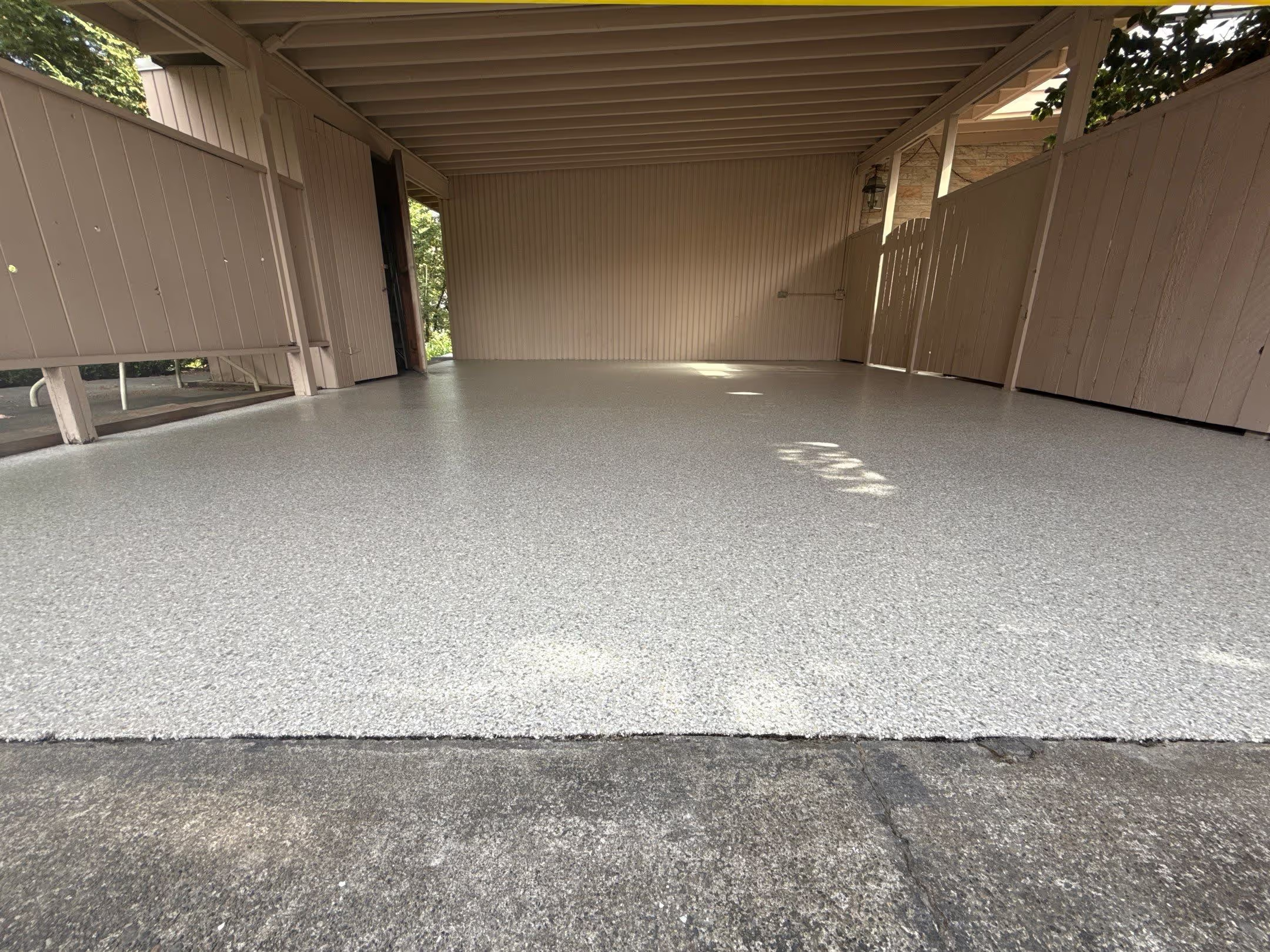
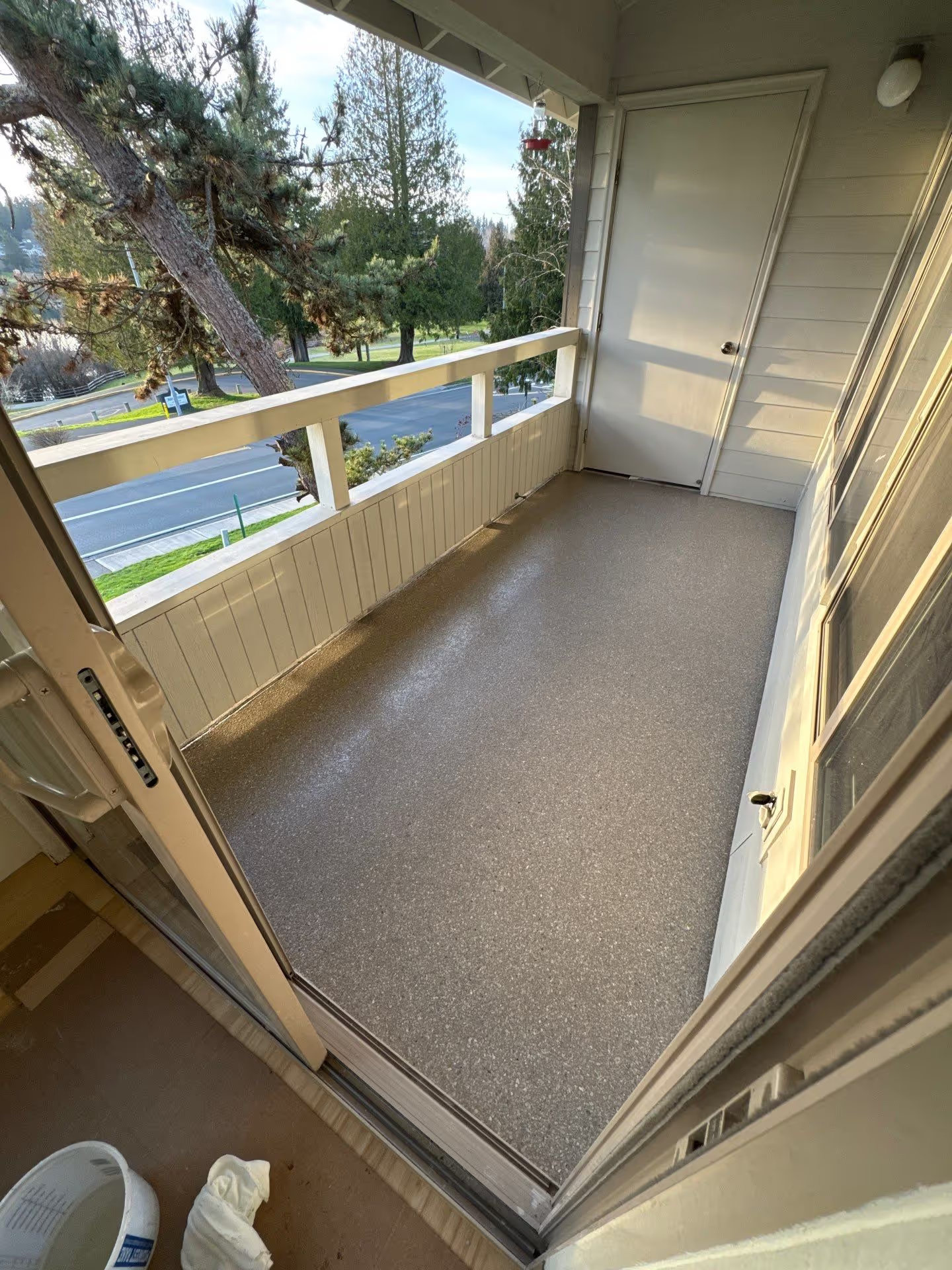
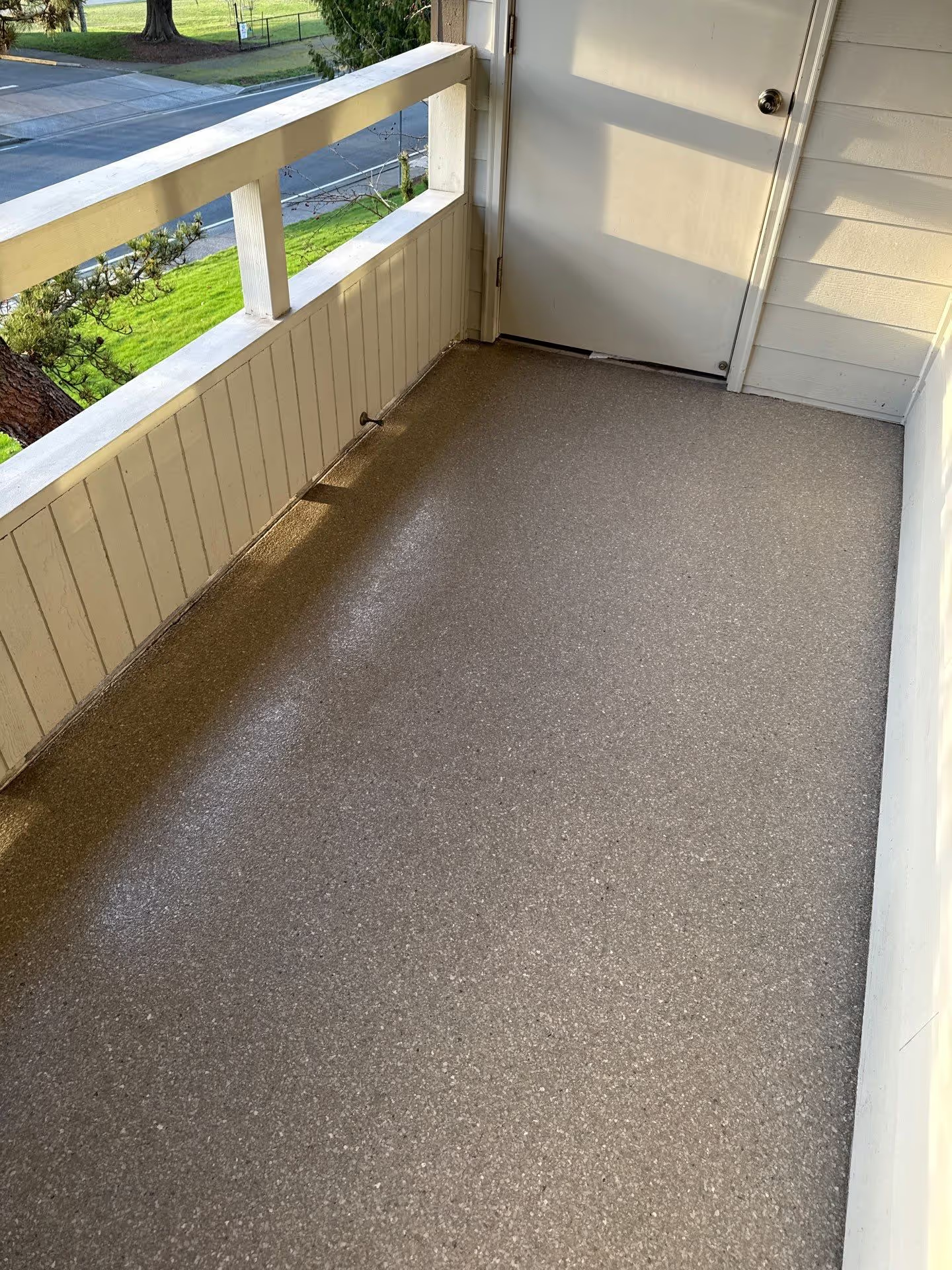
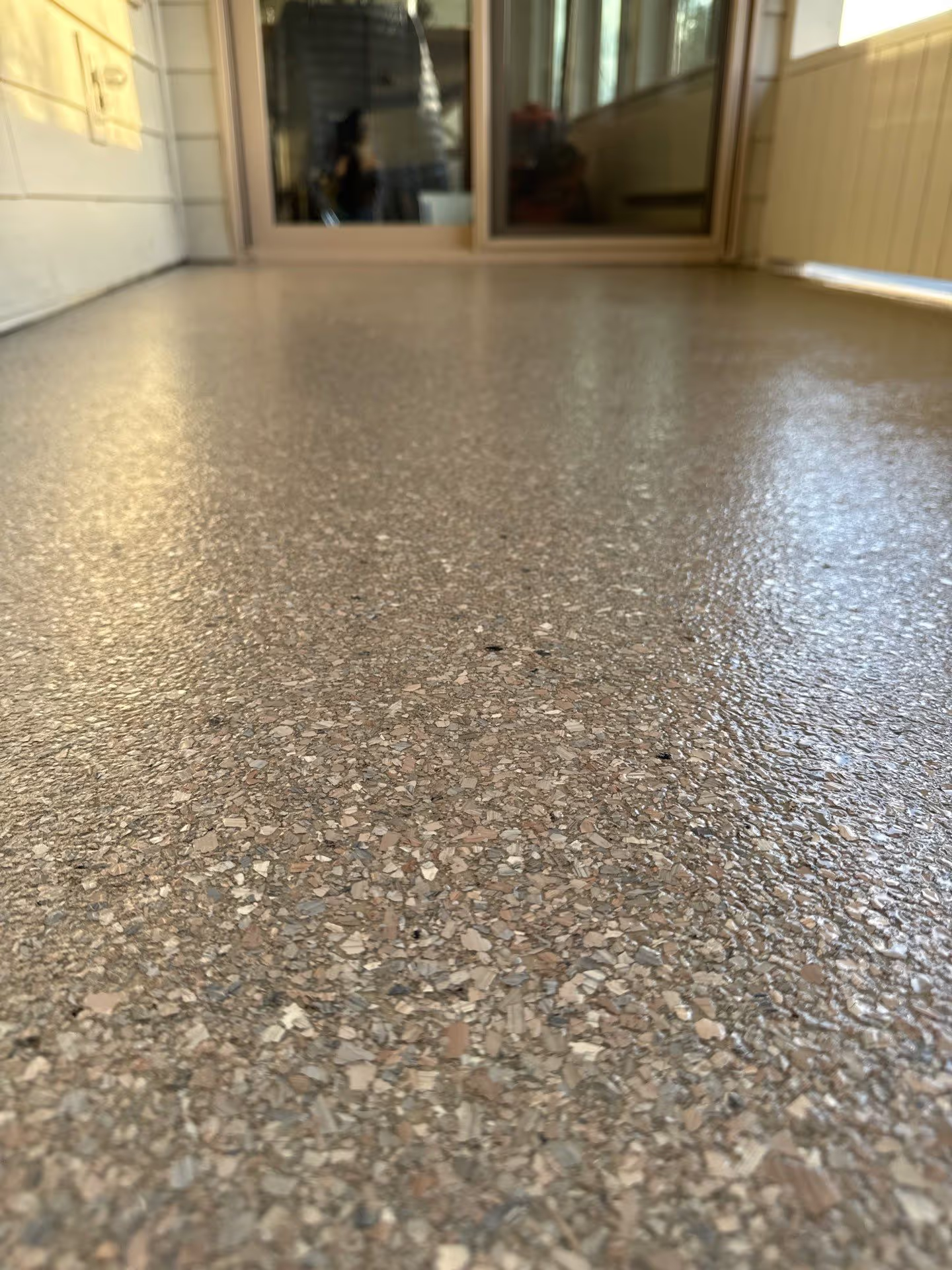
This Mountlake Terrace home coated both their covered walkway entryway and the exterior balcony/porch area with a tan Penntek polyurea system. The color choice works perfectly with the home's aesthetic while providing the practical benefits of a sealed, protected surface. The flake pattern adds texture for slip resistance, which matters significantly on surfaces that get wet.
Bare concrete walkways deteriorate faster than you'd expect in Pacific Northwest conditions. Water penetrates the surface, freeze-thaw cycles cause micro-cracks, salt and chemicals get tracked in, and UV exposure breaks down the surface layer. Over years, the concrete gets progressively more porous and weaker.
Once concrete starts deteriorating, it accelerates. Small cracks become bigger cracks. Surface scaling gets worse. Water intrusion increases. Eventually you're looking at concrete repair or replacement, which costs significantly more than protecting it properly in the first place. A quality coating system essentially stops that deterioration process.
Mountlake Terrace experiences typical Pacific Northwest weather with wet winters, temperature swings, and enough freeze-thaw cycles to challenge concrete surfaces. Walkways and entryways take the brunt of this exposure while also serving as the first impression of a home.
The covered entryway in these photos benefits from protection from direct rain, but it still gets moisture, temperature changes, and foot traffic. The exterior balcony area faces full weather exposure. Both applications need coatings that can handle moisture, won't become slippery when wet, and maintain their appearance despite UV exposure.
The flaked surface texture on this walkway serves a practical purpose beyond aesthetics. When concrete or smooth coatings get wet, they become dangerously slippery. That's a problem for any walkway, but especially for entryways and stairs where slips can cause serious injuries.
The Penntek polyurea system with flake broadcast creates natural slip resistance. The flakes provide texture that maintains grip even when wet. The sealed polyurea surface also drains water better than porous concrete, so puddles don't form as easily. These factors combine to create a significantly safer walking surface.
Standard epoxy coatings fail quickly on exterior walkways. The UV exposure causes yellowing and surface breakdown. Temperature swings cause cracking in rigid coatings. Moisture can cause blistering when it gets trapped under the coating. Most epoxy-coated walkways start showing problems within 2-3 years of installation.
Polyurea handles exterior conditions that destroy epoxy. The UV stability prevents yellowing and surface degradation. The flexibility allows it to move with concrete during temperature changes without cracking. The chemical bond prevents moisture from getting between the coating and concrete. These properties make polyurea suitable for applications that would destroy lesser coating systems.
The installation process for walkways requires additional attention to drainage and edges. The concrete gets properly prepped with diamond grinding and cleaning. Any cracks or damage get repaired. The surface profile has to be correct for the coating to bond properly.
Edge details matter significantly on walkways. The coating needs to properly terminate at thresholds, walls, and transitions to other surfaces. Poor edge work leads to premature failure at these high-stress areas. The photos show clean edge work and proper coverage up to walls and doorways.
The tan color choice for this project creates a warm, neutral appearance that complements the home's exterior. Lighter colors also help with heat reflection on exterior surfaces, keeping the walkway cooler in summer than darker colors would.
One of the practical benefits of coated walkways is ease of maintenance. The sealed polyurea surface doesn't absorb dirt and stains like bare concrete does. Sweeping and occasional mopping with soap and water keeps the surface looking clean. Leaves, dirt, and debris don't stain the coating the way they stain porous concrete.
The 30-40 year lifespan of properly installed Penntek systems means this walkway won't need attention for decades. No resealing every few years like some concrete treatments require. No recoating when it starts failing in 5-7 years like budget coatings. Just ongoing use with basic cleaning as needed.
Properties in Mountlake Terrace and the surrounding area benefit from protecting concrete surfaces that face Pacific Northwest weather. Whether it's walkways, entryways, patios, or garage floors, the concrete performs better and lasts longer when properly coated.
The investment in quality coatings pays off through avoided concrete repair or replacement, improved safety from slip resistance, easier maintenance, and better appearance. These factors matter particularly for entryways and walkways that affect both curb appeal and daily use.
If you're looking at concrete coating options for walkways, entryways, or other exterior applications in Mountlake Terrace or across the greater Puget Sound region, it's worth understanding what actually works in our climate. The cheapest solution often becomes the most expensive when coatings fail prematurely and require replacement or concrete repair.
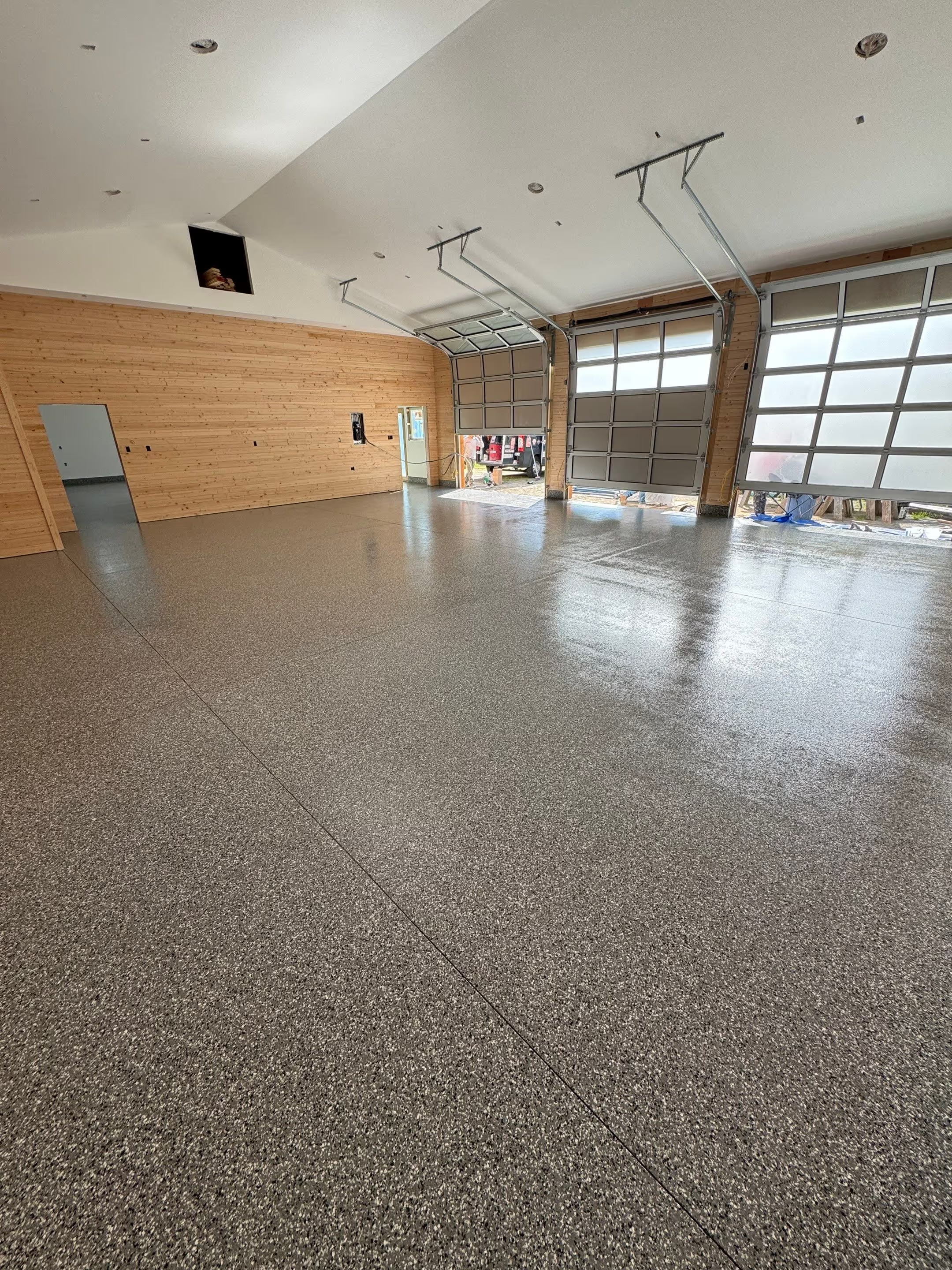
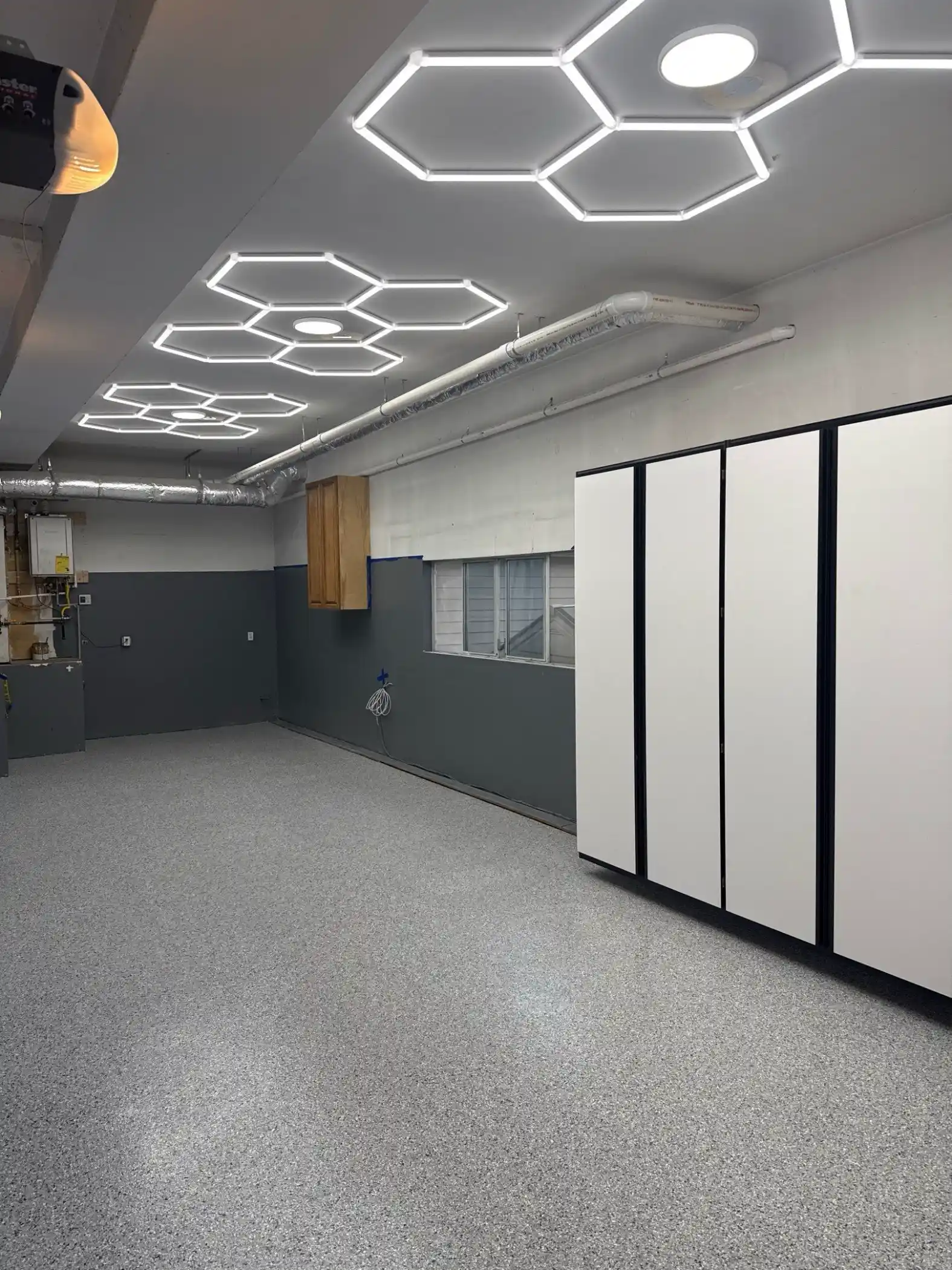
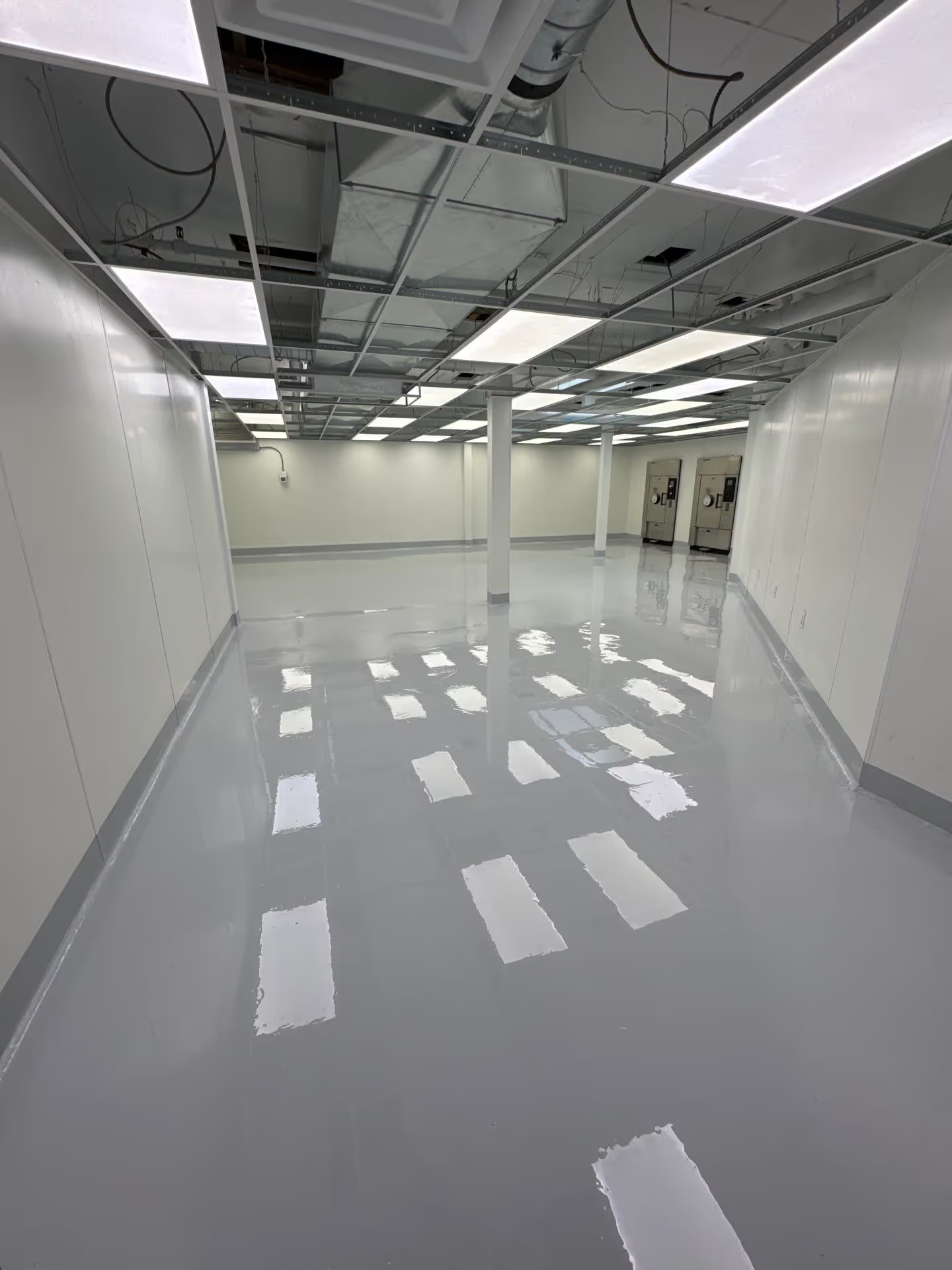
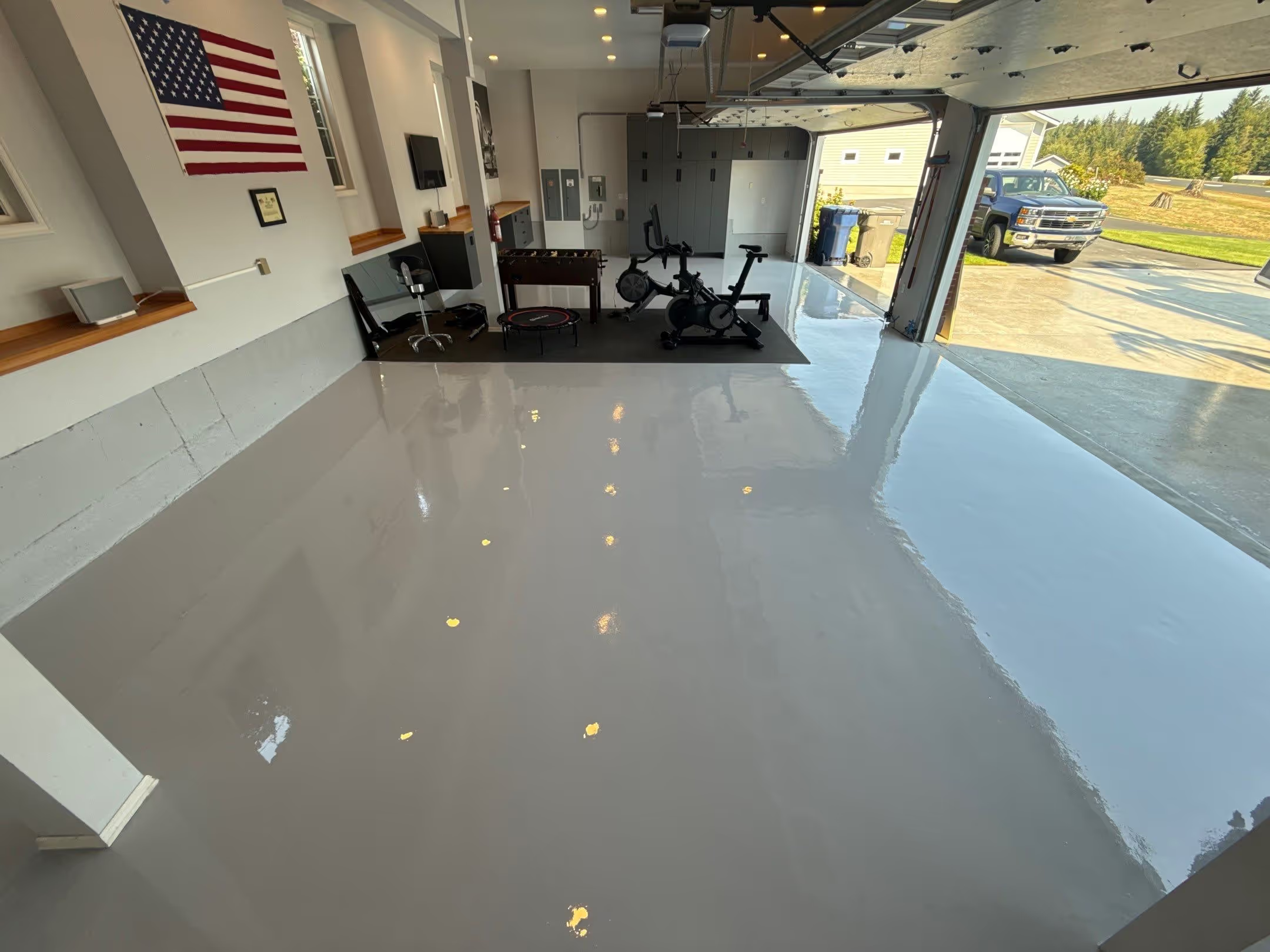
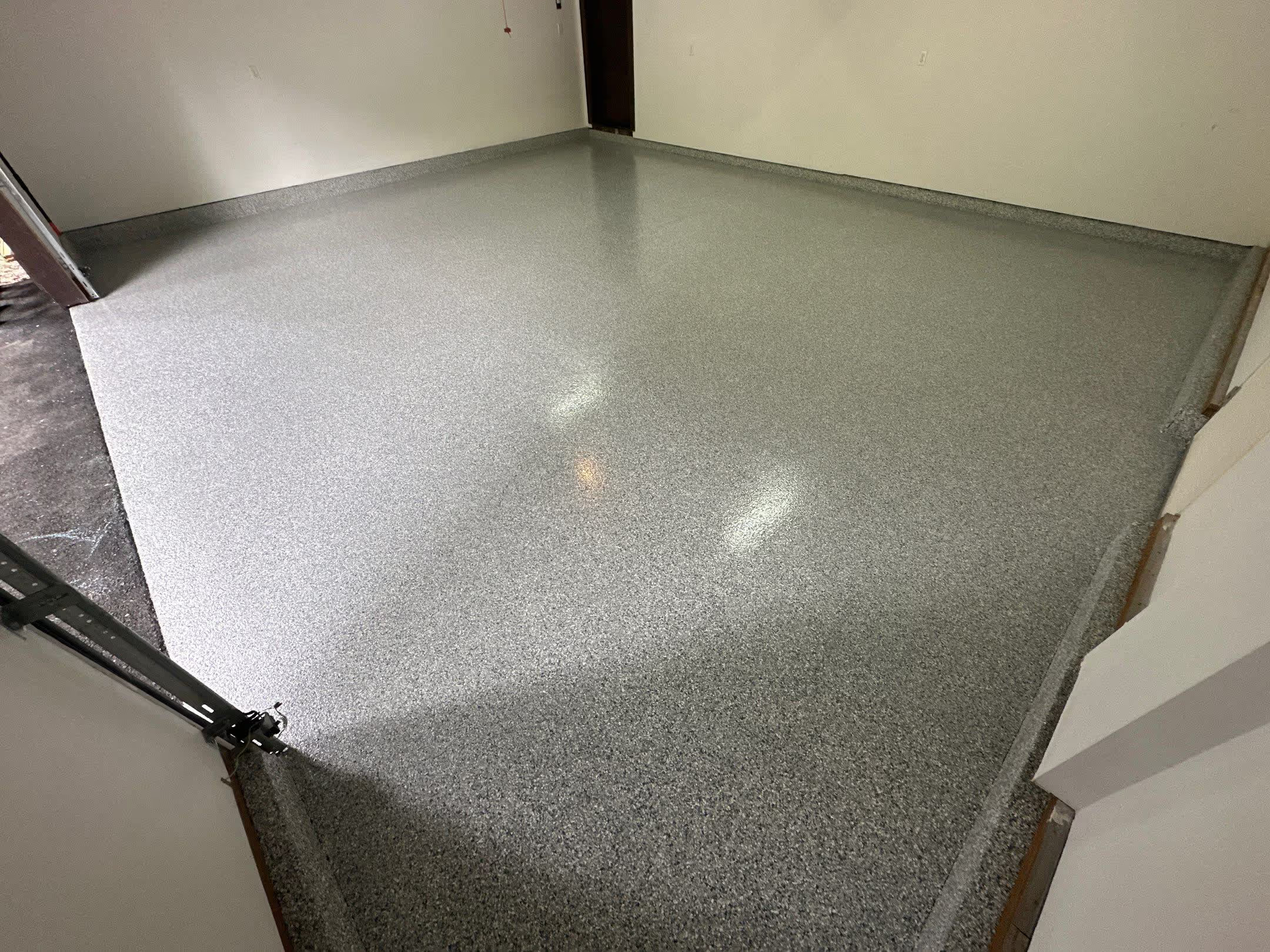
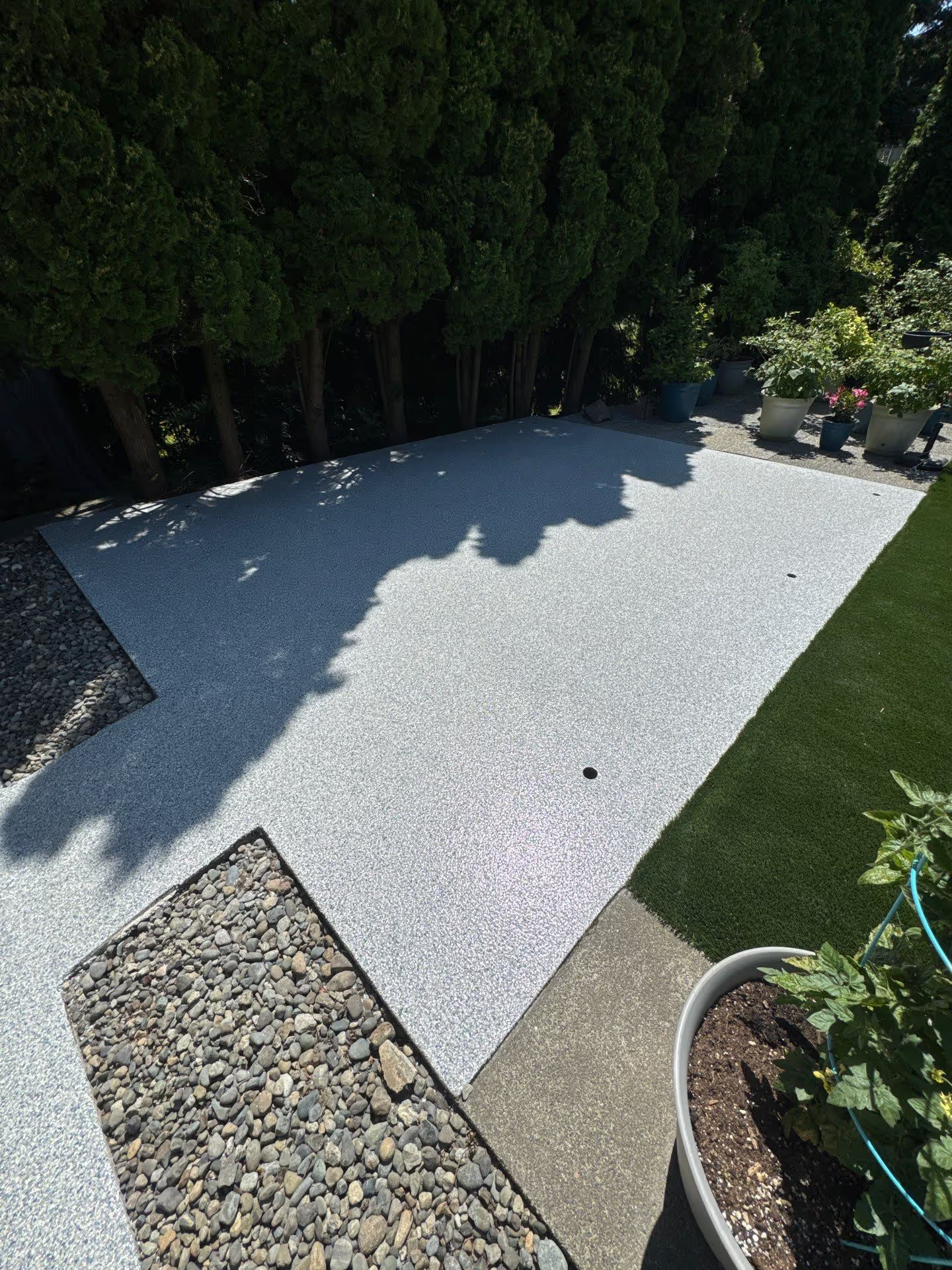
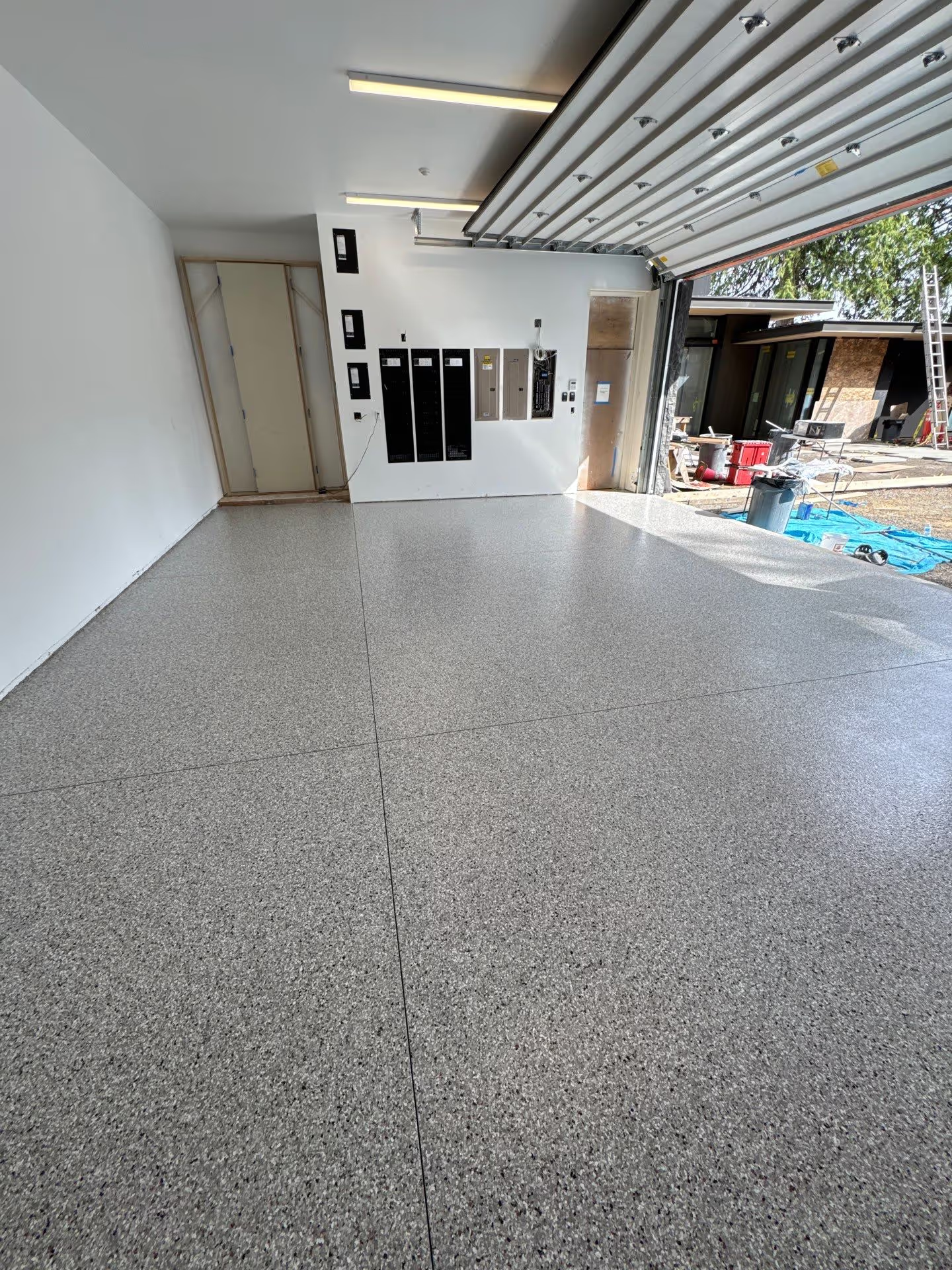
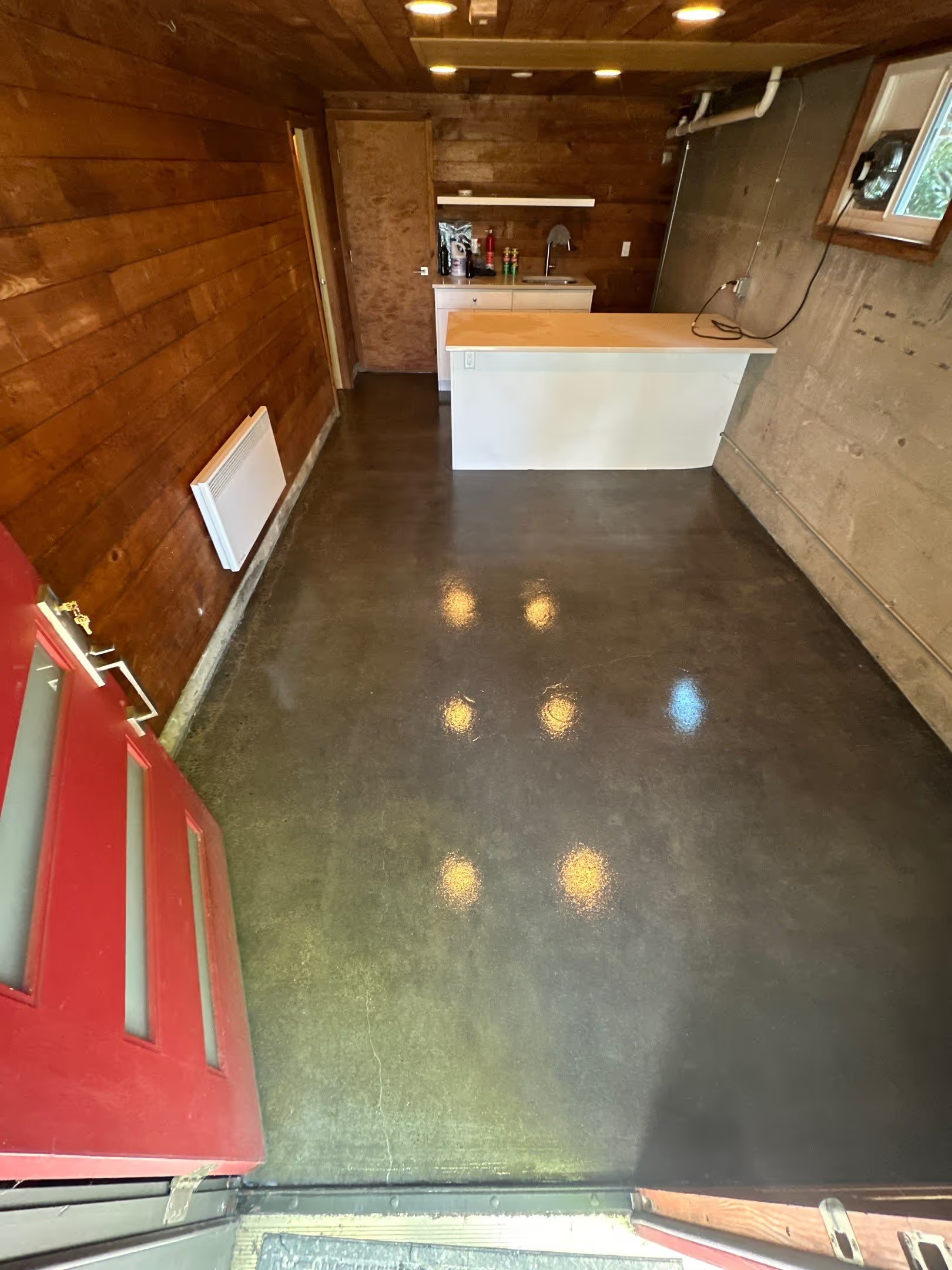
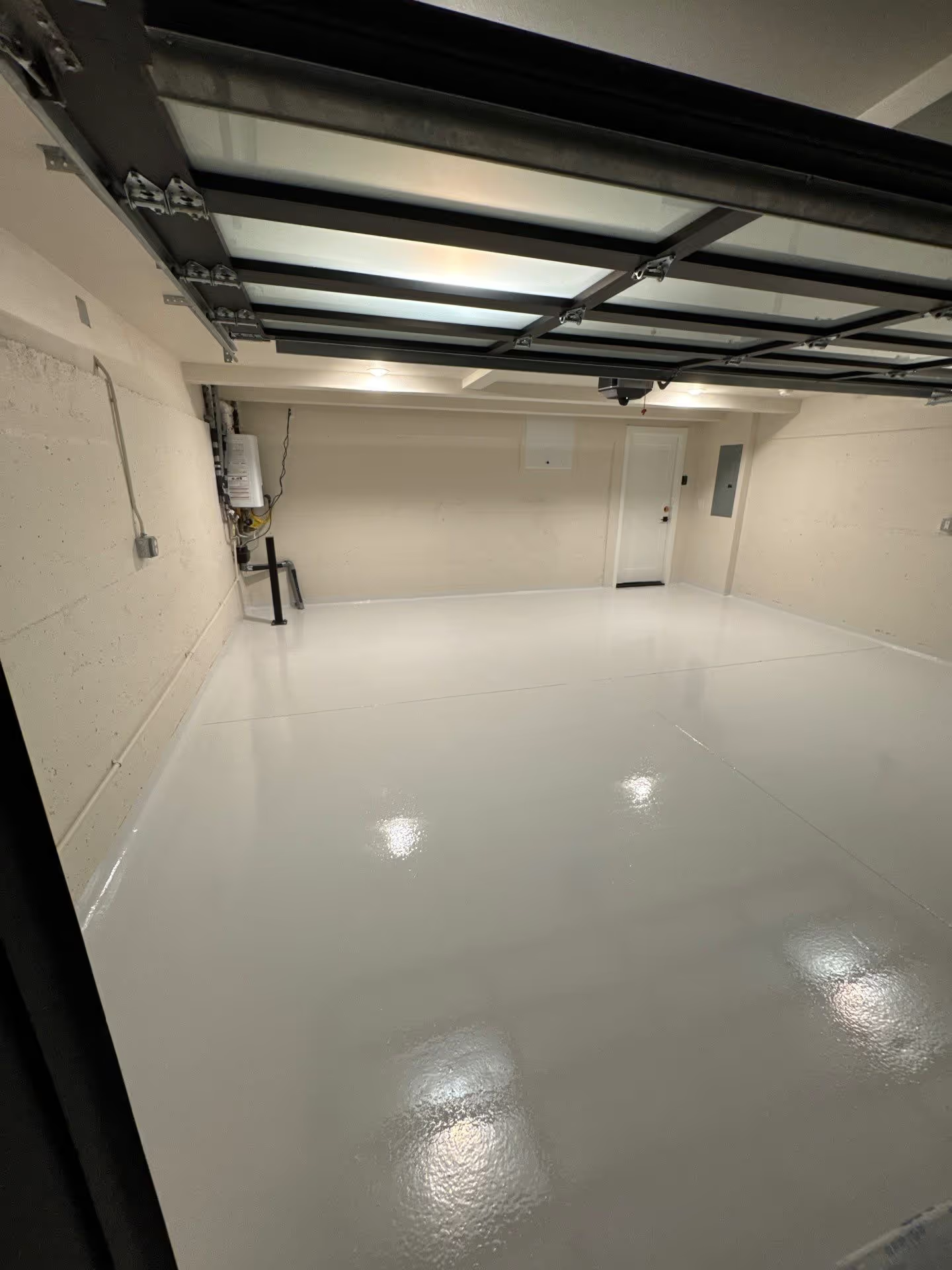
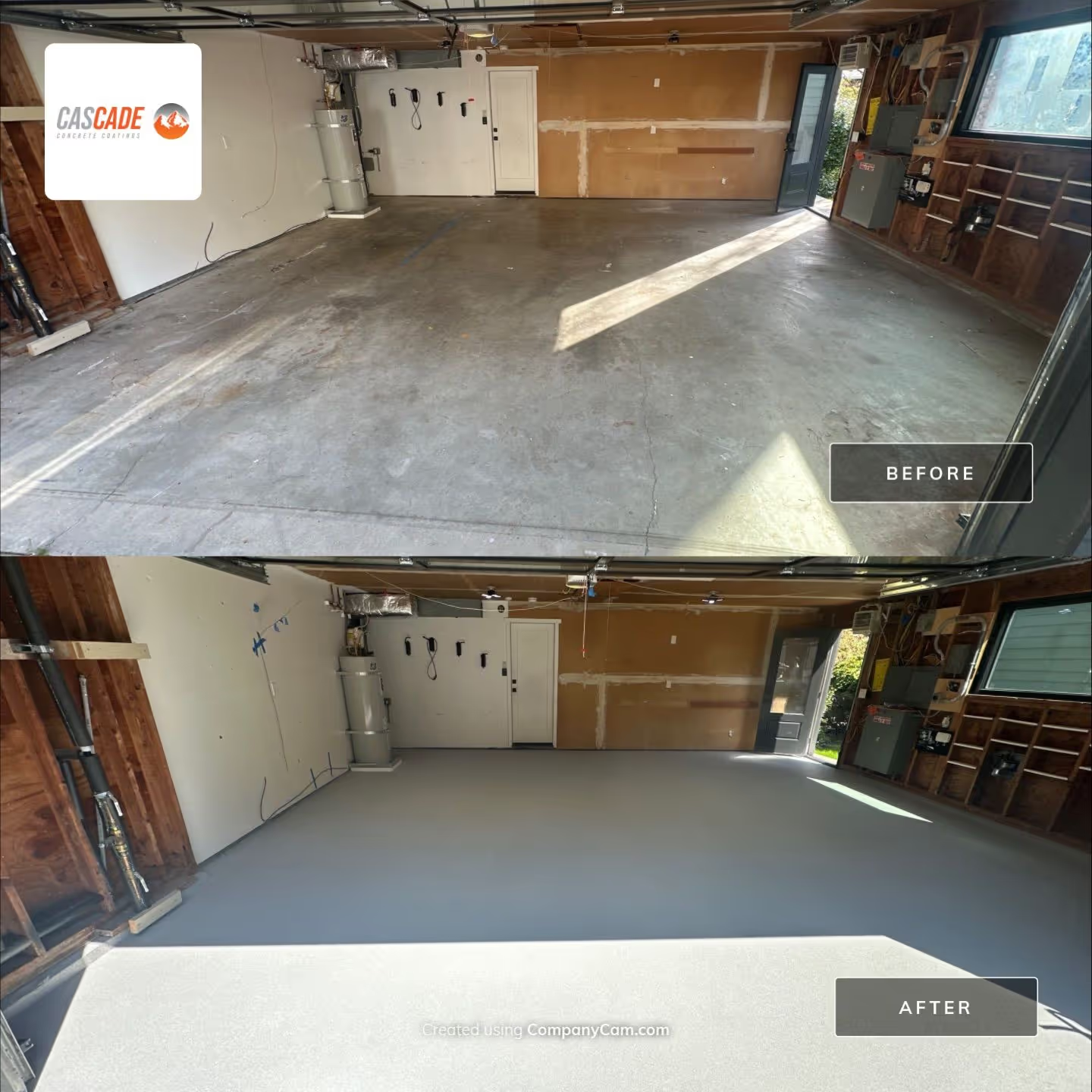
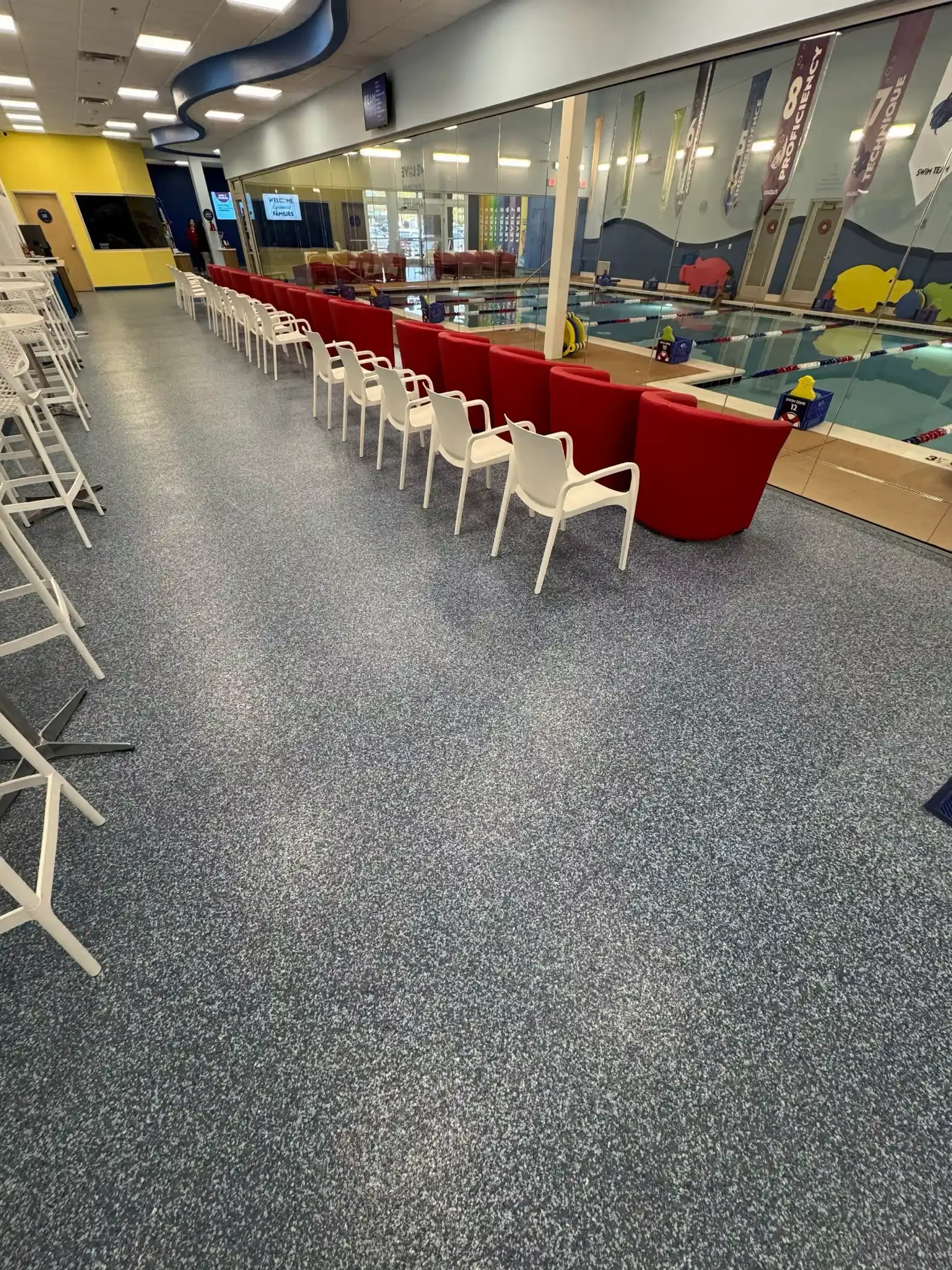
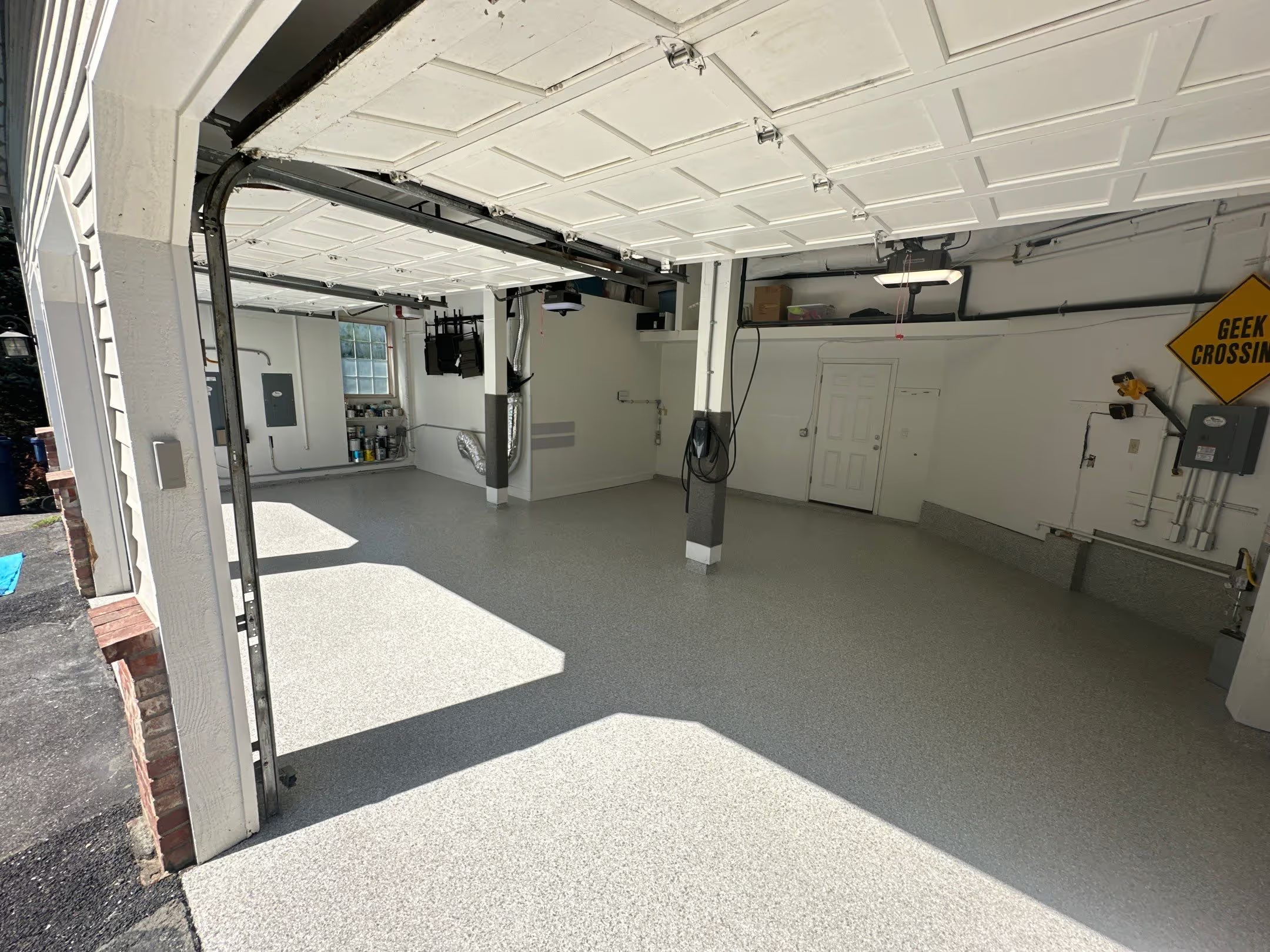
Here's just a few of our previous projects.