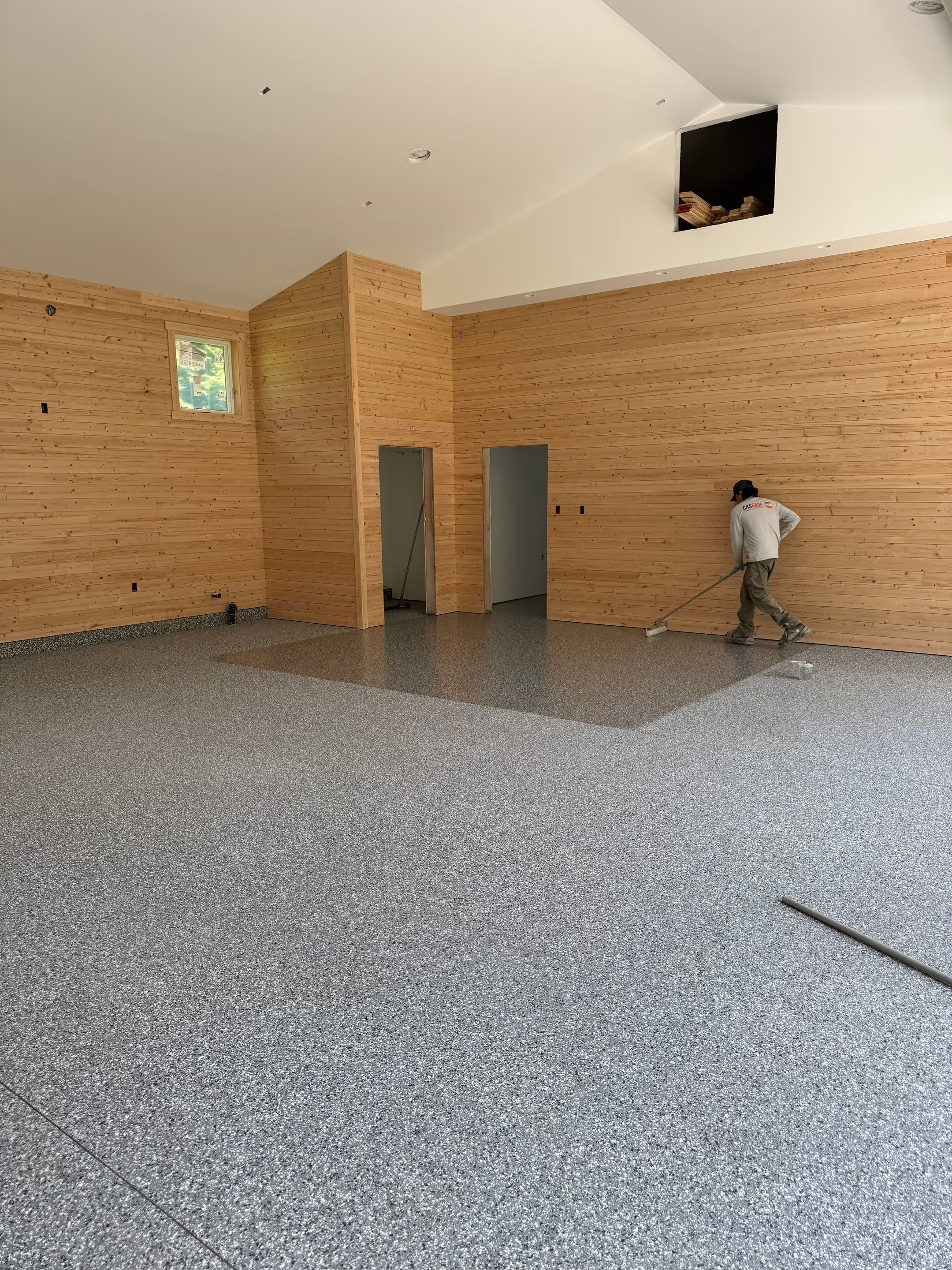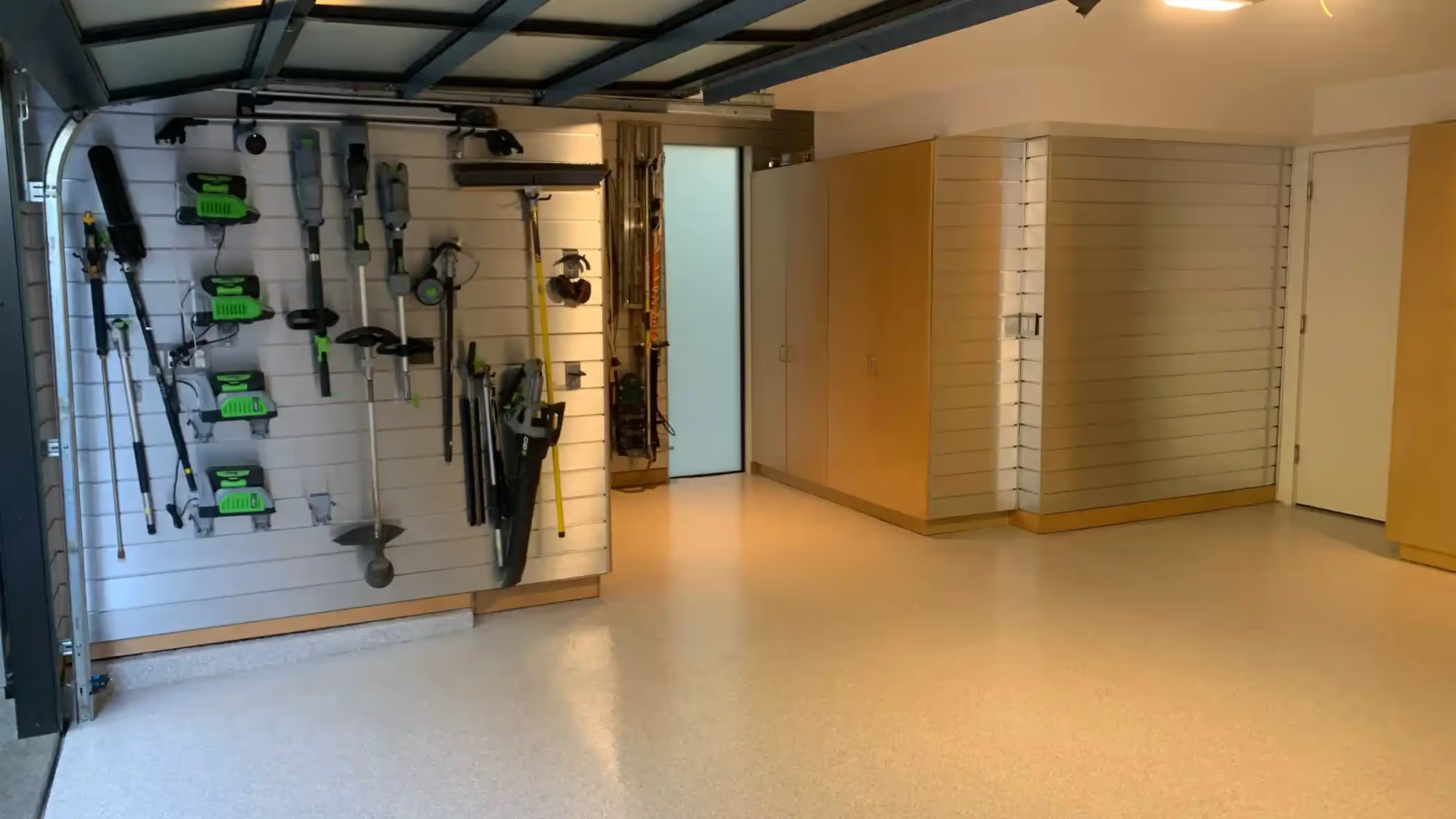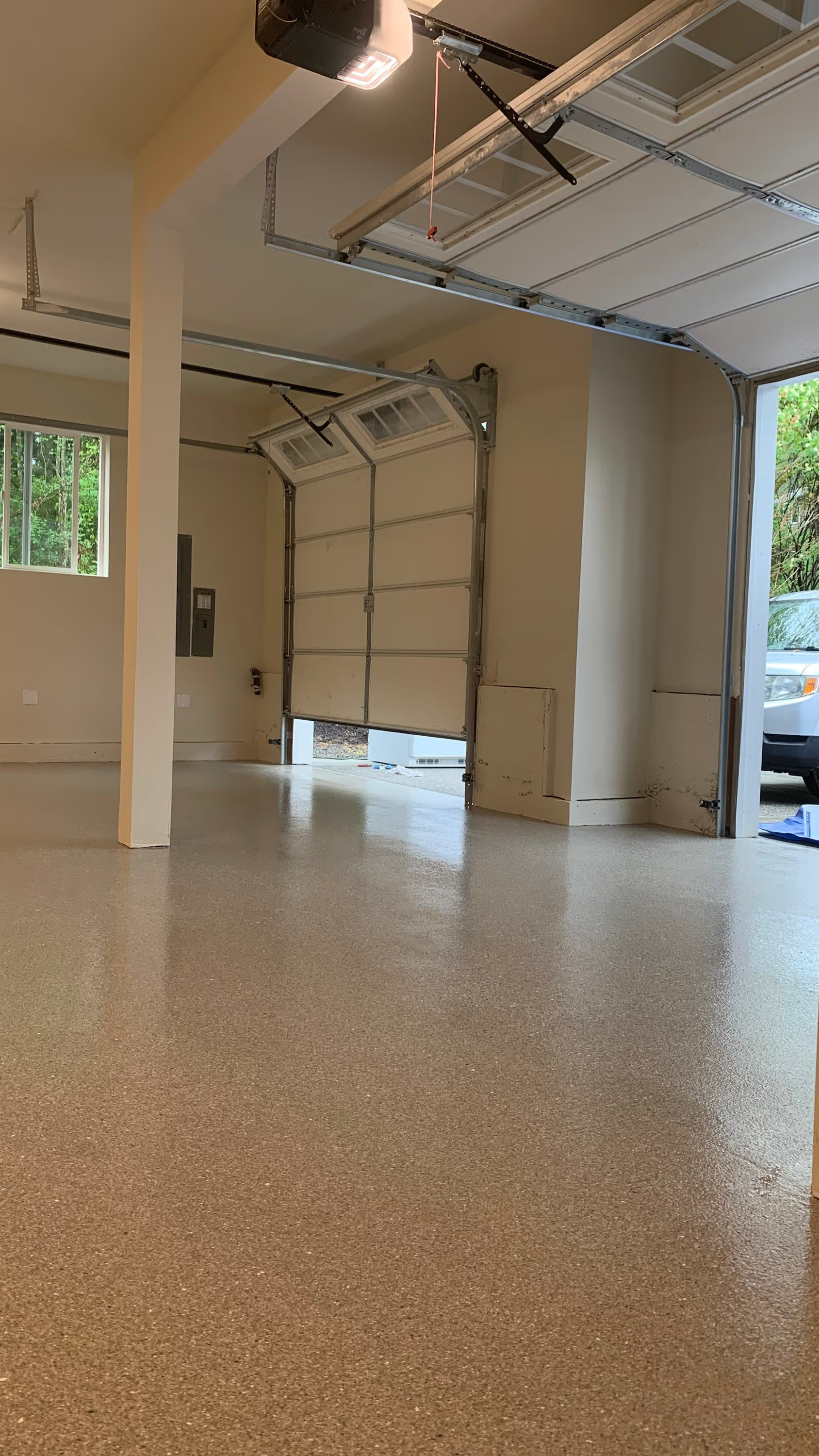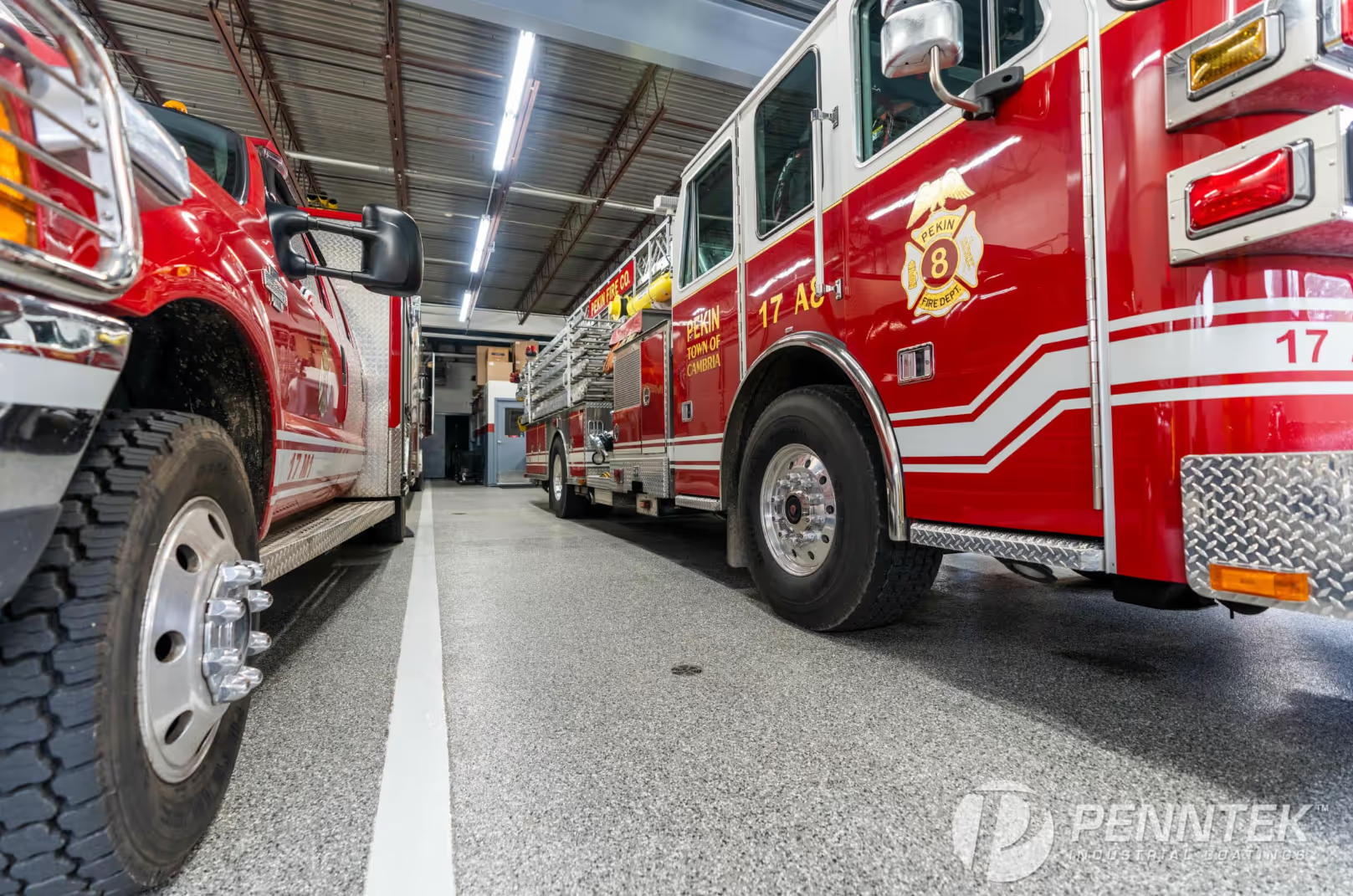
TLDR: Yes. Certified Penntek polyurea can be applied to any interior or exterior concrete surface — garages, basements, patios, walkways, pool decks, driveways, and commercial floors. Each surface type has different preparation requirements, exposure conditions, and system considerations that affect which Penntek formulation is appropriate and what the finished floor's performance looks like. Cascade Concrete Coatings installs all of them throughout the Seattle and Woodinville area.
Garage floors get the most attention in this category, but they're far from the only concrete surface that benefits from a quality coating. A significant portion of the work Cascade Concrete Coatings does in Woodinville and the greater Seattle area involves surfaces other than garages — patios that are slippery in the rain, basements that need a clean, durable floor, and walkways that are cracked and unsightly. Here's how coating works on each surface type and what makes each one different.
Yes, and basement floors are one of the applications where coating quality matters most.
Basements sit at or below grade, which puts them in direct contact with ground moisture. In the Pacific Northwest, that means consistent moisture pressure from multiple directions — through the slab, up the walls, and through any cracks or joint gaps. A coating applied to a basement floor without proper moisture testing and a moisture-appropriate system will fail faster than the same coating on a well-drained garage slab.
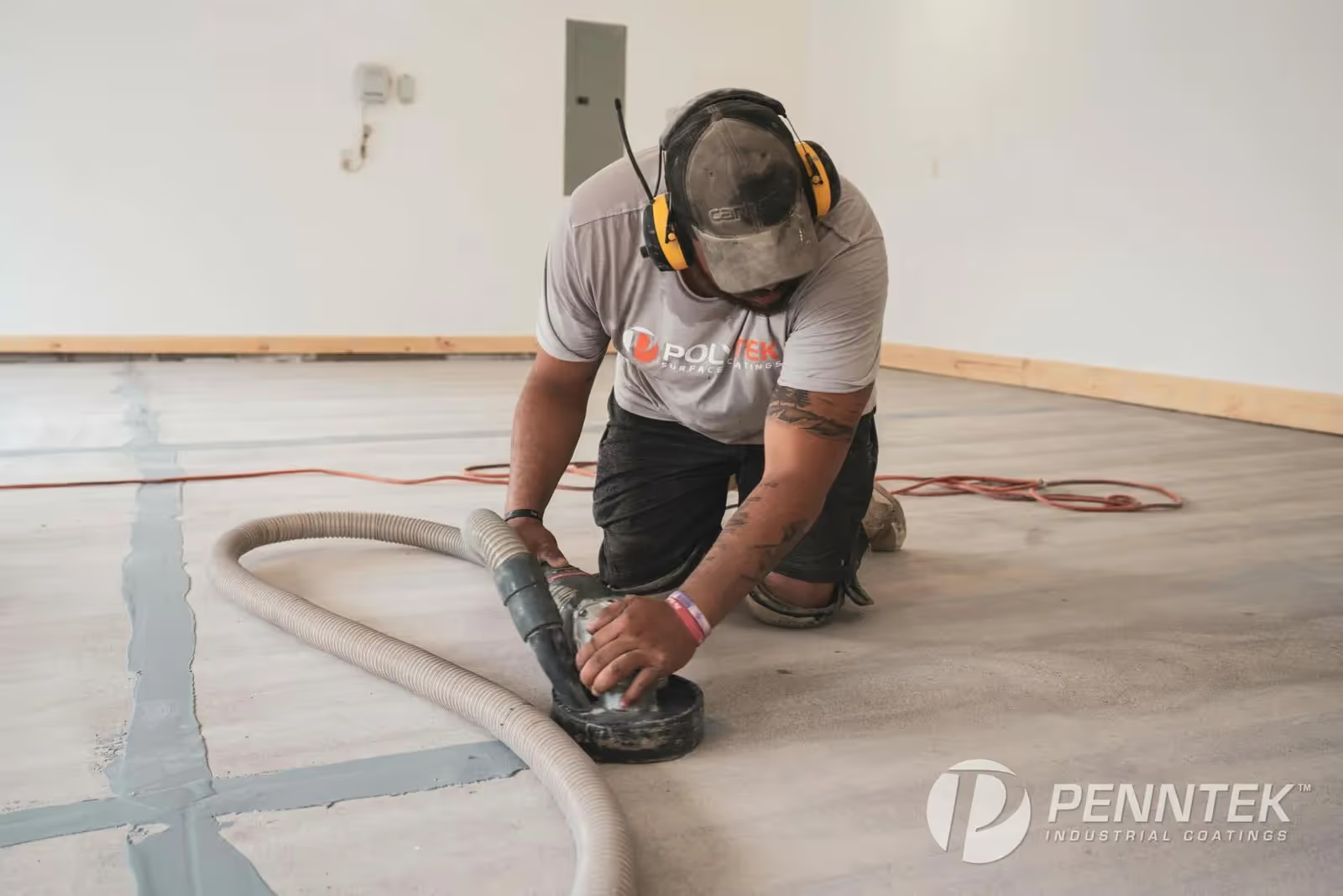
The preparation process for basement floors mirrors what Cascade does for garages: moisture testing first, hardness measurement, crack inspection, and system recommendation based on the specific slab conditions. For high-moisture basement slabs, the preparation approach and base coat selection are adjusted accordingly before a single drop of coating is applied.
Once properly installed, a Penntek polyurea basement floor transforms a space that typically functions as storage and utility. Homeowners in Bothell, Kirkland, and Bellevue describe basement floors becoming usable living space, workshop space, or fitness areas after coating — surfaces they previously avoided because bare concrete was dusty, cold, and uninviting. The non-porous Penntek topcoat also makes basement floors significantly easier to clean, which matters in a space that tends to accumulate sawdust, moisture, and general debris.
Yes, and outdoor patios are one of the most visually dramatic applications.
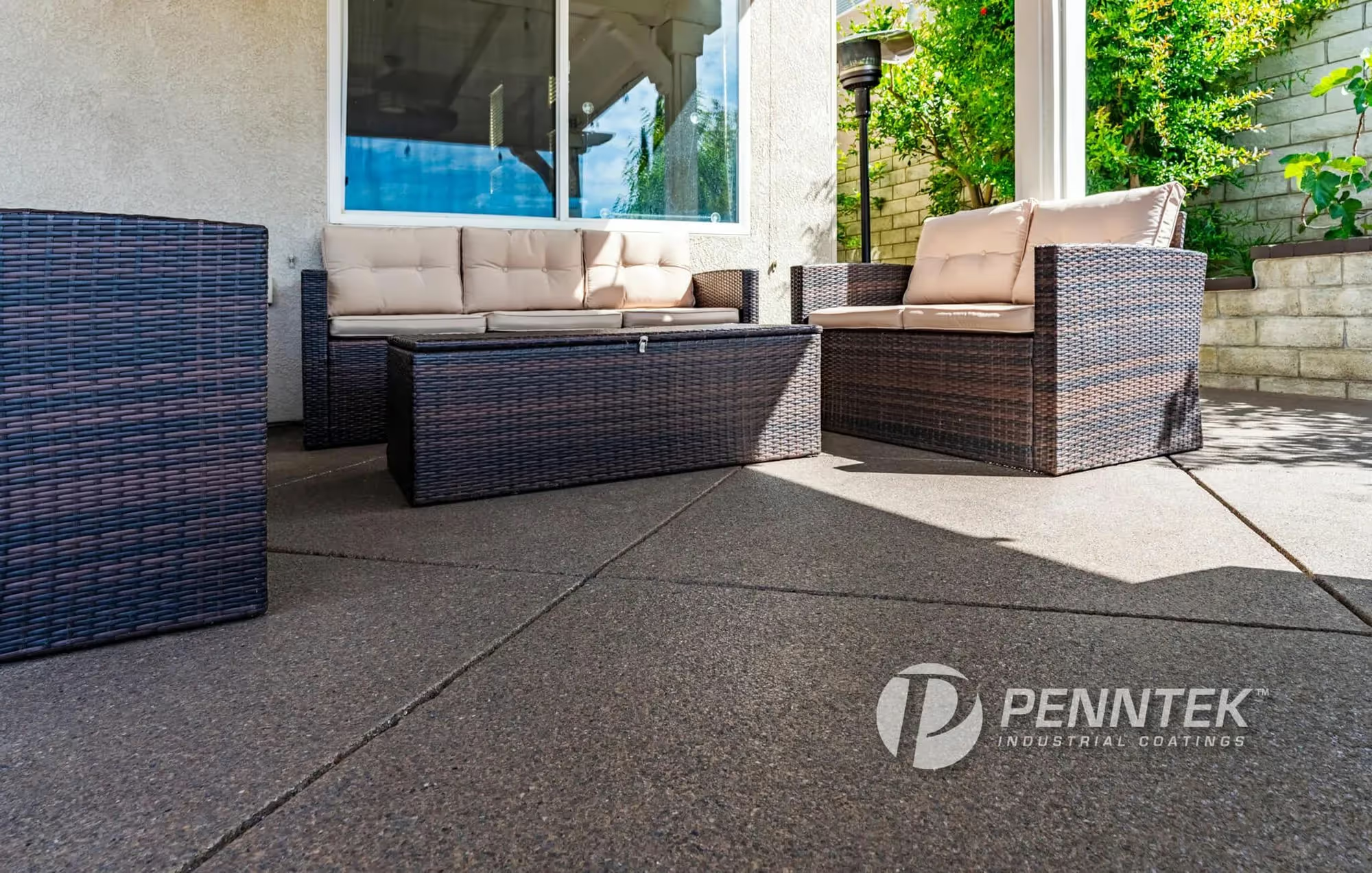
Outdoor patio coatings are subject to UV exposure, rain, freeze-thaw cycles, and foot traffic in ways that differ from interior applications. This is where Penntek's FadeLock UV technology in the topcoat becomes critical — an outdoor surface without serious UV protection will fade, chalk, and lose visual integrity within a few years. Basic epoxy outdoors performs even worse than it does in garages, typically failing within 1 to 3 years.
Non-slip properties are equally important for outdoor applications in Seattle's wet climate. Penntek's flake-broadcast system, when properly scraped and finished, produces a surface texture that provides meaningful traction — significantly better than bare concrete, which becomes slippery when wet, and far better than smooth epoxy, which can be dangerously slick. For patios that get regular rain exposure from October through June, this isn't a minor consideration.
The preparation process for patios accounts for the outdoor environment: drainage assessment, expansion joint inspection, and edge treatment to prevent water intrusion beneath the coating. Our patio coating portfolio includes projects throughout the Seattle area that show what finished outdoor surfaces look like in Pacific Northwest conditions. You can also see specific patio projects like our Stanwood covered patio installation to understand the aesthetic range available.
Yes. Walkways, entryways, and front door approaches are increasingly popular coating applications in the Seattle market.
Entryway and walkway coatings address two problems at once: aesthetics and safety. Bare concrete walkways in Seattle's climate develop moss, mildew, and algae over time — surfaces that look deteriorated and become genuinely hazardous when wet. A properly prepared and coated walkway eliminates the organic growth substrate (the non-porous surface doesn't support moss the way rough concrete does) and provides the traction characteristics of a well-finished polyurea surface.
Color and design options for walkways allow homeowners to create visual continuity between indoor and outdoor surfaces, or to use color and pattern to define pathways and entry areas as intentional design elements rather than utilitarian concrete. Our walkway project portfolio shows the range of what's possible, and our Seattle walkway transformation is a useful reference for a typical residential application.
Yes, though driveways require specific preparation and system considerations.
Driveways are among the highest-stress concrete applications: heavy vehicle weight, oil and chemical exposure from vehicle leaks, constant UV exposure, and the full range of Pacific Northwest temperature and moisture cycling. A driveway coating needs to handle all of this while maintaining appearance and traction over years of daily use.
The preparation for driveways is typically more involved than for garages because driveways accumulate years of oil contamination that must be fully removed before coating will adhere. Oil-saturated concrete won't bond to polyurea regardless of how good the grinding equipment is — the contamination has to be removed at the substrate level, not just at the surface. This is why in-home inspection is particularly important for driveway projects, and why driveway quotes based on photos or phone calls are unreliable.
Properly prepared and coated driveways in the Seattle area consistently deliver 15 to 30 years of performance with Penntek polyurea. Our free consultation for driveway projects includes the same moisture and contamination assessment we perform for garages. Contact us to discuss your specific driveway and we'll give you an honest assessment of what preparation will be required.
Yes. Commercial concrete floor coating is a significant part of Cascade's work across the Seattle and Woodinville area.
Commercial applications — auto shops, medical facilities, retail spaces, warehouses, gyms, and institutional buildings — require coatings that handle higher traffic, more aggressive chemical exposure, and more demanding aesthetics than typical residential projects. Penntek's system scales to these requirements with specific formulations appropriate to commercial use.
The practical advantages in commercial settings mirror what they are in residential: easier cleaning and maintenance, durability under heavy traffic and equipment weight, non-slip surface for employee and customer safety, and aesthetics that reflect a professional facility. Our commercial project portfolio includes work at auto service facilities, a healthcare clinic, and commercial buildings across Everett, Seattle, and other markets we serve.
Commercial projects include a formal site assessment to determine traffic loads, chemical exposure requirements, and any industry-specific performance requirements before a system recommendation is made.
Whether it's a garage in Woodinville, a patio in Sammamish, a basement in Kirkland, a walkway in Redmond, or a commercial floor in Everett, the underlying approach is the same: test the concrete first, prepare the substrate correctly, match the system to the surface conditions, and install a product formulated and backed by the manufacturer.
The aesthetic and performance transformation is consistent across applications. Concrete that was dusty, cracked, stained, slippery, or just plain unattractive becomes a clean, durable, visually intentional surface that functions better and looks better for decades.
We serve Woodinville, Kirkland, Bothell, Redmond, Bellevue, Sammamish, Edmonds, Everett, Seattle, and surrounding communities. Request a free in-home consultation for any concrete surface you're considering coating — no pressure, no obligation, same-day response.
It depends on the sealer type and condition. Penetrating sealers can sometimes be coated over after mechanical grinding. Film-forming sealers typically need to be fully removed before a polyurea system will adhere properly. Our in-home consultation includes an assessment of any previous treatments and a recommendation on whether the surface is a good candidate for coating without full sealer removal.
The base chemistry is the same — certified Penntek polyurea base coat with polyaspartic topcoat — but specific formulation selections, preparation protocols, and flake/finish options may vary based on the surface type, exposure conditions, and intended use. Outdoor surfaces require different UV considerations than interior surfaces. High-moisture basements require different prep than dry garage slabs. Learn more about our system.
The non-porous polyaspartic topcoat sheds water rather than absorbing it — which means no moss, no organic growth, and no water seepage into the coating layers. The flake texture of the finished surface provides meaningful traction when wet, which bare or smooth-sealed concrete does not. Homeowners consistently report that their coated patios and walkways are safer and more usable in fall and winter than they were before coating.
Yes. Expansion joints are filled and treated during the preparation phase using appropriate flexible filler. The joints are addressed specifically to prevent coating failure along the joint line, where thermal movement is concentrated. Ask about our expansion joint treatment process during your consultation.
The primary factors are moisture content and surface condition. Some basement slabs have moisture levels too high for any coating to adhere long-term without significant mitigation. Others are well-suited for standard Penntek installation. The only way to know is to test. Our free in-home consultation includes moisture testing for basement projects specifically.